













Now Reading: Mohaymen Abdelghany: Building Healthcare Institutions Where Clinical Excellence Meets Business Leadership
-
01
Mohaymen Abdelghany: Building Healthcare Institutions Where Clinical Excellence Meets Business Leadership
Mohaymen Abdelghany: Building Healthcare Institutions Where Clinical Excellence Meets Business Leadership
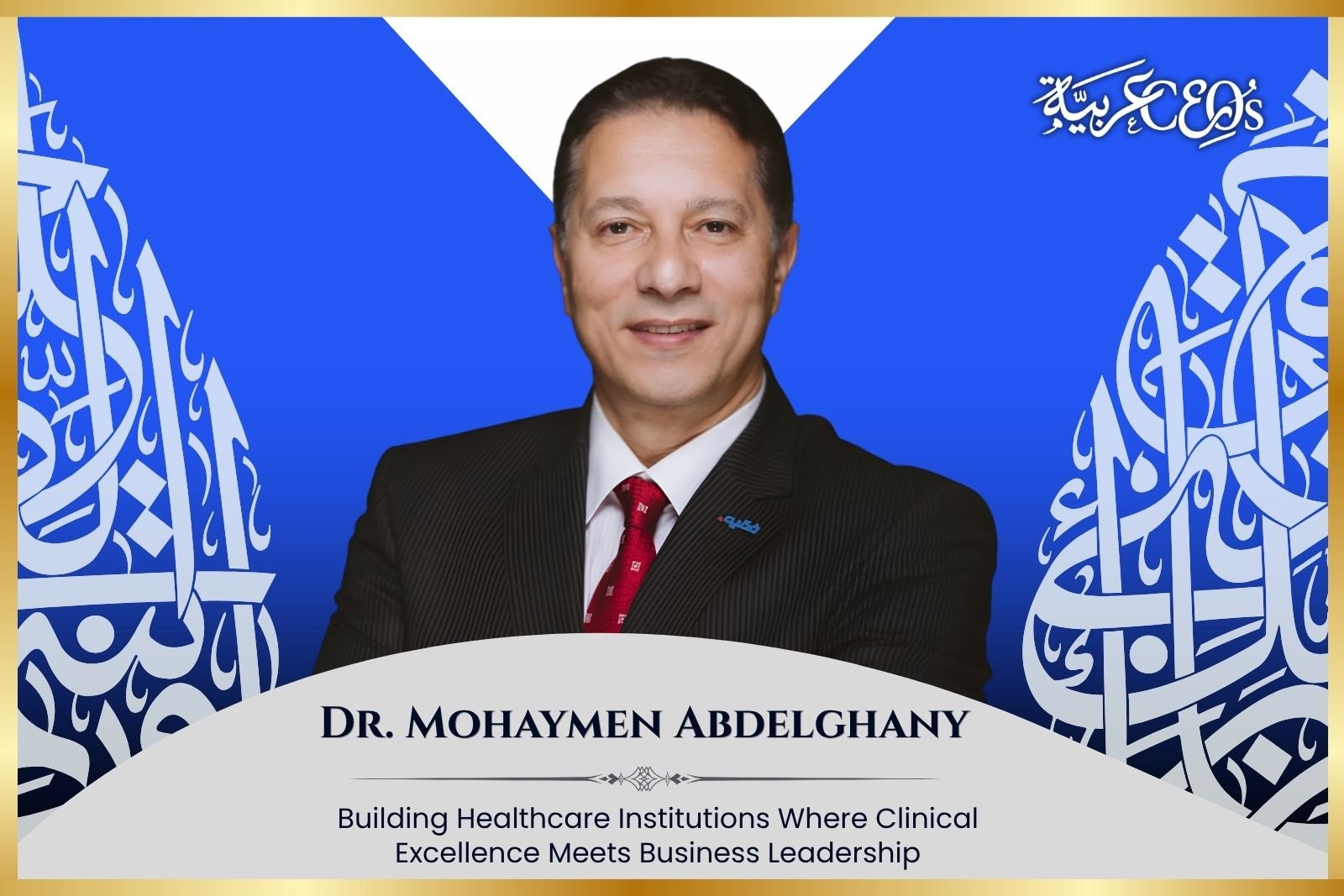
Running a hospital requires decisions that few other businesses encounter. Financial performance matters, but so do patient safety, clinical judgement, workforce capability and the responsibility to deliver reliable care when circumstances become difficult.
For Mohaymen Abdelghany, this balance has defined more than 25 years of healthcare leadership across the Middle East.
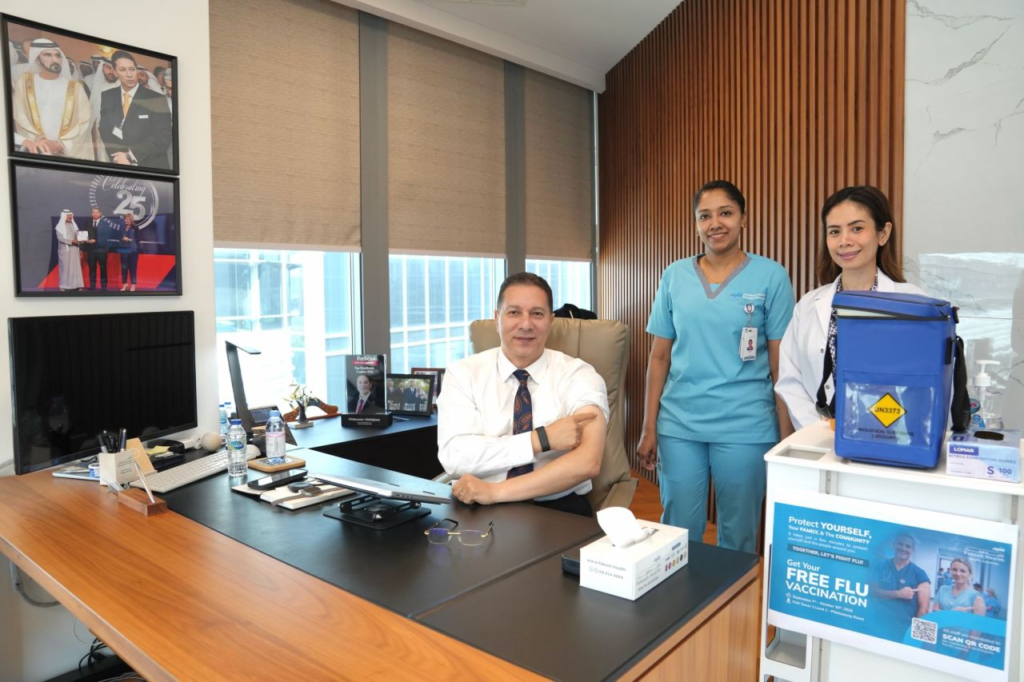
Today, as Group CEO and Executive Board Member of Fakeeh Health UAE, alongside his position as CEO of Fakeeh University Hospital in Dubai, Abdelghany leads an expanding healthcare network built around clinical excellence, digital innovation and institutional performance.
His career is distinguished by an ability to approach healthcare from two perspectives: that of a practising physician and that of an executive responsible for building and managing complex medical institutions.
From Clinical Medicine to Executive Leadership
Abdelghany began his professional journey in anaesthesia and intensive care, disciplines where decisions carry immediate consequences and patient safety remains paramount.
His clinical background established an approach to leadership grounded in preparation, accountability and evidence-based decision-making.
As his responsibilities expanded into hospital management, he developed expertise in healthcare operations, quality assurance, strategic planning and institutional development.
Early leadership assignments included Red Sea Hospital in Egypt, where he contributed to the facility’s development and commissioning before serving as General Manager and Head of Anaesthesia. Under his management, the hospital achieved ISO 9001:2000 certification in 2006.
His transition from clinical practice to executive management would become a defining feature of his career.
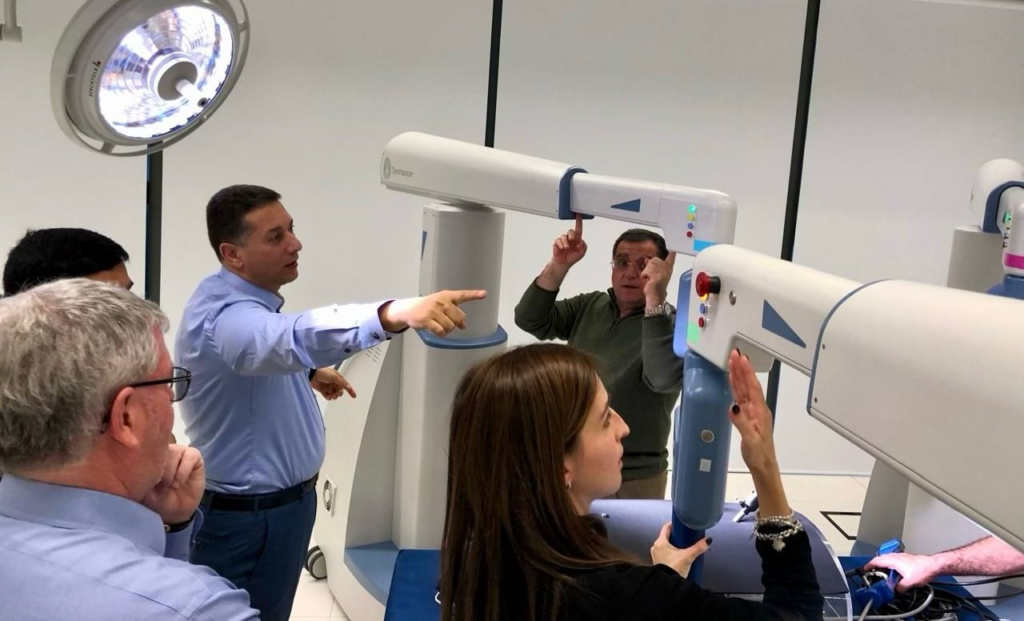
Effective healthcare leadership requires financial discipline without losing sight of the clinical responsibilities that define the institution.
Building and Transforming Hospitals Across the Region
Abdelghany’s executive experience includes several major hospital development and transformation assignments.
Within Saudi German Hospitals Group, he served as CEO of Saudi German Hospital Aseer, overseeing a 400-bed facility with approximately 950 employees.
During his tenure, operating revenue increased from SAR 100 million to SAR 145 million, while the hospital achieved its first Joint Commission International accreditation.
He also held group-level responsibility for quality and patient safety, contributing to JCI accreditation across five operating hospitals.
His subsequent leadership of Saudi German Hospital Dubai involved commissioning a major hospital from its construction phase through operational opening. The first phase, comprising 315 beds, was inaugurated in March 2012.
These assignments established a record of combining hospital development with operational systems, workforce planning and clinical governance.
Turning Operational Challenges Into Sustainable Performance
One of Abdelghany’s most significant executive assignments came in 2014 when he became CEO of Al Zahra Hospital Dubai.
The newly opened hospital represented an investment of approximately AED 1 billion and faced the challenge of establishing sustainable operations.
Under his leadership, the institution reached cash breakeven within nine months and profit-and-loss breakeven by the end of 2016.
He subsequently led a period of expansion, developing clinical services across critical care, oncology, orthopaedics, gastroenterology and women’s health.
His responsibilities also included establishing international clinical partnerships, strengthening quality standards and introducing digital healthcare capabilities.
During the COVID-19 pandemic, he oversaw the hospital’s response, including the establishment of a dedicated 60-bed unit.
The experience demonstrated an important dimension of his leadership: the ability to improve financial performance while maintaining attention to clinical capability, operational resilience and patient safety.
A hospital turnaround succeeds when financial recovery is accompanied by stronger clinical systems and lasting institutional capability.
Strengthening Specialised Healthcare
Abdelghany subsequently served as CEO of Danat Al Emarat Hospital for Women & Children in Abu Dhabi, where he led expansion and organisational integration within Mubadala Health.
During his tenure, the hospital commissioned a new South Tower, adding 65 beds, 15 labour-delivery-recovery rooms and 45 outpatient clinics, alongside additional surgical capabilities.
He also led the institution’s financial, clinical and administrative integration into the wider Mubadala Health network.
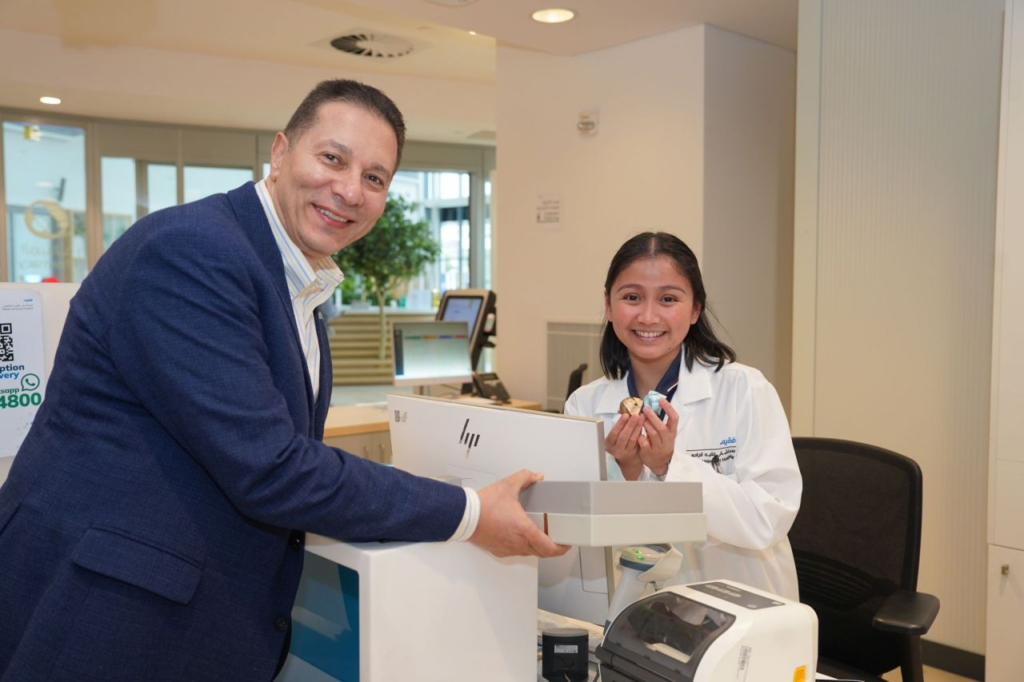
According to his professional record, the hospital achieved 21% EBITDA growth during his leadership.
His experience at Danat Al Emarat demonstrated how specialised healthcare institutions can strengthen their services while navigating expansion, governance and organisational change.
Leading Fakeeh Health UAE Into Its Next Phase
In June 2023, Abdelghany became CEO of Fakeeh University Hospital and Vice President of Fakeeh Care UAE.
The 350-bed academic hospital in Dubai Silicon Oasis combines tertiary and specialist healthcare with education, research and advanced medical technology.
Under his leadership, the hospital achieved HIMSS EMRAM Stage 7, becoming the first hospital in Dubai and the second in the UAE to reach this level of digital maturity.
The institution has also received recognition among Newsweek’s World’s Best Smart Hospitals 2026, while strengthening its academic and clinical capabilities.
In May 2025, Abdelghany expanded his responsibilities as Group CEO and Executive Board Member of Fakeeh Health UAE.
His current mandate extends beyond a single hospital towards developing an integrated healthcare network.
The group’s model connects Fakeeh University Hospital with community-based medical facilities, smart clinics and specialised services across Dubai.
Among its initiatives are the Fakeeh Smart Clinic at Dubai Airport Free Zone, combining on-site family medicine with remote specialist consultations, and the development of Fakeeh DaySurge, a dedicated facility for minimally invasive and same-day procedures.
The strategic objective is to connect different levels of healthcare delivery, allowing patients to move between primary consultations, specialist services and hospital treatment within a coordinated system.
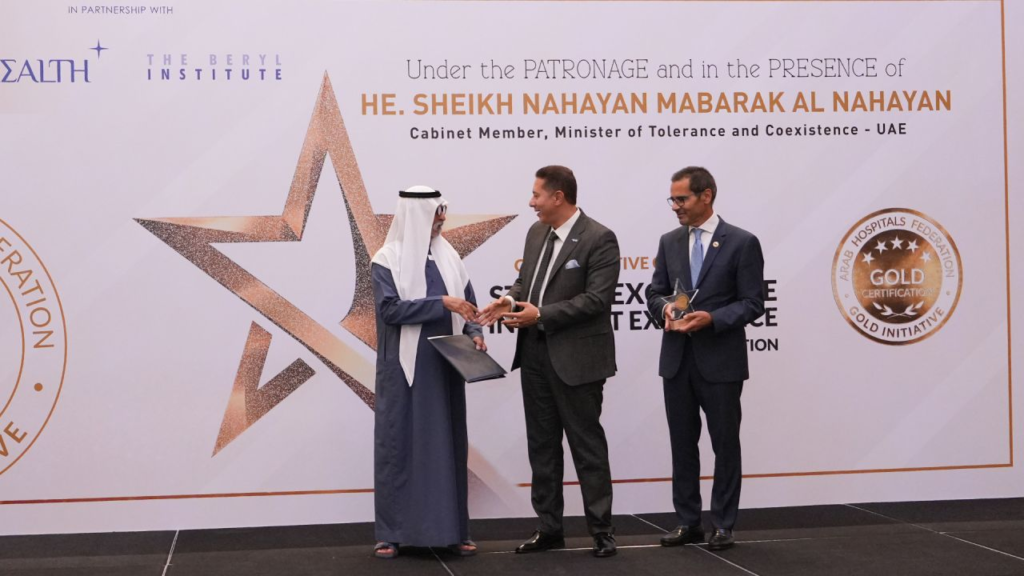
The next stage of healthcare growth is not simply about opening more facilities. It is about connecting services into a system that delivers continuity, quality and accessibility.
Connecting Digital Innovation With Patient Care
Digital healthcare has become a central element of Abdelghany’s executive responsibilities.
His experience includes hospital information systems, telemedicine, digital clinical workflows and technology-enabled healthcare delivery.
At Fakeeh University Hospital, digital maturity is being developed alongside academic medicine, specialist treatment and clinical governance.
This approach recognises that technology must support the work of healthcare professionals rather than function as an isolated investment.
Abdelghany’s broader professional responsibilities also include serving as an Independent Physician Consultant with Joint Commission International since 2017.
Through this role, he has advised hospitals, healthcare systems and institutions internationally on accreditation, quality improvement and patient safety.
His work connects operational leadership with the standards and governance required to sustain reliable healthcare services.
Leadership Beyond the Hospital
Abdelghany’s professional contribution extends into healthcare governance, education and institutional advisory.
He serves on boards and advisory councils concerned with healthcare performance, medical education, technology and ethics.
His academic background includes a Master’s degree in Anaesthesia and Critical Care from Alexandria University, a Master’s degree in Healthcare Management from the Royal College of Surgeons in Ireland, and executive education at Harvard Business School.
This combination of clinical education and executive development reflects the multidisciplinary nature of his responsibilities.
Across his career, Abdelghany has moved between clinical practice, hospital commissioning, operational turnaround, group leadership and international healthcare advisory.
Rather than treating these areas as separate disciplines, his professional journey demonstrates how they can reinforce one another.
Recognition by The Arab CEOs
Mohaymen Abdelghany’s career represents a sustained contribution to healthcare leadership across the Arab region.
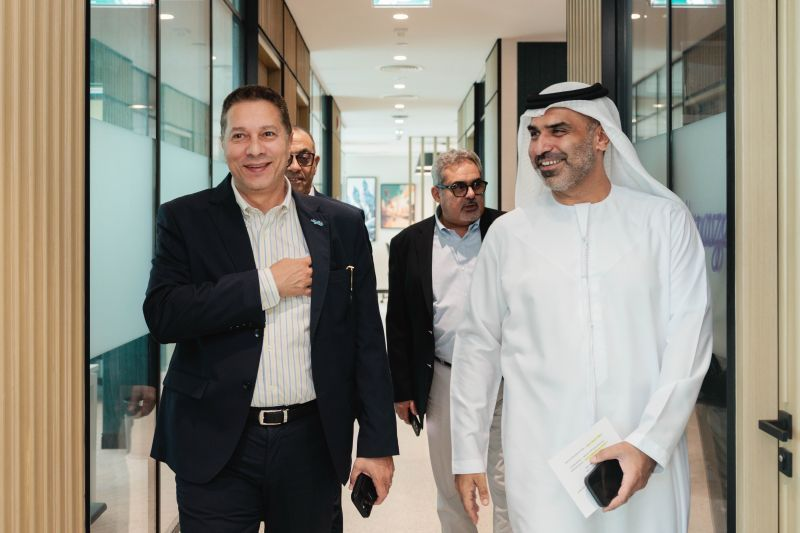
From developing hospitals and strengthening clinical quality systems to leading major institutional turnarounds and expanding integrated healthcare networks, his experience reflects the complexity of building sustainable healthcare organisations.
His leadership at Fakeeh Health UAE brings these capabilities together, combining business performance, academic medicine, digital transformation and patient-centred healthcare delivery.
For The Arab CEOs, Abdelghany represents an executive whose contribution extends beyond managing individual hospitals. His work demonstrates how clinical understanding, operational discipline and strategic leadership can combine to strengthen healthcare institutions and support the continued development of the region’s medical services.