








Now Reading: Abdulaziz Alnuaim: Building Execution-Ready Institutions for Saudi Arabia’s Next Phase of Growth
-
01
Abdulaziz Alnuaim: Building Execution-Ready Institutions for Saudi Arabia’s Next Phase of Growth
Abdulaziz Alnuaim: Building Execution-Ready Institutions for Saudi Arabia’s Next Phase of Growth
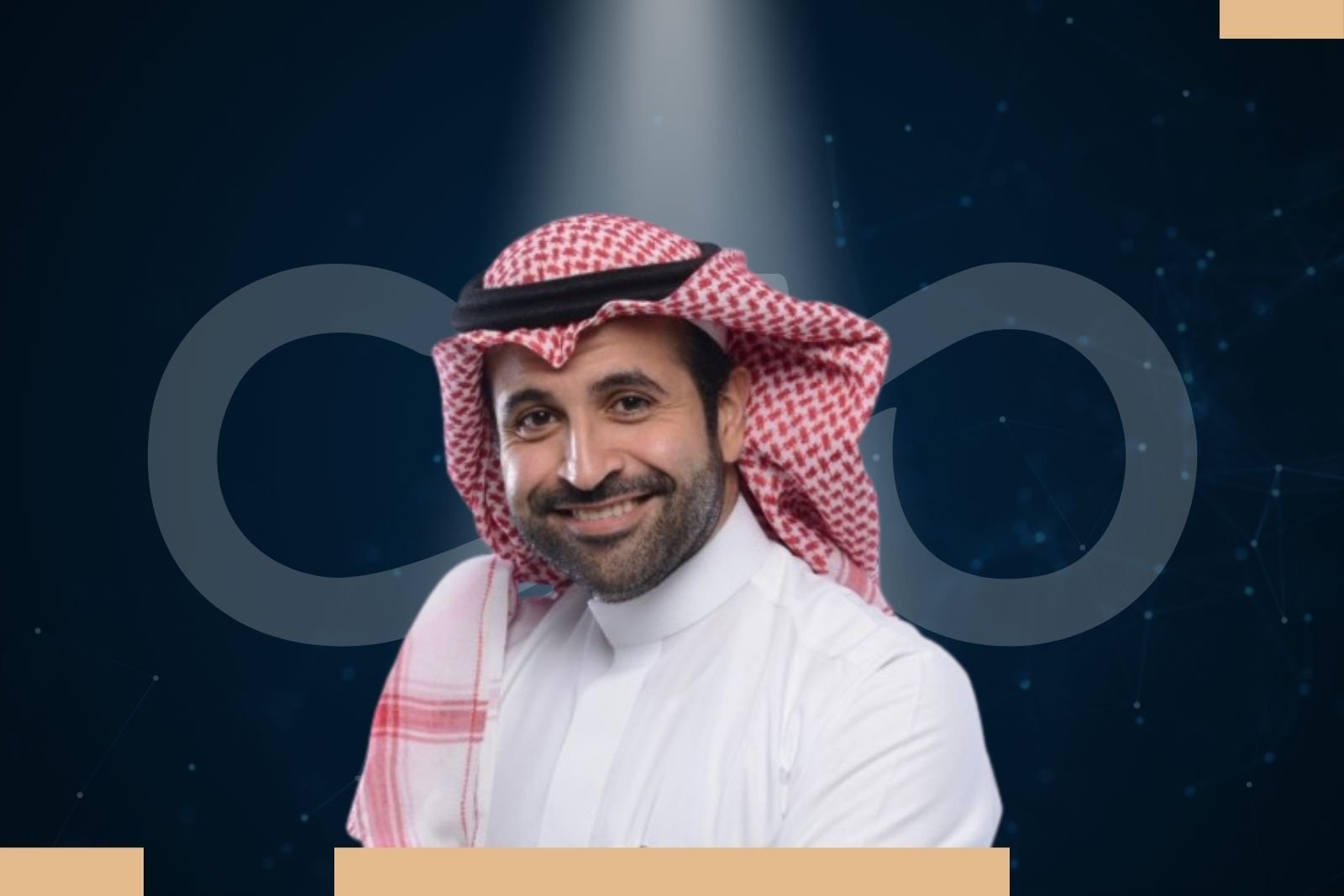
Saudi Arabia’s transformation is creating a new challenge for executive leadership. The ambition is substantial, but delivering it requires more than capital, strategy, or individual projects. It requires institutions that can turn development plans into investable opportunities, establish clear governance, coordinate multiple stakeholders, and maintain execution discipline at scale.
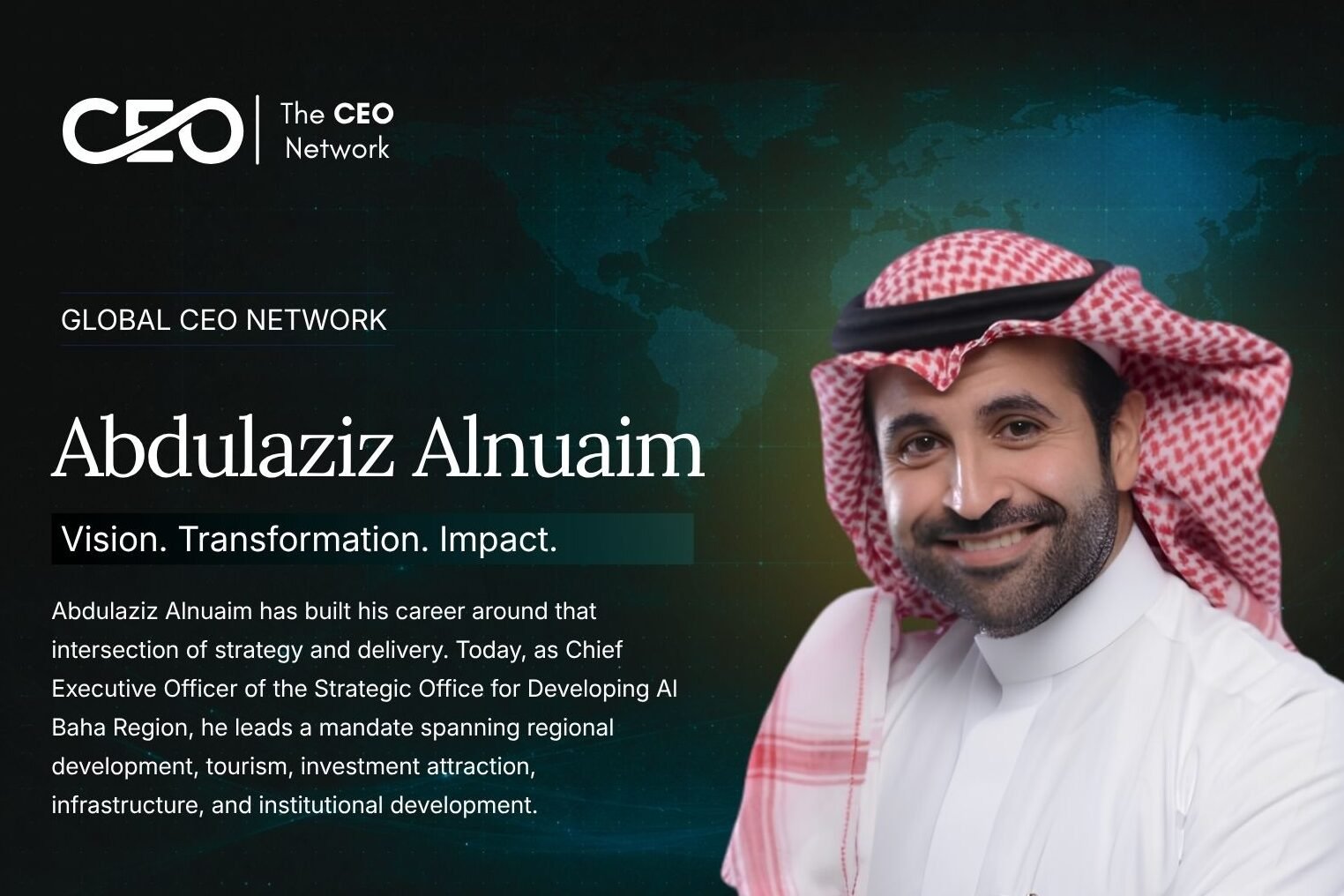
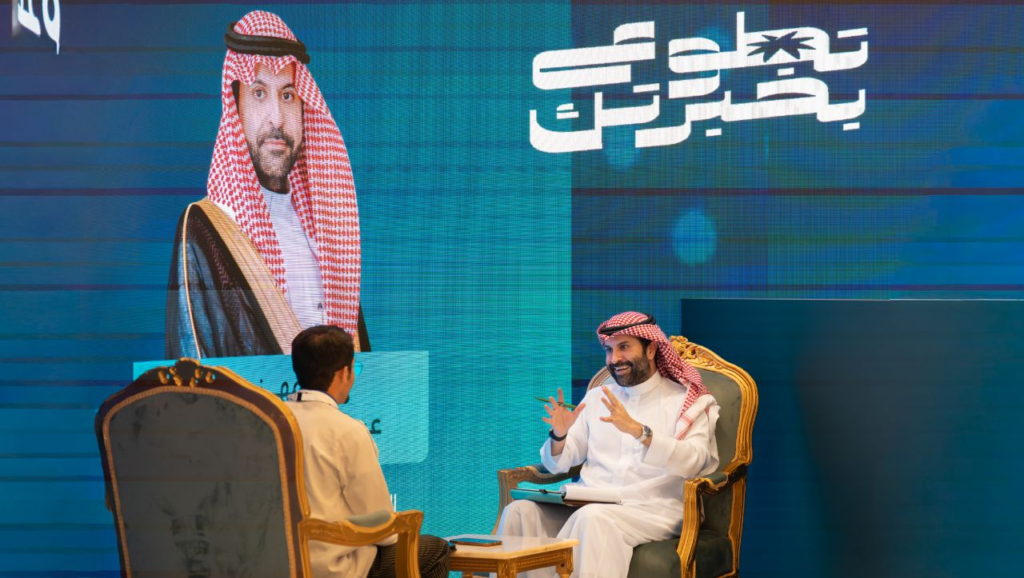
Abdulaziz Alnuaim has built his career around that intersection of strategy and delivery. Today, as Chief Executive Officer of the Strategic Office for Developing Al Baha Region, he leads a mandate spanning regional development, tourism, investment attraction, infrastructure, and institutional development. His approach is centred on creating the governance and operating structures required to turn regional potential into sustainable economic activity.
Making Regional Development Investable
Regional development becomes meaningful when strategy can be translated into projects that investors, government entities, and communities can act upon.
At the Strategic Office for Developing Al Baha Region, Alnuaim has focused on establishing an investor-ready operating model, strengthening governance, improving public-private partnership engagement, and creating clearer pathways for development approvals. His mandate covers tourism, agriculture, infrastructure, urban development, and investment enablement, requiring coordination across government institutions, regulators, and private-sector partners.
The objective is not simply to attract investment, but to create an environment in which investors can understand the opportunity, navigate the process, and participate in projects with greater confidence.
“A strong investment environment begins with clarity, governance, and the ability to execute.”
Experience at the Scale of Saudi Arabia’s Giga-Projects
Before taking his current position, Alnuaim spent three years at the Public Investment Fund as Executive Director, where he was involved in the incubation and early development of a flagship giga-project.
His responsibilities included early-stage development strategy, governance, master planning, feasibility studies, financial modelling, operating frameworks, and public-private partnership structures. He oversaw design and planning portfolios exceeding SAR 180 billion, including a 17-kilometre master plan and an international design competition for an iconic landmark.
He was also part of the founding leadership team during the transition of the PIF-incubated project into New Murabba Development Company. His work during this phase included governance, ESG and decarbonisation frameworks, as well as integrated planning across residential, hospitality, cultural, and technology districts.
This experience placed him within one of the most significant areas of Saudi Arabia’s economic transformation: creating entirely new destinations and development ecosystems rather than simply expanding existing ones.
Turning Complex Development Into Governed Execution
Alnuaim’s career demonstrates a consistent emphasis on the structures behind successful projects.
At Jabal Omar Development Company, he served as Chief Corporate Development Officer and Acting Chief Design Officer, overseeing a portfolio of design and master-planning projects exceeding SAR 40 billion. His responsibilities included destination planning, business model development, feasibility, project phasing, hotel operator integration, and the coordination of international advisers and consultants.
Earlier, as CEO and later Chairman of the Board of DEYAR Engineering Consultants, he led a corporate turnaround and established performance management, governance, and risk frameworks designed to improve operational accountability and support sustainable growth.
These experiences reveal a consistent element of his leadership: the belief that ambitious strategies require equally strong operating systems.
Strengthening the Machinery Behind Delivery
Before moving into major destination and investment development, Alnuaim held senior roles across government, healthcare, hospitality, construction, and engineering.
At the Ministry of Municipal and Rural Affairs and Housing, he advised senior leadership on major housing and infrastructure programmes while establishing a Project Management Office and Result Management Office to standardise governance, reporting, and performance tracking. He also oversaw a portfolio of design and construction projects exceeding SAR 20 billion.
At King Faisal Specialist Hospital and Research Centre, he established a PMO and managed a capital construction programme exceeding SAR 1.5 billion, spanning clinical, residential, and research facilities.
His experience at Dur Hospitality similarly involved establishing project governance structures and overseeing major hospitality developments, including Holiday Inn and Marriott projects with a combined value exceeding SAR 400 million.
Across these environments, the common thread has been execution: creating systems that allow complex programmes to move from planning to delivery with greater control.
A Career That Connects Development and Entrepreneurship
Alnuaim’s leadership experience is not limited to large institutions.
Earlier in his career, he founded and led Smawat, an early digital commerce venture established during the formative years of Saudi Arabia’s e-commerce market. He developed the business model, established technology partnerships, and built a cross-functional team spanning product, operations, and digital marketing.
His earlier construction career also provided extensive exposure to large-scale project delivery. As Project Director for the Al Baha University construction project, he directed a programme exceeding SAR 3 billion and coordinated a workforce of more than 600 employees, engineers, subcontractors, and suppliers.
That combination of entrepreneurial experience and large-scale programme management has contributed to a leadership perspective that considers both the strategic opportunity and the practical mechanics required to deliver it.
Preparing for the Next Generation of Leadership
Alnuaim has complemented his professional experience with executive education from leading international institutions, including Harvard Business School, London Business School, IMD, and the London School of Economics and Political Science. His studies have covered senior executive leadership, business administration, finance, governance, planning, and design.
This continued development reflects the increasingly multidisciplinary nature of modern development leadership. Executives responsible for major destinations and capital programmes must understand finance, governance, investment, urban development, institutional design, and stakeholder management simultaneously.
“Large projects succeed when the institution behind them is designed to support execution.”
Leadership Through Institutional Building
Alnuaim’s current work in Al Baha brings together many of the disciplines that have defined his career.
His leadership priorities include:
- Regional economic development
- Tourism and destination development
- Investment attraction
- Governance and institutional design
- Large-scale capital programmes
- Public-private partnerships
- Strategic planning and execution
- Sustainable infrastructure
The significance of this approach extends beyond individual projects. By building stronger governance frameworks, clearer investment pathways, and more capable institutions, the objective is to create conditions for development that can continue beyond any single leadership cycle or project.
Recognition by The CEO Network
The CEO Network recognises Abdulaziz Alnuaim for his contribution to large-scale development, institutional leadership, and Saudi Arabia’s evolving investment and destination ecosystem.
From major construction programmes and healthcare infrastructure to corporate transformation, PIF giga-project development, and his current leadership of Al Baha’s strategic development agenda, his career has been defined by the ability to connect ambitious objectives with the governance, planning, and execution required to deliver them.
At a time when Saudi Arabia is developing new destinations, industries, and investment ecosystems, that ability to build not only projects but also the institutions behind them represents an increasingly important form of executive leadership.