








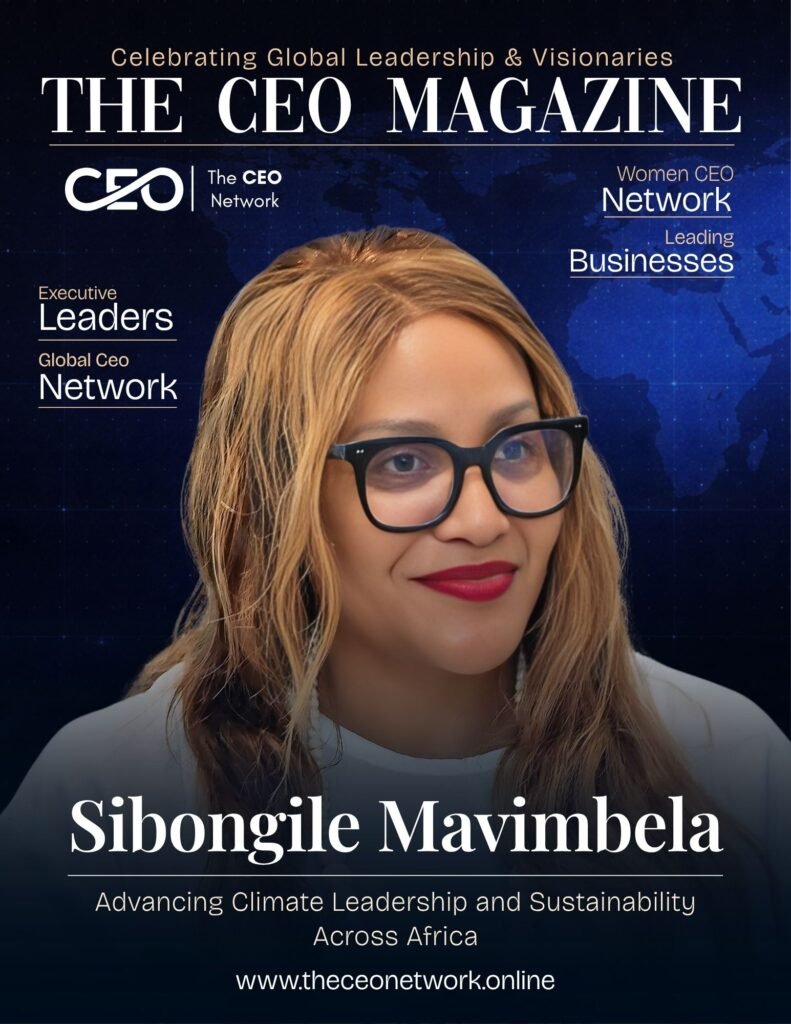
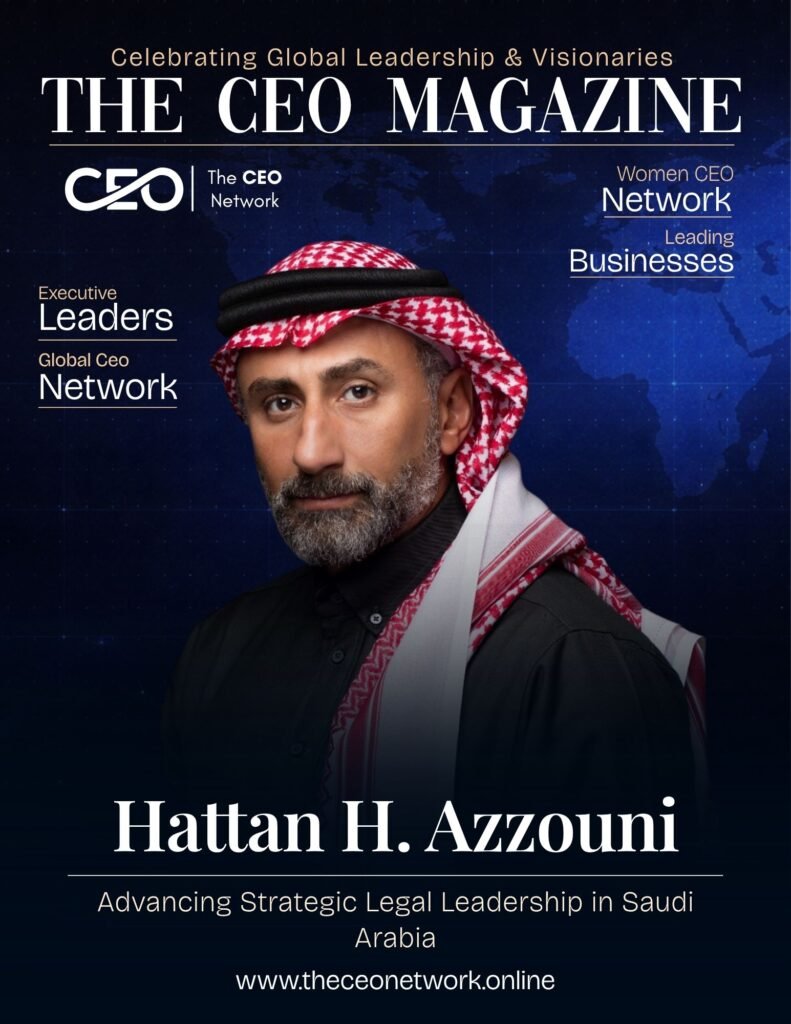
Now Reading: Sibongile Mavimbela: Advancing Climate Leadership and Sustainability Across Africa
-
01
Sibongile Mavimbela: Advancing Climate Leadership and Sustainability Across Africa
Sibongile Mavimbela: Advancing Climate Leadership and Sustainability Across Africa
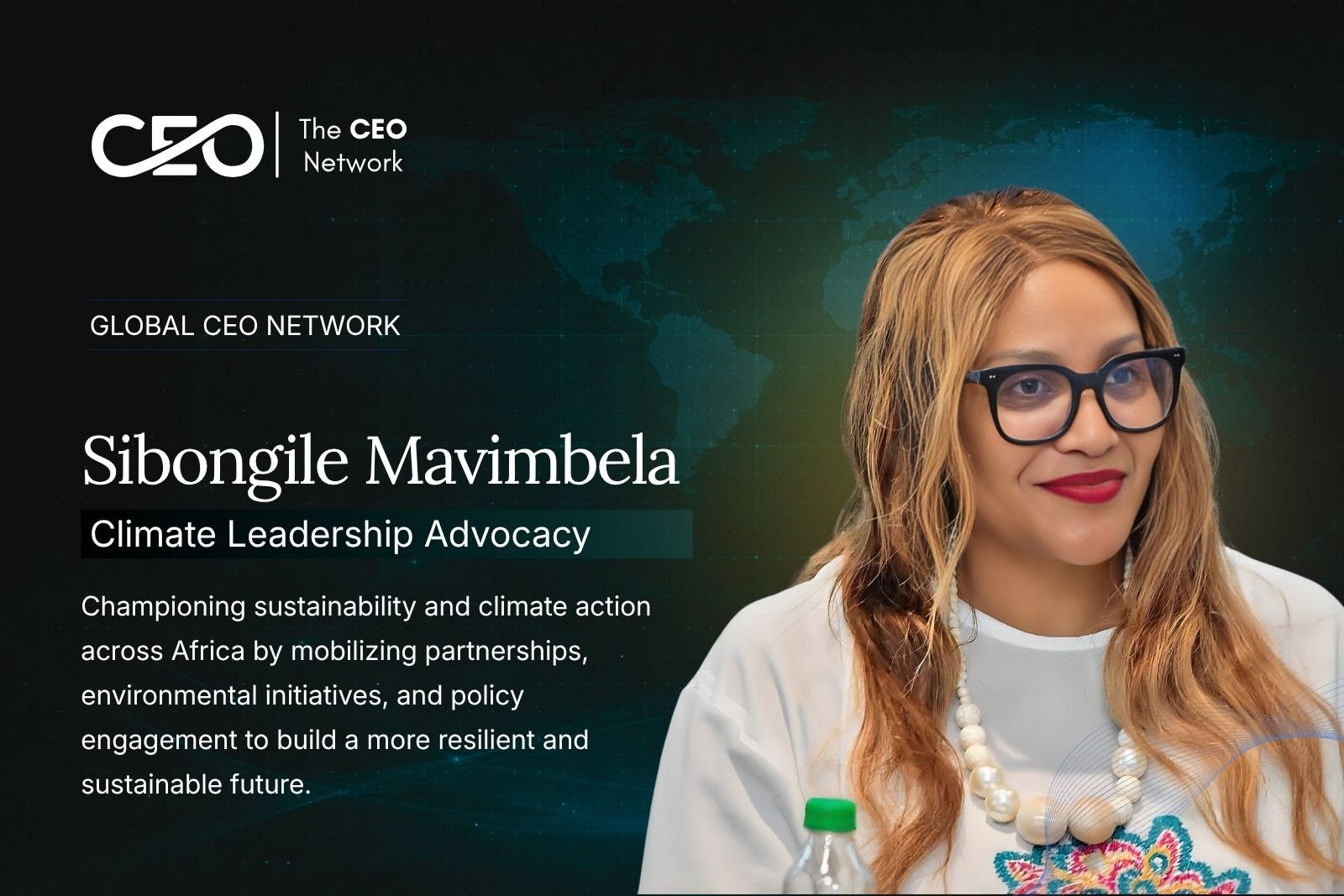
A Voice for Climate Action and Sustainable Development
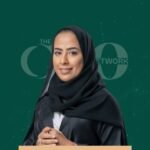
Across the African continent, the urgency of climate action, environmental protection, and sustainable economic development continues to shape the global agenda. Among the leaders contributing to this transformation is Sibongile Mavimbela, an accomplished environmental and climate change expert whose career spans more than two decades of policy development, sustainability leadership, and regional collaboration.
Currently serving as Senior Programme Officer for Environment and Climate Change at the Southern African Development Community (SADC) Secretariat, Sibongile plays a central role in advancing environmental governance and climate resilience across the Southern African region. Her work contributes to policies and programs designed to protect ecosystems, strengthen climate resilience, and support sustainable livelihoods for present and future generations.

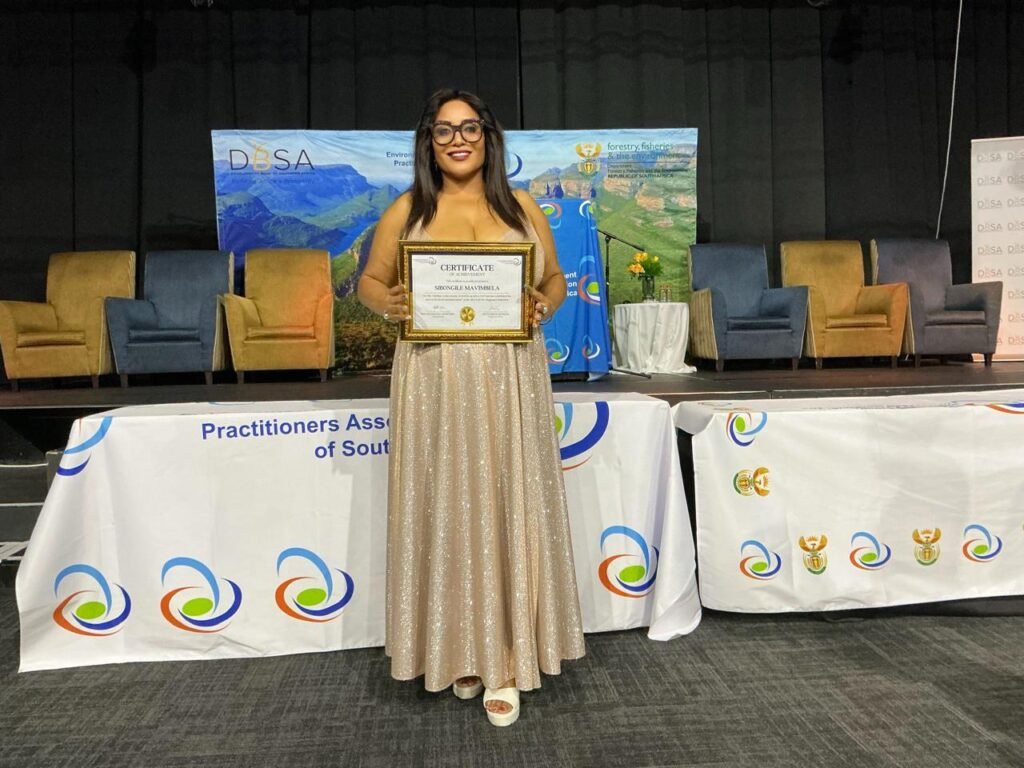
Recognized internationally for her contributions, she was honored with the Clevenard Global Award (Spain 2026) and the Lifetime Achievement Award (South Africa 2025), celebrating her impact in the fields of environmental sustainability and climate leadership.
“Sustainability is not simply about environmental protection. It is about safeguarding livelihoods, economies, and future generations.”
Driving Regional Environmental Policy
At the SADC Secretariat, Sibongile leads initiatives within the Food, Agriculture, and Natural Resources Directorate, focusing on environmental management and climate change strategies across member states.
Her work supports the regional mandate to:
- Protect and improve environmental health across Southern Africa
- Preserve biodiversity and natural heritage
- Strengthen ecosystem resilience
- Promote sustainable economic development
- Support equitable resource management for future generations
Through policy coordination and regional collaboration, she contributes to building sustainable frameworks that balance economic growth with environmental responsibility.
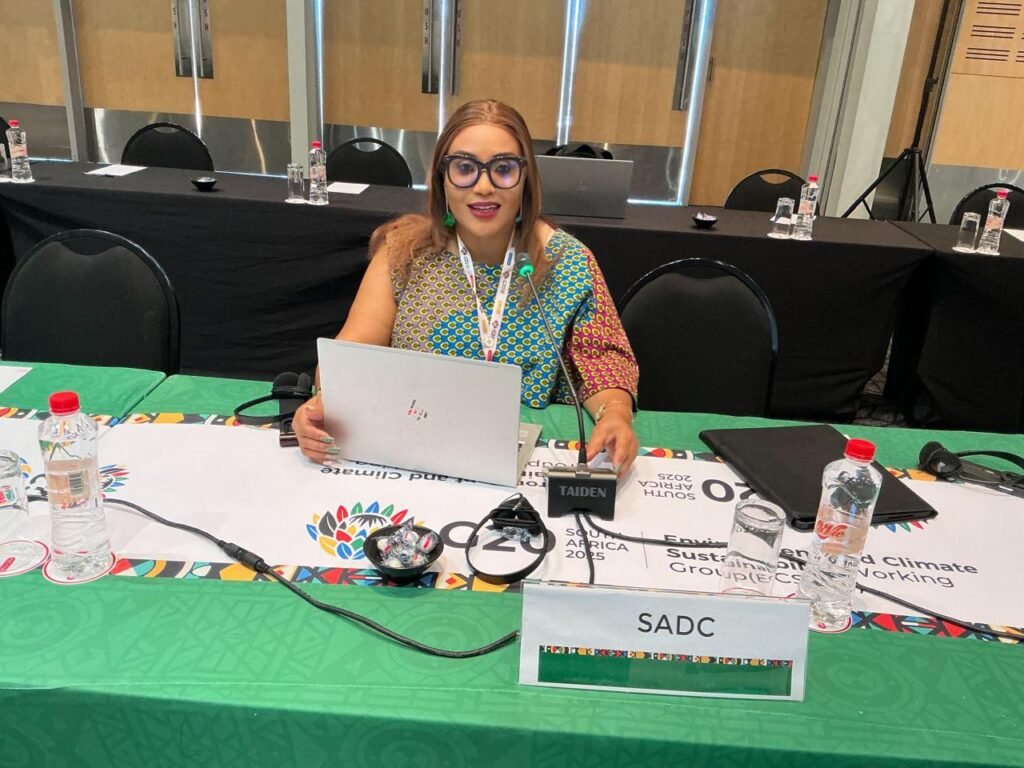
Climate Diplomacy and Global Engagement
Beyond regional policy work, Sibongile has also played a role in the global climate negotiation landscape.
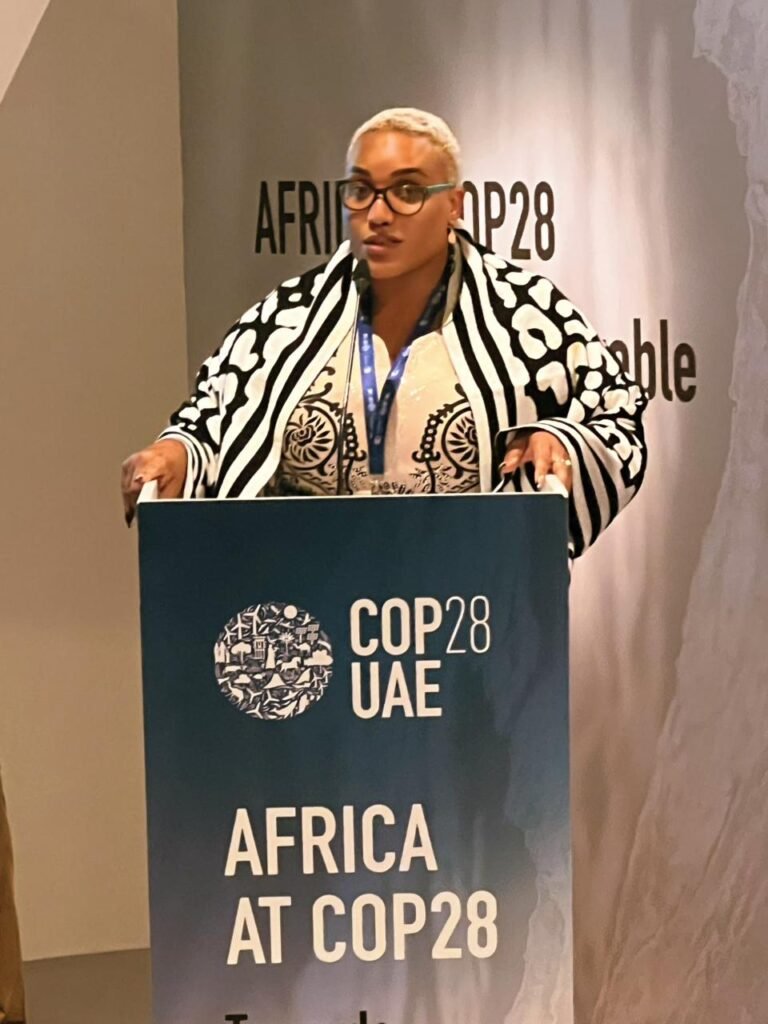
She has served as a UNFCCC Co-Facilitator on Gender and Climate Change under the Subsidiary Body for Implementation (SBI), helping to advance international dialogue on inclusive climate governance and gender-responsive environmental policies.
Her contributions reflect a broader commitment to ensuring that climate action integrates social equity, human rights, and sustainable development principles.
“Effective climate policy must include diverse voices and ensure that solutions benefit all communities.”
Entrepreneurial Ventures Beyond Climate Leadership
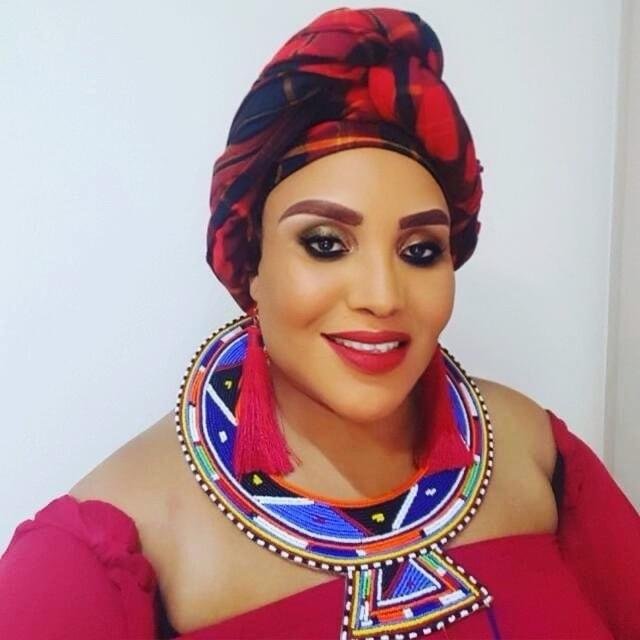
Beyond her leadership in climate policy and sustainability, Sibongile Mavimbela has also built a dynamic portfolio of entrepreneurial ventures that reflect her commitment to economic empowerment and sustainable enterprise. Her business interests span multiple sectors, including cattle farming in Radium, as well as hospitality through Barton’s Folly Lodge in Hekpoort. She also manages rental properties across Pretoria, Badplaas, and Cape Town, demonstrating a strategic approach to long-term investment and asset development.
In the hospitality and lifestyle sector, she operates The Diplomat Restaurant and Bar in Eswatini, further expanding her presence in regional entrepreneurship. Her latest venture, Mavi Coffee, focuses on importing premium Peruvian coffee beans into South Africa, where they are processed and distributed to supermarket chains, restaurants, and online platforms. Through these initiatives, Mavimbela continues to demonstrate how leadership in sustainability can extend beyond policy and advocacy into innovative business ventures that support regional economic growth.
Expertise Across Sustainability and the Green Economy
Sibongile’s professional focus spans a wide spectrum of sustainability and development sectors. Her work integrates environmental protection with economic and social development strategies.
Her key areas of expertise include:
- Climate change policy and governance
- Renewable energy development
- Blue, green, and circular economy initiatives
- Environmental protection and pollution management
- Natural resource management
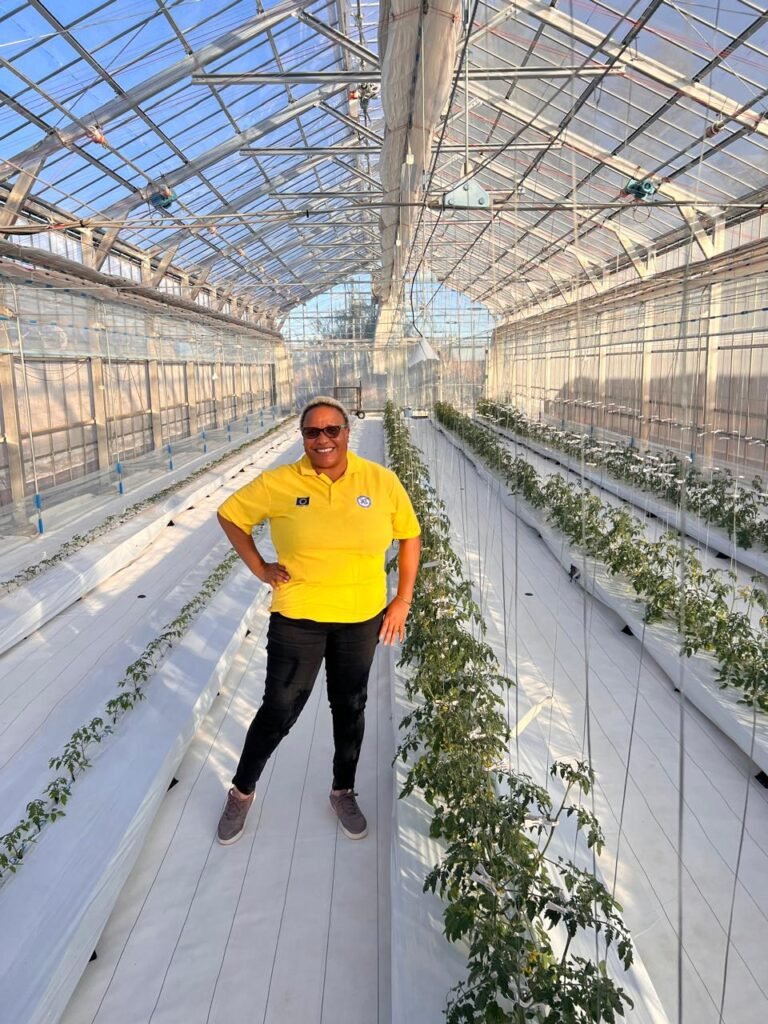
- Sustainable agriculture and food security
- Environmental policy and capacity building
This multidisciplinary approach allows her to contribute to holistic sustainability strategies that connect environmental protection with economic opportunity.
Knowledge Leadership and Capacity Building
Prior to joining SADC, Sibongile held several leadership roles focused on knowledge management, research dissemination, and policy development.
At the Water Research Commission in South Africa, she served as Head of Knowledge Services, where she helped transform research into actionable insights for policymakers and stakeholders in the water sector. Her work included developing knowledge platforms, facilitating research dissemination, and supporting decision-makers with evidence-based policy insights.
Earlier in her career, she worked with the Department of Environmental Affairs, contributing to international cooperation and African environmental policy engagement.
Her experience in teaching, coaching, facilitation, and project management further strengthens her role as a mentor and capacity builder within the sustainability ecosystem.
Building Partnerships Across Global Networks
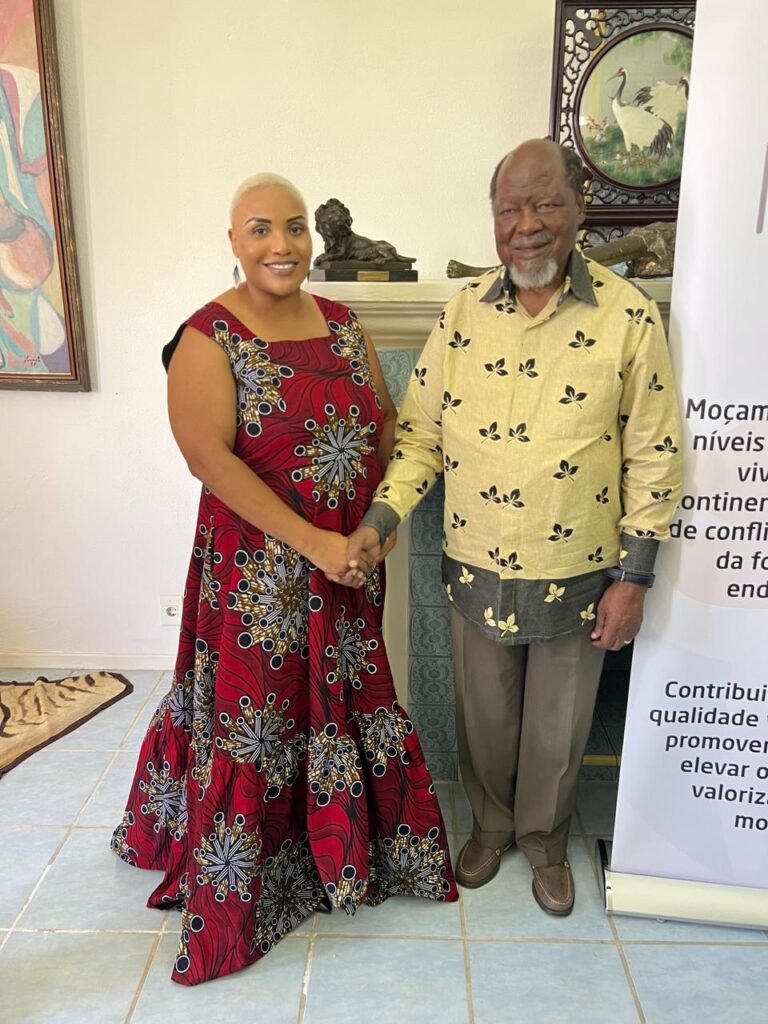
Sibongile is widely recognized as a strategic network builder, bringing together governments, international organizations, private sector actors, and civil society stakeholders.
Her professional activities include:
- Mobilizing financial resources for sustainability initiatives
- Facilitating cross-sector partnerships
- Supporting climate-focused development programs
- Encouraging entrepreneurship and innovation within environmental sectors
She is also active in Women for the Environment (WE Africa) as a 2021 Pioneer Fellow, a platform dedicated to strengthening female leadership within environmental policy and sustainability.
A Leader with a Pan-African Vision
Sibongile describes herself as an internationalist and Pan-Africanist, committed to advancing sustainable development across the continent. Alongside her professional work, she remains active in social, environmental, and human rights advocacy, supporting initiatives that empower communities and strengthen environmental stewardship.
Her multilingual ability, including Siswati, English, Xhosa, Zulu, and several other African languages, allows her to engage effectively across diverse communities and cultural contexts.
Through her work in policy, diplomacy, and sustainability leadership, Sibongile continues to champion a future where economic growth and environmental protection move forward together.
Academic Foundation
Sibongile holds a Master of Science (MSc) in Environmental Sciences from Atlantic International University, providing a strong academic foundation for her extensive work in climate policy and sustainability governance.
The CEO Network Recognition
The CEO Network recognizes Sibongile Mavimbela as a distinguished leader in environmental governance and climate policy, whose work continues to strengthen sustainable development and regional cooperation across Africa.