


Now Reading: Saad Sherida Al-Kaabi: Steering QatarEnergy Through a Global Energy Realignment
-
01
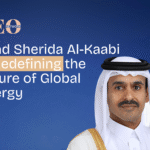
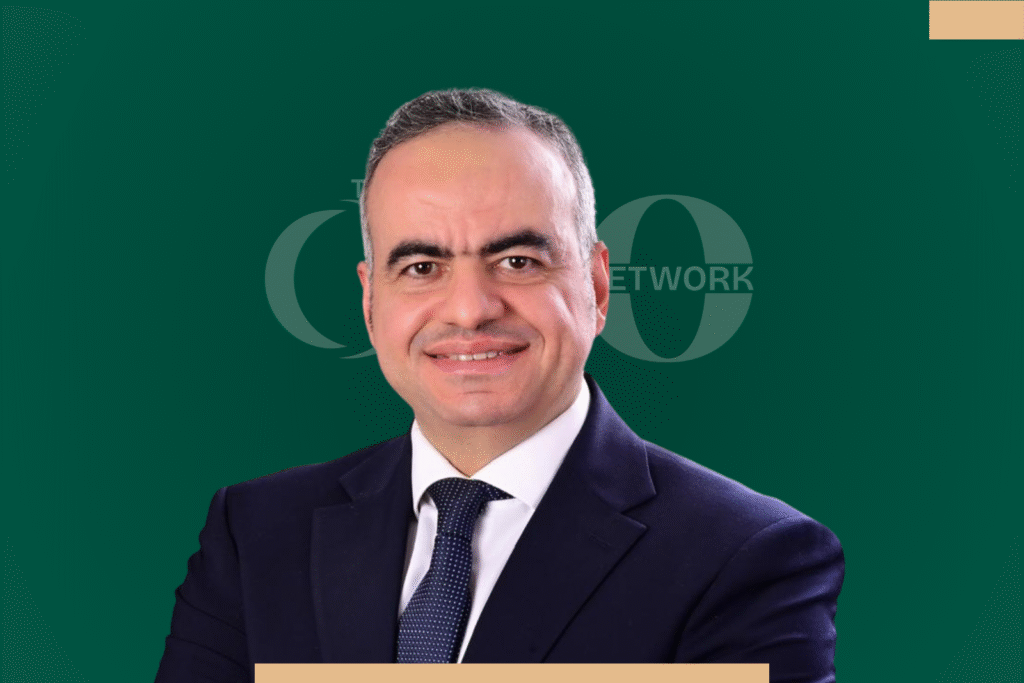
Saad Sherida Al-Kaabi: Steering QatarEnergy Through a Global Energy Realignment
Saad Sherida Al-Kaabi: Steering QatarEnergy Through a Global Energy Realignment
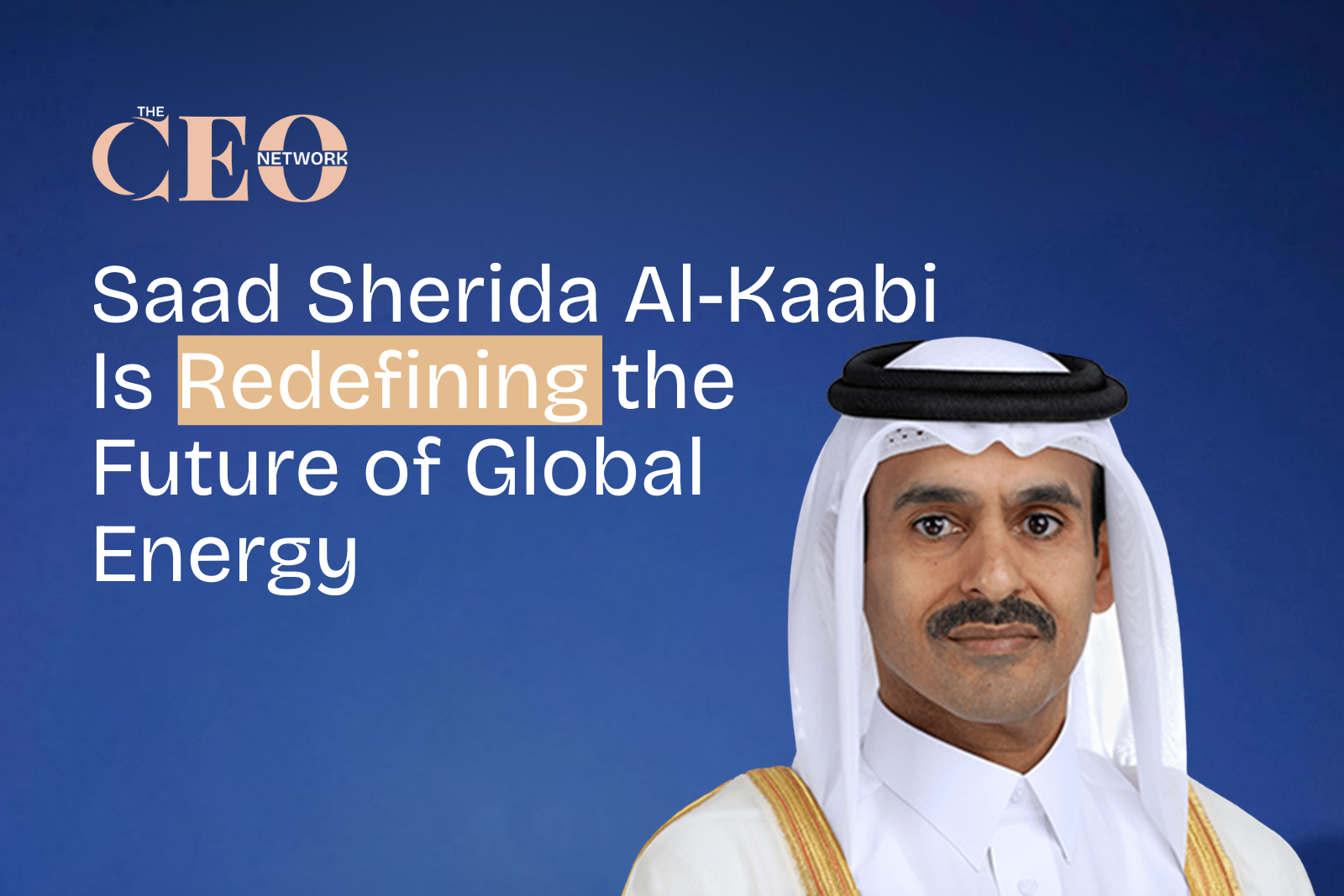
As the world debates energy transition pathways, Qatar is doubling down on strategic expansion. At the center of that strategy is Al-Kaabi, whose leadership during the North Field expansion marks one of the most significant LNG developments of the decade.
Expanding LNG Supremacy
The North Field project, coming online in phases through 2026, substantially increases Qatar’s LNG production capacity. Crucially, a portion of this output remains uncontracted, providing flexibility in spot markets and strengthening global trading leverage.
In a world shaped by geopolitical volatility and supply disruptions, flexibility is power.
By boosting capacity, Qatar reinforces its position as one of the world’s leading natural gas exporters. This is particularly vital for Europe and Asia as they diversify supply sources.
Beyond Gas: Diversifying the Value Chain
Al-Kaabi’s strategy extends beyond LNG exports. QatarEnergy is investing in downstream integration, ammonia production, and carbon capture technologies to support lower-carbon fuel pathways.
This signals a pragmatic approach to the energy transition. Rather than abandoning hydrocarbons, Qatar is optimizing them while building adjacent capabilities that support decarbonization goals.
Regional intelligence from MEED and global CEO surveys from PwC highlight geopolitics and energy security as persistent concerns. In this context, QatarEnergy’s expansion provides both stability and influence.
Diplomacy Through Energy
Energy is not only an economic asset. It is also a diplomatic instrument.
By strengthening long-term supply agreements and expanding trading capabilities, Qatar enhances its geopolitical relevance. Al-Kaabi’s stewardship positions the country centrally in global energy negotiations.
For energy sector leaders, the message is clear. The transition will not be linear. Security, affordability, and sustainability must coexist.
Under Al-Kaabi, QatarEnergy is building a bridge between today’s demand and tomorrow’s expectations.