

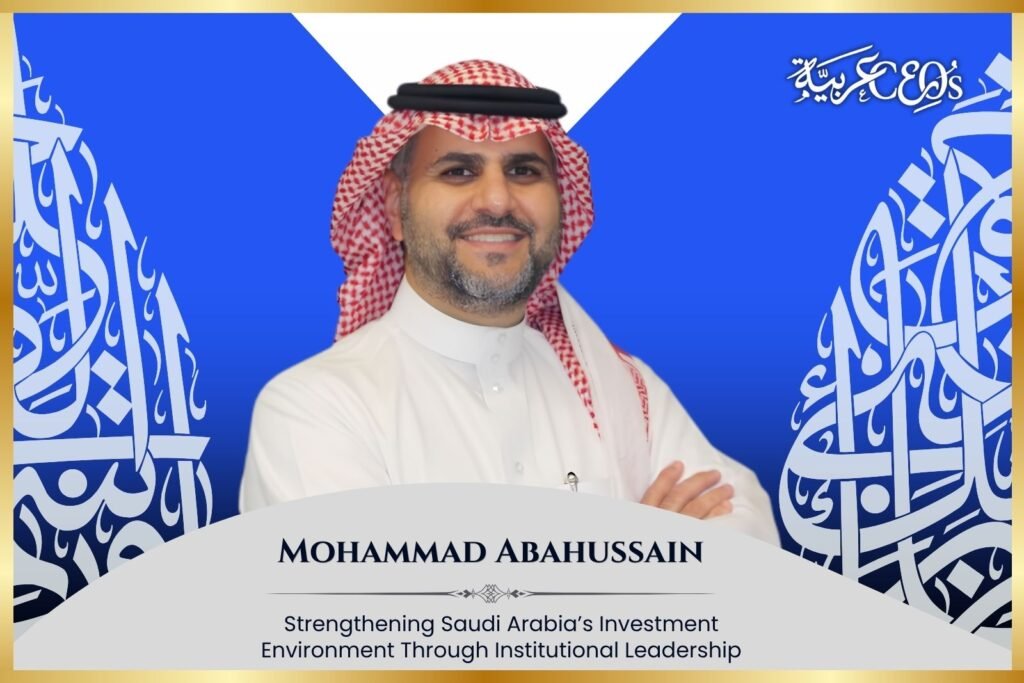





Now Reading: Mohammad Abahussain: Strengthening Saudi Arabia’s Investment Environment Through Institutional Leadership
-
01
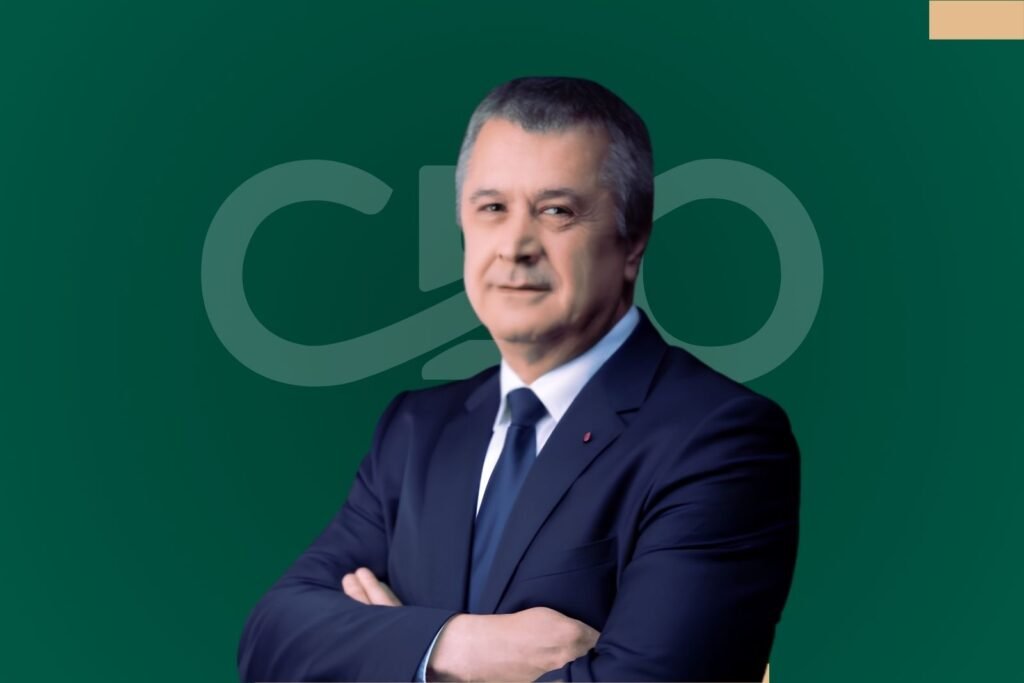
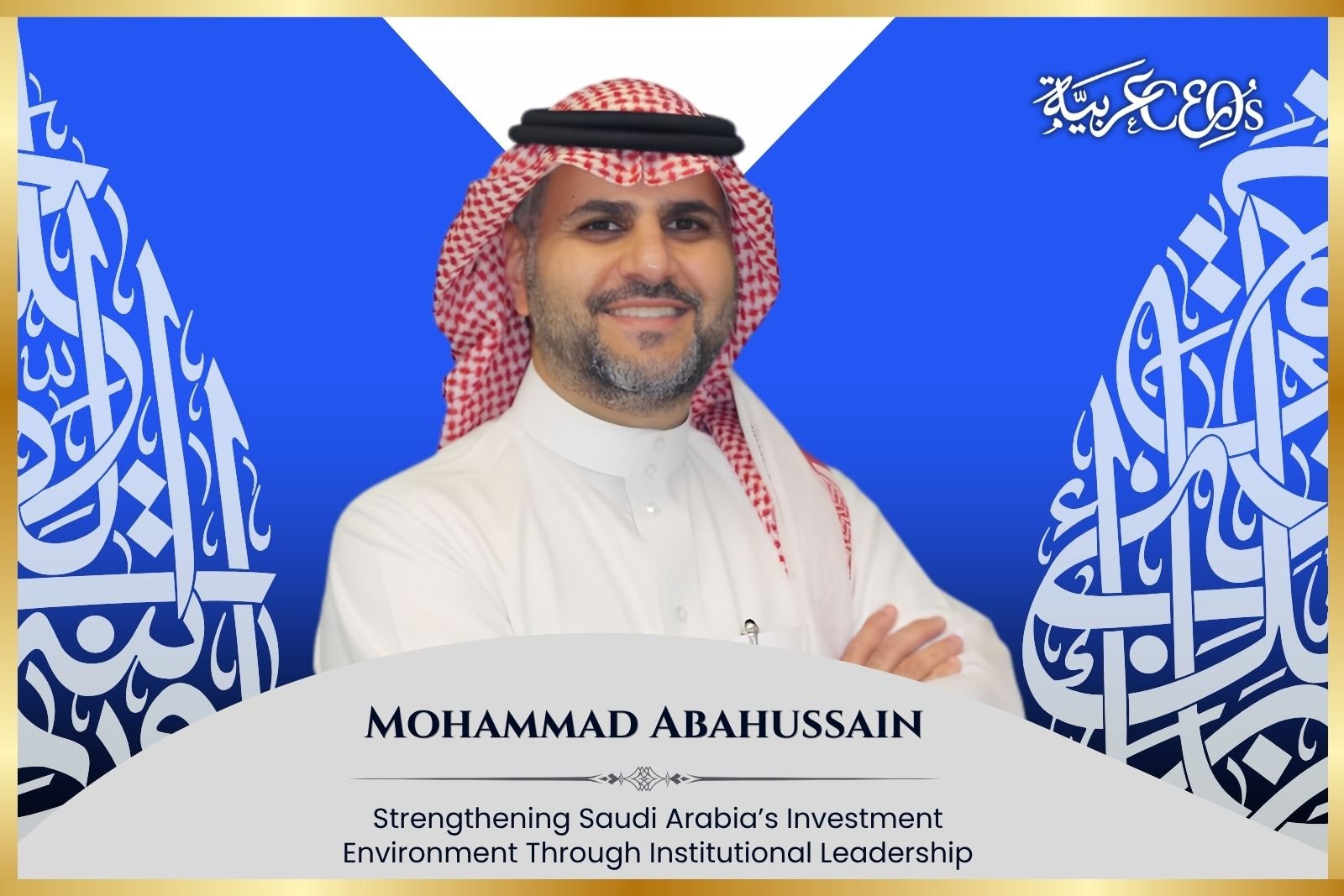
Mohammad Abahussain: Strengthening Saudi Arabia’s Investment Environment Through Institutional Leadership
Mohammad Abahussain: Strengthening Saudi Arabia’s Investment Environment Through Institutional Leadership
Attracting investment is only one part of building a competitive economy. Equally important is what happens after investors express interest: how efficiently they navigate regulations, access government services, establish operations and develop their businesses.
For Mohammad Abahussain, this connection between institutional efficiency and economic opportunity has become a central focus of his leadership.
With more than 25 years of experience across government institutions, Saudi Aramco and the wider corporate environment, Abahussain has developed expertise in governance, operational transformation, procurement and investment services.
Today, as Deputy Minister for Integrated Investor Services at Saudi Arabia’s Ministry of Investment (MISA), he works at the intersection of government service delivery, investor experience and institutional development, contributing to the Kingdom’s ambition to build a more competitive investment environment.
Making Investor Services a Strategic Priority
Since November 2022, Abahussain has served as Deputy Minister for Integrated Investor Services at the Ministry of Investment.
His appointment followed several years of senior leadership within the ministry, providing a foundation in its operational structures, governance requirements and institutional priorities.
Investor services represent a particularly important dimension of economic competitiveness.
While investment promotion creates awareness of opportunities, the experience of establishing and operating a business can influence investor confidence and long-term commitment.
Effective service delivery requires coordination across government entities, clarity in administrative processes and the ability to address practical challenges faced by businesses.
Abahussain’s current responsibilities place him within this wider effort to strengthen the relationship between investors and the institutions that support them.
His professional focus reflects an understanding that improving the investment environment involves not only policy development, but also the everyday effectiveness of government services.
An attractive investment environment depends as much on the quality of institutional execution as it does on the opportunities available to investors.
Building Institutional Capability From Within
Before assuming his current position, Abahussain served as Deputy Minister for Shared Services between October 2020 and November 2022.
This role represented a progression from governance and oversight towards broader operational leadership.
Shared services are essential to the functioning of large institutions. They bring together the administrative, organisational and support capabilities required for departments to operate consistently and effectively.
Abahussain’s experience in this area complemented his earlier work in internal audit, where accountability, compliance and risk management were central responsibilities.
From 2015 to 2020, he served as Chief Audit Executive, reporting to the Audit Committee and the board of the Saudi Arabian General Investment Authority.
His responsibilities included establishing risk management controls, developing risk-based audit programmes, monitoring regulatory compliance and evaluating organisational performance.
He also worked on identifying operational risks and developing practical recommendations for improvement.
This experience provided direct exposure to how institutional decisions, internal processes and governance structures influence performance.
For an executive subsequently responsible for integrated investor services, such knowledge offers an important perspective on the relationship between internal efficiency and external service quality.
From Technology and Procurement to Government Leadership
Abahussain’s professional background is distinctive in its combination of information systems, procurement management and executive administration.
He began his career in technology-related responsibilities at Saudi Aramco, working on internal systems, digital platforms and information technology processes.
He later joined Saudi Electricity Company, where his responsibilities included systems analysis, database administration, workflow development and digital support for contracting activities.
These early assignments established a practical understanding of how technology can improve organisational processes.
His subsequent return to Saudi Aramco brought a stronger focus on procurement, contract management and operational performance.
During an assignment with Aramco Overseas Company in the Netherlands, he supervised contracting activities supporting the company’s European operations.
His work included introducing performance indicators, improving procurement processes and coordinating with legal and financial stakeholders.
One documented initiative involved standardising 60% of contracts by specialty to reduce procurement cycle times.
The experience illustrates a recurring theme in his career: improving organisational performance through clearer processes, structured decision-making and stronger operational controls.
Institutional transformation often begins with practical improvements to the systems and processes through which organisations deliver their responsibilities.
Connecting Governance With Economic Development
Abahussain’s progression into investment-sector leadership was supported by his experience in institutional governance.
As Director of the Licensing Department in 2015, he held responsibilities involving administrative processes, committee leadership and coordination across government functions.
His professional record includes chairing committees concerned with bid evaluation, contractual issues and asset-related assessments.
He also represented Saudi Arabia in joint commissions on economic and technical cooperation with Germany and South Africa.
These responsibilities provided exposure to the administrative and institutional dimensions of economic engagement.
Over time, his career expanded from managing individual systems and processes towards responsibilities involving broader government services and investment-related priorities.
This progression demonstrates how operational expertise can become increasingly relevant to strategic leadership.
For institutions supporting economic development, the quality of governance and execution can have consequences extending well beyond internal administration.
Supporting Investment Through Cross-Institutional Responsibilities
Alongside his responsibilities at the Ministry of Investment, Abahussain holds several positions connected to Saudi Arabia’s business and regulatory environment.
Since October 2023, he has served as Chairman of three Premium Residency committees, covering business investors, entrepreneurship investors and real estate ownership.
These appointments place him within processes associated with attracting and facilitating different categories of investment-related participation in the Kingdom.
He also serves as a Board Member of the Saudi Business Center and the National Centre for Inspection and Control.
His additional responsibilities include membership of committees concerned with human resources and corporate social responsibility at the Ministry of Human Resources and Social Development.
Together, these appointments reflect involvement across institutions whose responsibilities intersect with business activity, regulatory administration and organisational development.
They also demonstrate the importance of coordination between different public-sector functions in supporting a more integrated business environment.
Investment competitiveness is strengthened when government institutions operate with clarity, consistency and a shared understanding of business requirements.
Leadership Development and Professional Recognition
Abahussain holds a Bachelor’s degree in Management Information Systems and an Executive MBA from King Fahd University of Petroleum and Minerals.
His executive education includes the Oxford High Performance Leadership Programme at Saïd Business School, University of Oxford, and a programme in commercial contracts administration at The George Washington University School of Business.
His professional record also includes recognition for contributions to organisational improvement and service delivery.
Among these are a Saudi Aramco certificate of appreciation for innovative contract management ideas, recognition associated with government call centre and human resources performance, and awards relating to business transformation, customer insight and digital transformation.
These distinctions complement a career that has consistently involved improving how organisations manage resources, processes and stakeholder relationships.
The Wider Value of Institutional Leadership
A defining feature of Abahussain’s professional journey is the connection between technical expertise and public-sector leadership.
His early responsibilities involved information systems and operational support. Subsequent positions expanded into procurement, governance, internal audit and executive administration.
Today, his work centres on services that directly influence the experience of investors engaging with Saudi Arabia.
This progression highlights an important dimension of economic development.
Major investment strategies require effective institutions to support their implementation. Regulations must be administered consistently, services must remain accessible and organisational processes must be capable of responding to evolving business needs.
Abahussain’s career demonstrates the relevance of operational discipline and governance experience to these wider economic priorities.
Recognition by The Arab CEOs
Mohammad Abahussain’s professional journey reflects more than two decades of experience connecting organisational efficiency with institutional development.
From technology and procurement responsibilities at Saudi Aramco and Saudi Electricity Company to senior governance and executive positions at the Ministry of Investment, his career has developed around strengthening systems, improving accountability and supporting effective service delivery.
As Deputy Minister for Integrated Investor Services, he now applies that experience within an institution central to Saudi Arabia’s investment ambitions.
For The Arab CEOs, Abahussain represents a form of executive leadership whose contribution extends beyond individual organisational performance.
His work highlights the importance of capable public institutions in supporting private-sector growth, improving the investment experience and creating the administrative conditions in which businesses can establish themselves and develop with confidence.