





Now Reading: Saleh Aldahmashi: Bringing Financial Discipline and Institutional Leadership to Saudi Arabia’s Healthcare Sector
-
01
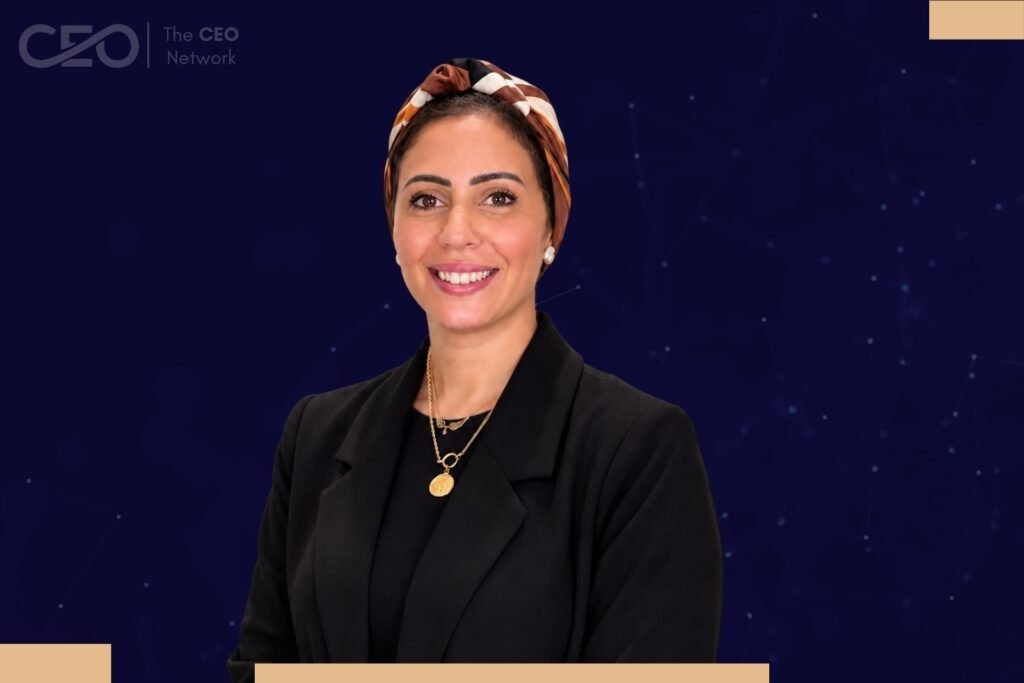
Saleh Aldahmashi: Bringing Financial Discipline and Institutional Leadership to Saudi Arabia’s Healthcare Sector
Saleh Aldahmashi: Bringing Financial Discipline and Institutional Leadership to Saudi Arabia’s Healthcare Sector
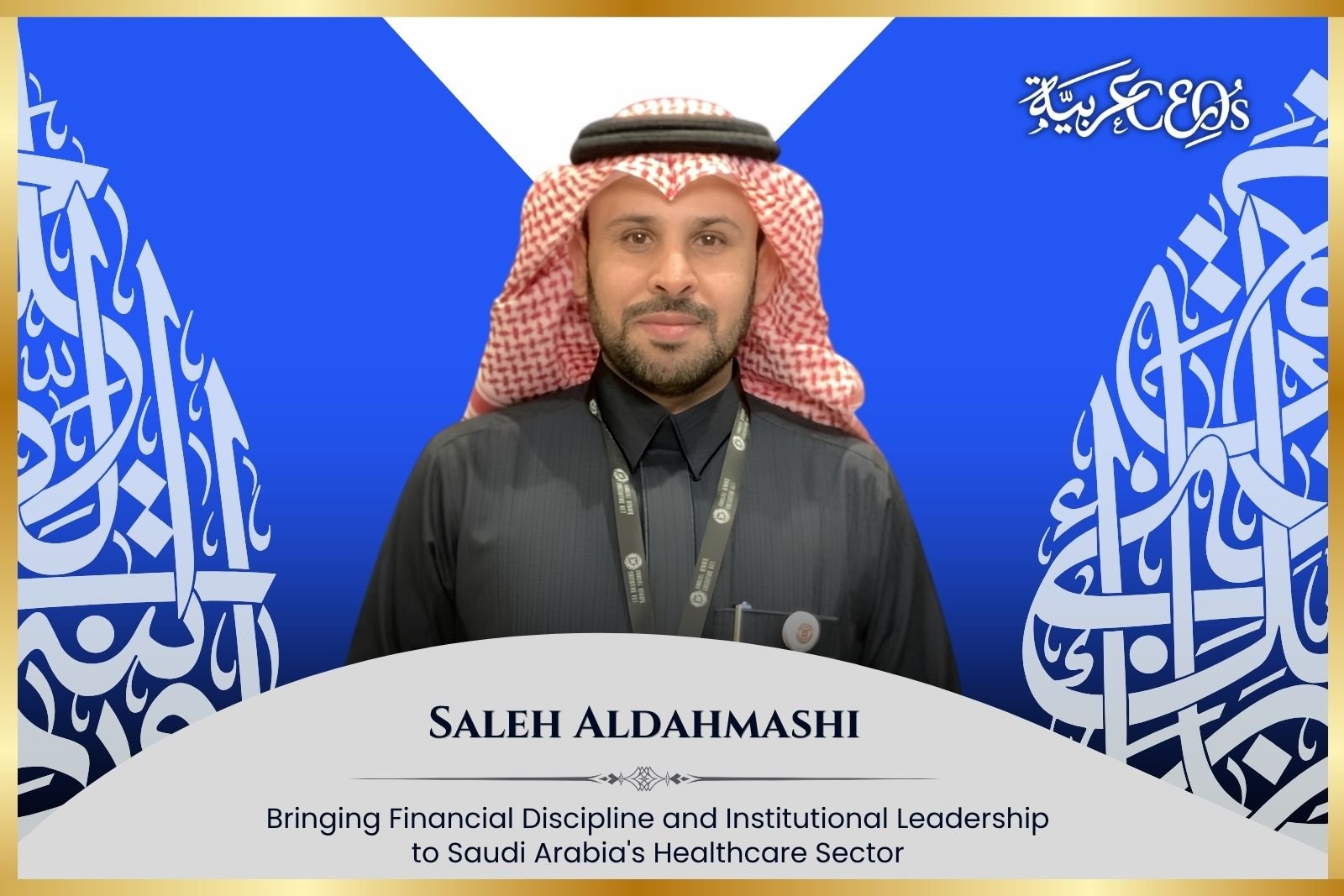
Running a hospital requires an unusual balance of responsibilities. Financial sustainability must coexist with patient care, operational efficiency with clinical quality, and organisational growth with the needs of the people who depend on its services.
For Saleh Aldahmashi, these considerations are informed by more than 25 years of executive experience spanning financial services, investment management, government institutions and healthcare.
Today, as General Director of Alsahafah Hospital at Dr. Sulaiman Al Habib Medical Group, Aldahmashi leads an organisation where financial management, operational performance and healthcare delivery must function as part of a coordinated strategy.
His professional journey offers an example of how leadership experience developed in one industry can bring a valuable perspective to another.
Leading Healthcare Through an Operational Lens
Since May 2023, Aldahmashi has served as General Director at Dr. Sulaiman Al Habib Medical Group, with responsibility for the strategic and operational performance of Alsahafah Hospital.
His role encompasses patient care, workforce management, quality standards, patient access and the hospital’s financial performance.
He also oversees budgeting, revenue objectives, cost-efficiency initiatives, governance, compliance and continuous improvement.
These responsibilities require an understanding of how different parts of a healthcare institution influence one another.
A hospital’s financial decisions affect its capacity to invest in services and people. Workforce planning influences operational efficiency, while governance and quality standards help establish the consistency expected of healthcare providers.
Aldahmashi’s background in financial and operational leadership provides a foundation for managing these interconnected responsibilities.
Effective hospital leadership requires financial discipline without losing sight of the people and services at the centre of the organisation.
Building a Foundation in Financial Services
Before entering healthcare leadership, Aldahmashi developed extensive experience within Saudi Arabia’s banking and investment sectors.
His career began at Riyad Bank in 2001, where he worked in investment operations, overseeing activities involving mutual funds, discretionary portfolio management, valuations, reconciliations and regulatory reporting.
He subsequently held investment operations responsibilities at Samba Financial Group and Bank Albilad.
At Bank Albilad, he contributed to establishing investment operations, implementing a core banking system and supporting the development of investment products.
These early roles provided direct experience in financial controls, operational accuracy, regulatory compliance and the systems supporting investment activities.
His responsibilities expanded further at Audi Capital, where he served as Head of Back Office from 2006 to 2012.
He helped establish the company’s back-office function and supported its formation, regulatory licensing, banking relationships and investment product launches.
This progression established a practical understanding of how financial institutions develop the processes and controls required for sustainable operations.
From Financial Management to Executive Responsibility
A significant chapter in Aldahmashi’s career came through his appointment as Chief Operating Officer and Chief Financial Officer at Ashmore, where he served from 2013 to 2019.
The combined position brought together responsibilities for finance, operations, human resources, administration and information technology.
He oversaw financial planning, budgeting, reporting, capital management and organisational improvement while contributing to business development and investment initiatives.
The role required a broader leadership perspective, extending beyond financial oversight into the management of people, processes and organisational performance.
During this period, he also served as Chairman of the Boards of Ashmore Saudi Funds, with exposure to investments across Saudi Arabia, the Gulf, Asia and international markets.
His governance responsibilities covered diversified investment activities, including food, education and equities.
These experiences strengthened his understanding of how executive management and board oversight contribute to institutional accountability.
Transforming Organisations With a Social Purpose
In 2019, Aldahmashi moved into a different leadership environment when he became Secretary General, CEO and Board of Trustees Member of Ekhaa Charitable Foundation for Orphan Care.
Operating across 13 locations in Saudi Arabia, the foundation required coordinated leadership across service delivery, financial sustainability, organisational governance and stakeholder relationships.
Aldahmashi led strategic planning, transformation initiatives and operational improvement programmes aligned with Saudi Vision 2030.
His work included strengthening organisational structures, improving productivity and developing partnerships across government, private-sector and non-profit organisations.
He also served as Advisor to the Minister of Human Resources and Social Development between 2019 and 2023.
This period expanded his experience beyond commercial organisations into institutions where performance is measured through both operational effectiveness and social contribution.
It also reinforced the importance of aligning financial management with broader institutional responsibilities.
Strong institutions are built when governance, financial sustainability and operational capability support a clearly defined purpose.
Strengthening Governance Across Sectors
Alongside his executive positions, Aldahmashi has held board and committee responsibilities across investment, insurance and social development.
He served as Chairman of TAZA Company’s Board of Directors from 2015 to 2019 and as an Audit Committee Member at Solidarity Saudi Takaful Company from 2017 to 2021.
His governance experience also includes membership of the Alinma Orphan Care Endowment Fund Board and responsibilities within the specialised council for orphan care associations.
These appointments reflect a career involving different organisational models, each with its own financial, regulatory and stakeholder requirements.
Across these responsibilities, a consistent theme has been the importance of accountability, transparent reporting and disciplined institutional management.
His academic background supports this professional experience. Aldahmashi holds a Bachelor’s degree in Accounting from Kuwait University and an Executive MBA from King Saud University.
Applying Cross-Sector Experience to Healthcare
Aldahmashi’s transition into hospital leadership represents a continuation of the operational and financial responsibilities developed throughout his career.
Financial services provided experience in risk management, regulatory reporting and institutional controls. Investment management expanded his responsibilities into corporate strategy, governance and organisational performance.
His leadership at Ekhaa introduced the additional dimension of managing services with a direct social purpose.
Healthcare brings these experiences together within an environment where operational decisions carry significant implications for patients, professionals and institutional sustainability.
At Alsahafah Hospital, his responsibilities require balancing financial objectives with service quality, workforce capability and patient access.
His career demonstrates the relevance of multidisciplinary executive experience in managing complex healthcare institutions.
Recognition by The Arab CEOs
Saleh Aldahmashi’s professional journey reflects more than two decades of leadership across Saudi Arabia’s financial, investment, government and healthcare sectors.
From establishing financial operations and managing investment organisations to leading a national charitable foundation and overseeing hospital performance, his career has developed around institutional effectiveness, governance and operational responsibility.
Today, as General Director of Alsahafah Hospital at Dr. Sulaiman Al Habib Medical Group, he applies that experience to the management of healthcare services.
For The Arab CEOs, Aldahmashi represents executive leadership shaped by financial expertise, organisational transformation and an understanding of institutional accountability.
His career illustrates how experience across different sectors can contribute to building stronger organisations, particularly where commercial discipline must be balanced with the responsibility of delivering essential services.