





Now Reading: Riyadh Alem: Architecting Industrial Resilience and Digital Modernisation
-
01
Riyadh Alem: Architecting Industrial Resilience and Digital Modernisation
Riyadh Alem: Architecting Industrial Resilience and Digital Modernisation
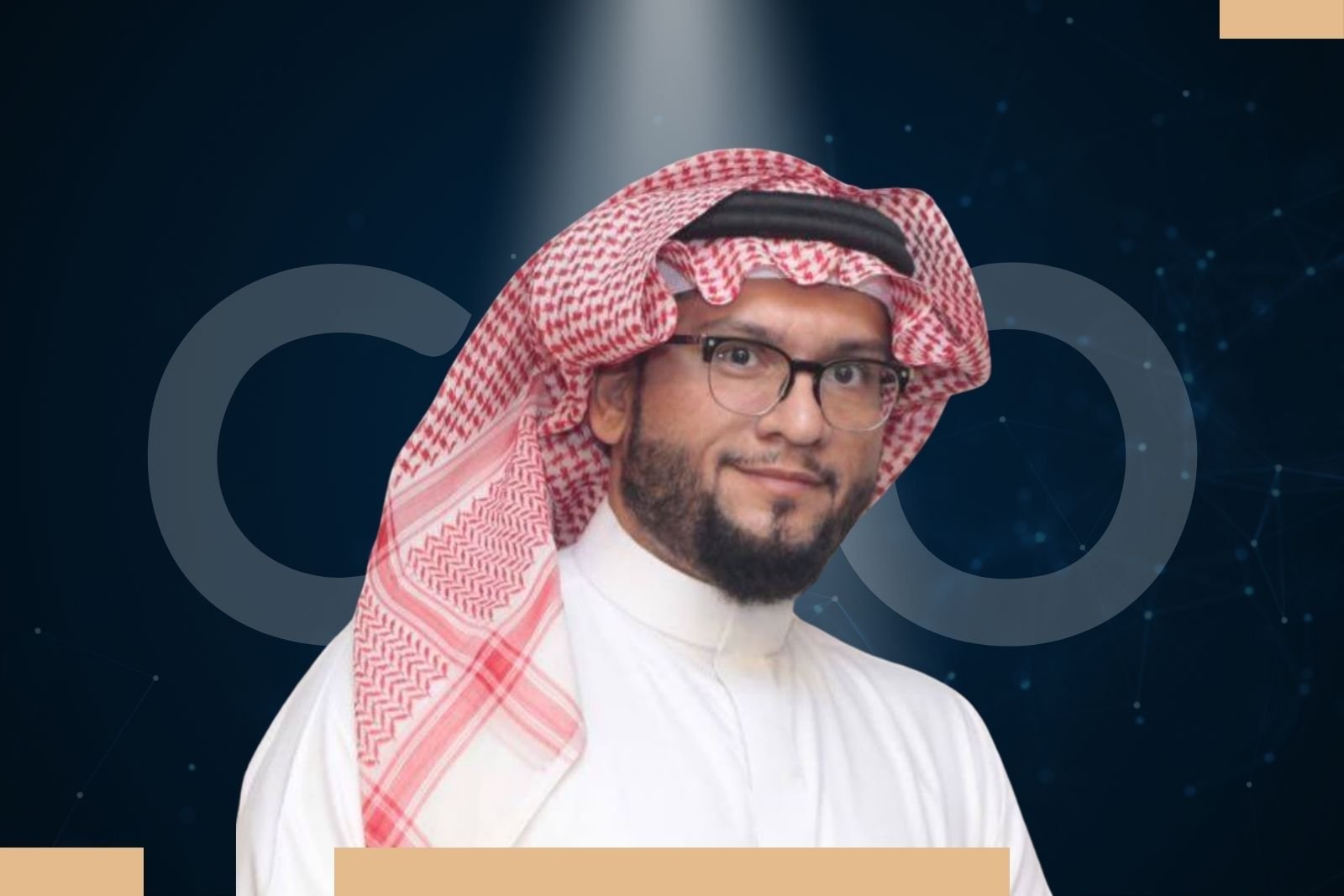
Global enterprise resilience is increasingly decided at the intersection of heavy industrial discipline and digital agility. As supply chains face shifting geopolitical dynamics and industries transition into automated operating models, the executive mandate has evolved. Competitive advantage is no longer sustained merely by expanding physical capacity, but by building organisations capable of transforming operational complexity into measurable enterprise value.
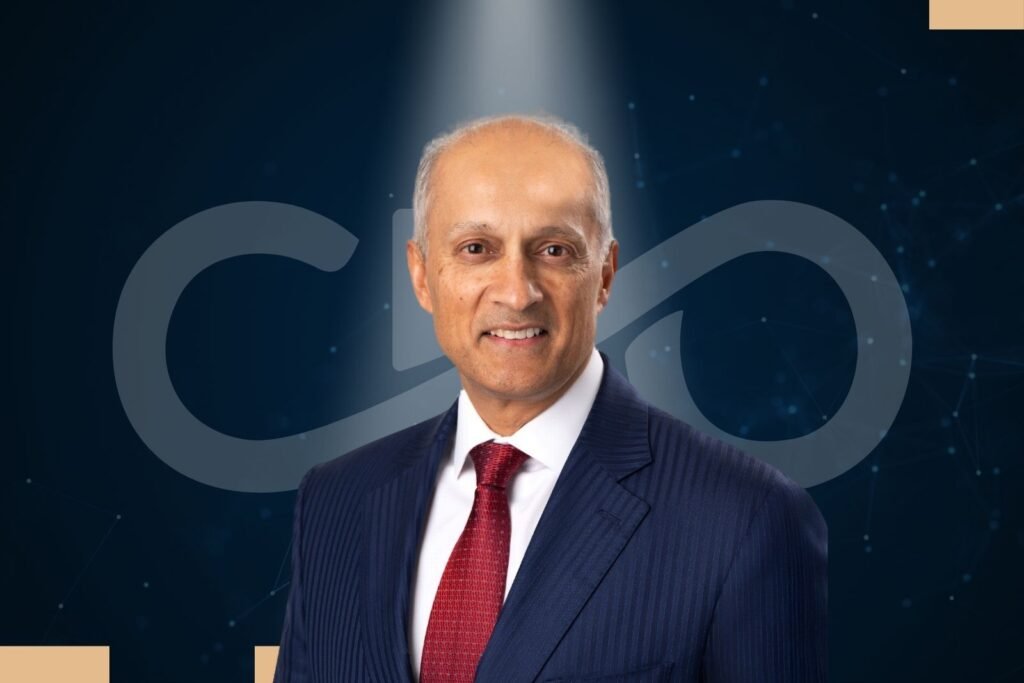
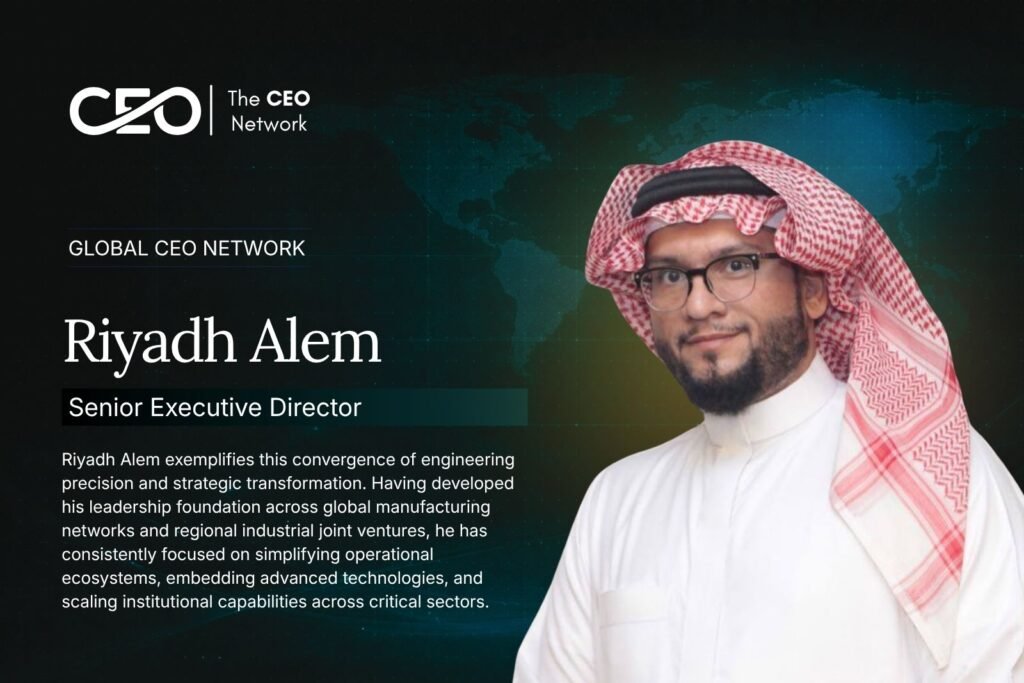
Riyadh Alem exemplifies this convergence of engineering precision and strategic transformation. Having developed his leadership foundation across global manufacturing networks and regional industrial joint ventures, he has consistently focused on simplifying operational ecosystems, embedding advanced technologies, and scaling institutional capabilities across critical sectors.
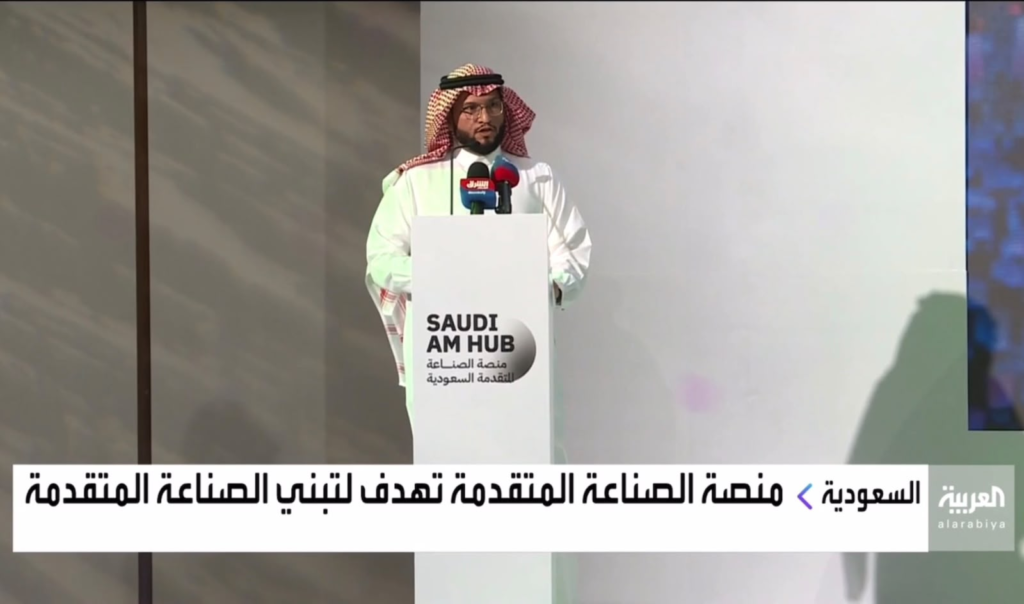
“Industrial leadership achieves enduring value when technical precision is combined with operational simplicity.”
Engineering Discipline as a Strategic Foundation
The capacity to lead complex organisations often stems from a foundational understanding of operational mechanics. Alem’s leadership perspective was forged in large-scale manufacturing and supply network environments where precision, process integrity, and systemic efficiency are non-negotiable.
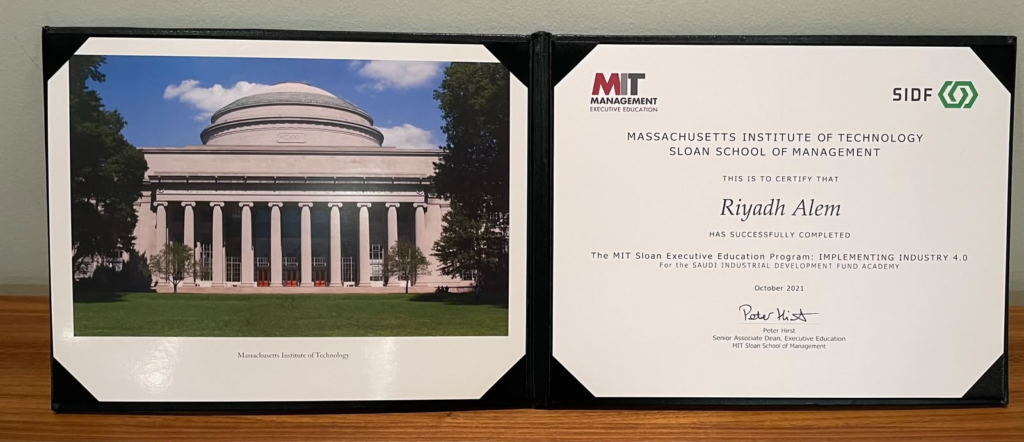
Trained as a mechanical engineer at King Fahd University of Petroleum and Minerals, his approach to enterprise challenges is fundamentally analytical. Across multi-facility environments, he established operating frameworks designed to eliminate friction, enforce rigorous quality protocols, and maintain strict standards of workplace safety and cost governance. This deep grounding in industrial systems established a leadership philosophy that views large-scale operations not as static machinery, but as dynamic architectures requiring continuous refinement.
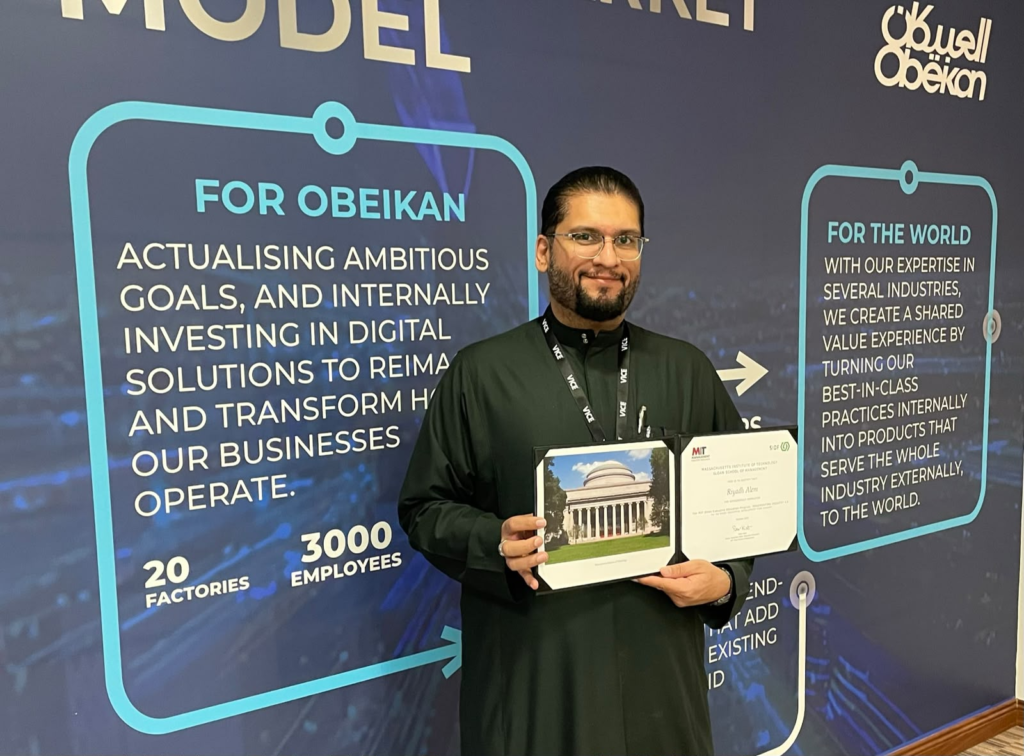
Bridging Physical Manufacturing and Industry 4.0
The Fourth Industrial Revolution has redefined manufacturing from a labour-intensive discipline into a data-driven science. Navigating this transition requires executive leadership that understands both the physical plant floor and the strategic potential of digital infrastructure.
During his stewardship across industrial manufacturing and digital solution platforms, Alem championed the integration of modern digital architectures into traditional industrial ecosystems. By aligning cloud computing concepts, big data frameworks, and automation principles with core manufacturing processes, he demonstrated how legacy operations can achieve higher transparency and predictive agility. His work underscored a vital executive principle: digital transformation is not an end in itself, but an operational accelerator that unlocks capacity, reduces downtime, and sharpens strategic foresight.
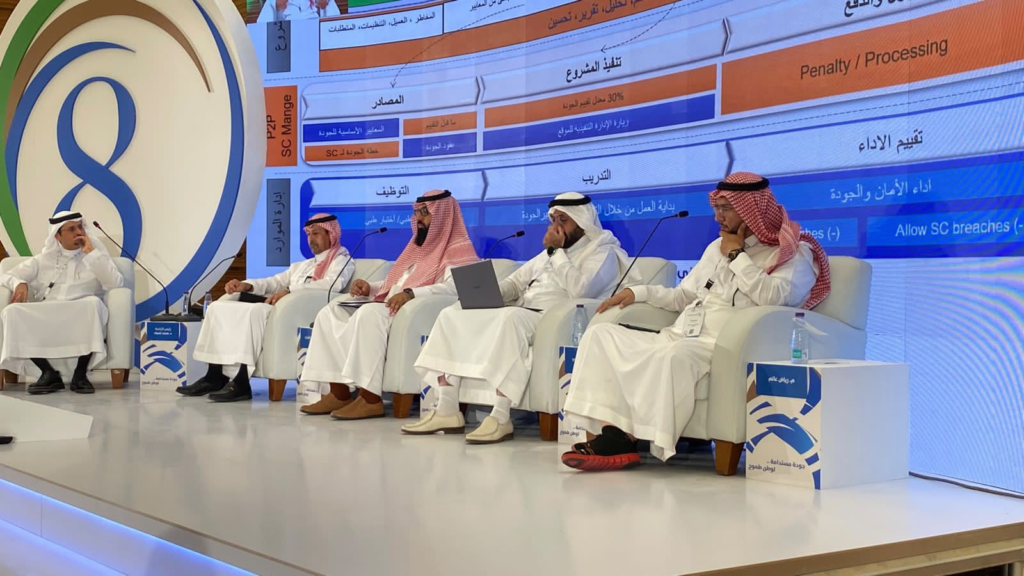
“Technology creates value only when it strengthens human decision-making and clarifies systemic performance.”
Operational Simplification and Value Creation
Complexity is often the greatest impediment to enterprise growth. In high-volume production, packaging, and logistics networks, expanding operations can easily lead to bureaucratic inertia and fragmented execution.
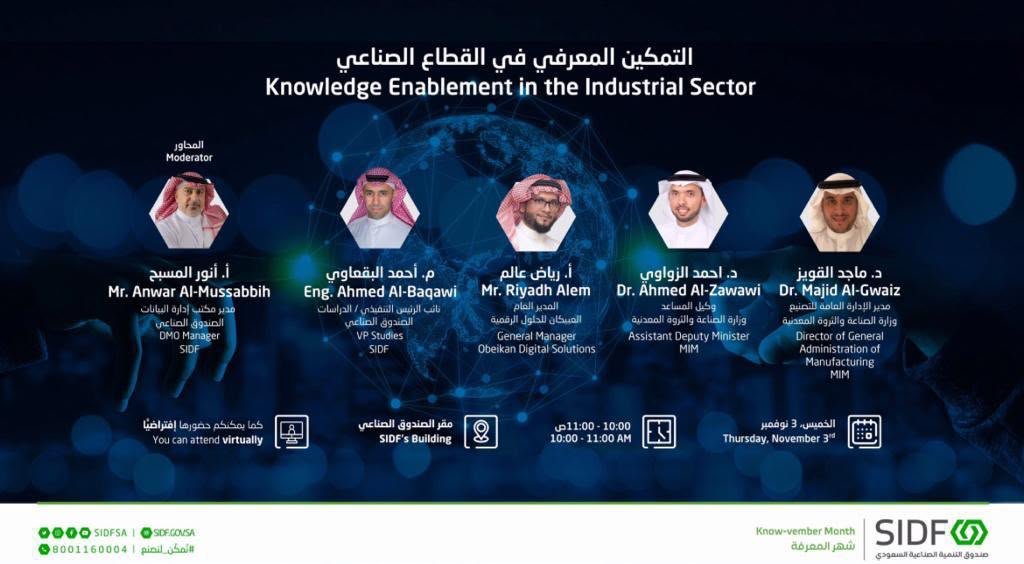
Alem’s executive methodology centres on deliberate simplification. By systematically deconstructing convoluted supply chains and production workflows into transparent, accountable units, his teams consistently delivered sustainable cost improvements without compromising service reliability or output quality. This focus on streamlining processes ensures that capital investments yield measurable returns, enabling organisations to pivot rapidly in response to market demands.
Strategic Focus and Executive Priorities
Navigating institutional transformation across manufacturing, digital services, and corporate sectors requires disciplined focus. His leadership continues to concentrate on:
- Aligning physical supply networks with predictive digital technologies
- Establishing robust operational governance and quality assurance frameworks
- Driving enterprise cost optimisation through process simplification
- Scaling institutional capabilities to meet modern market standards
- Building resilient operational cultures grounded in continuous learning
Cultivating Human Capability in Scaled Enterprises
While automation and digital infrastructure provide the framework for scale, sustainable execution relies entirely on organisational culture. Managing multi-tiered operational divisions requires leadership that balances rigorous accountability with intentional talent development.
Alem’s leadership style places significant emphasis on human capital as an engine of operational reliability. By championing continuous capability development and empowering front-line engineers and line managers, he builds teams capable of autonomous decision-making. This people-centred approach ensures that when high-performance standards are introduced, they are embraced across every layer of the organisation rather than imposed from above.
“Sustainable performance is built long before it is tested, rooted in the collective capability of empowered teams.”
Cross-Sector Translation of Operational Mastery
The ultimate test of executive acumen is the ability to transfer proven operational principles into new corporate domains. The governance models, process disciplines, and performance management structures refined in world-class manufacturing apply directly to broader corporate strategy and institutional leadership.
Alem’s transition into senior executive leadership within modern enterprise environments demonstrates the universal value of operational mastery. By approaching enterprise challenges through the lens of efficiency, risk mitigation, and digital enablement, he provides the structured governance necessary to support ambitious corporate expansion and long-term value creation.
Recognition by Global CEO Network
The modern global economy demands leaders who can bridge the gap between high-level strategic vision and operational execution. Riyadh Alem represents this standard of leadership, combining decades of deep industrial expertise with a forward-looking commitment to digital innovation and organisational agility.
His contribution illustrates how engineering discipline, operational simplification, and strategic modernisations build resilient organisations capable of sustained market leadership. Through his track record of transforming operations into engines of efficiency and growth, he exemplifies the executive foresight driving contemporary industrial and corporate excellence.
Connect with him on LinkedIn