



Now Reading: Mohamed Bedeir: Navigating Strategic Growth in Egyptian Banking
-
01
Mohamed Bedeir: Navigating Strategic Growth in Egyptian Banking
Mohamed Bedeir: Navigating Strategic Growth in Egyptian Banking
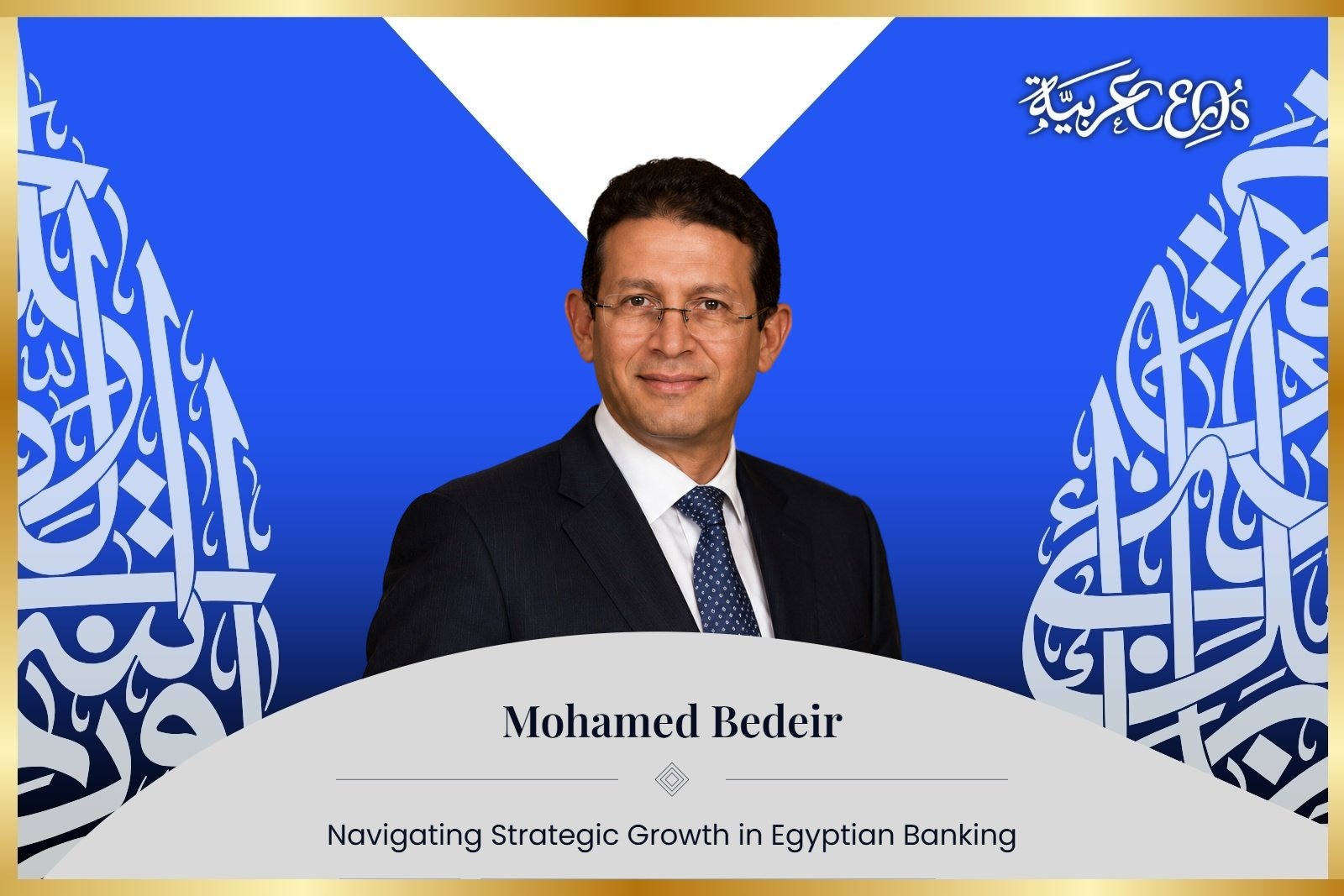
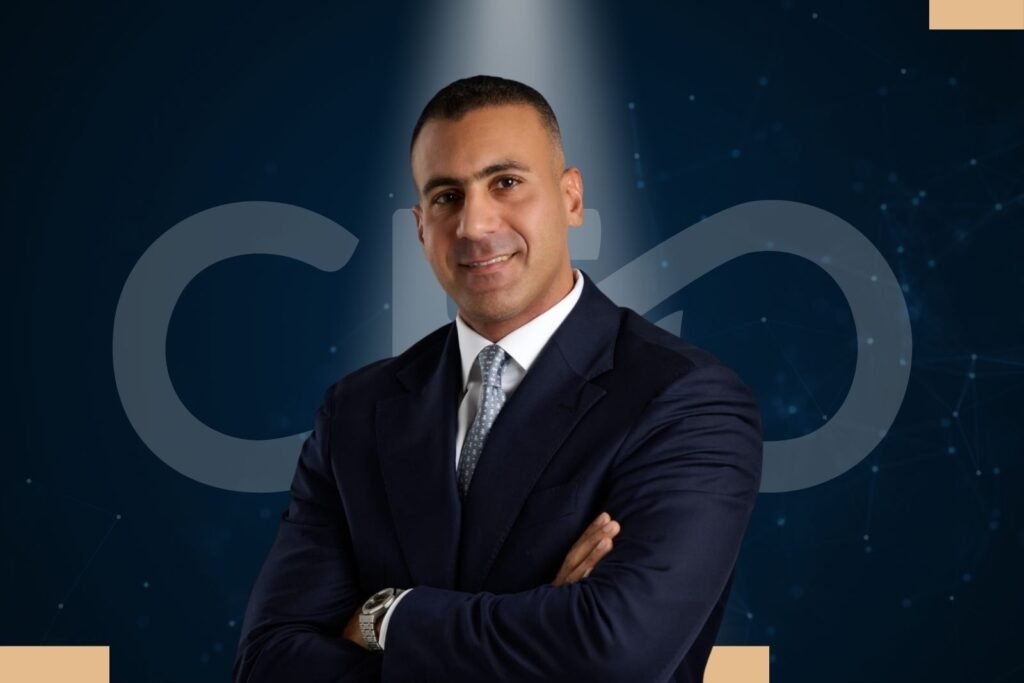
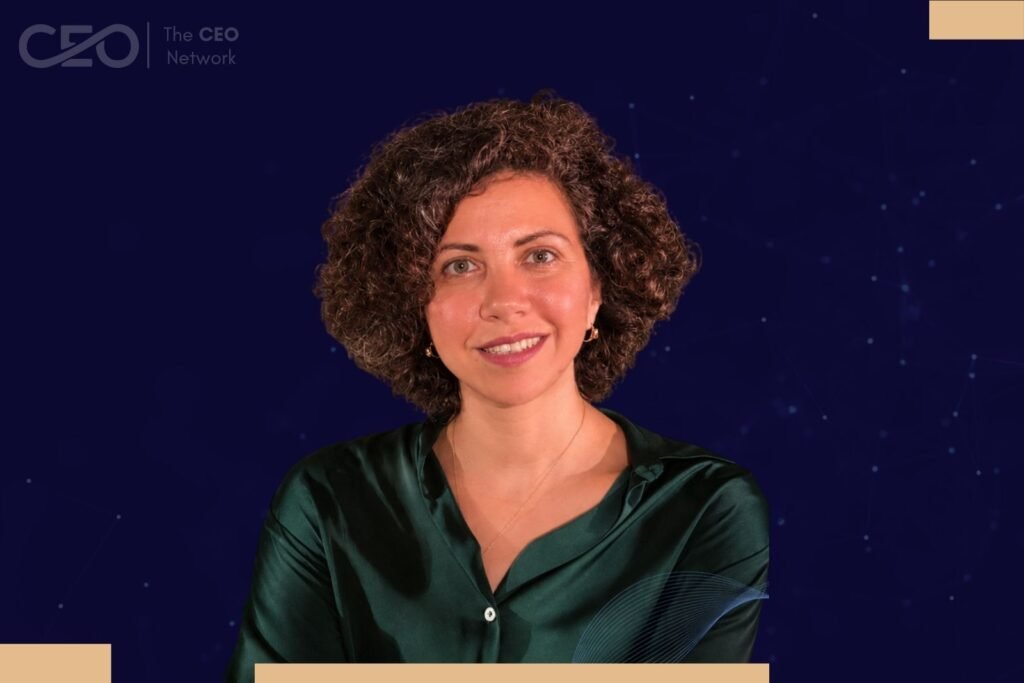
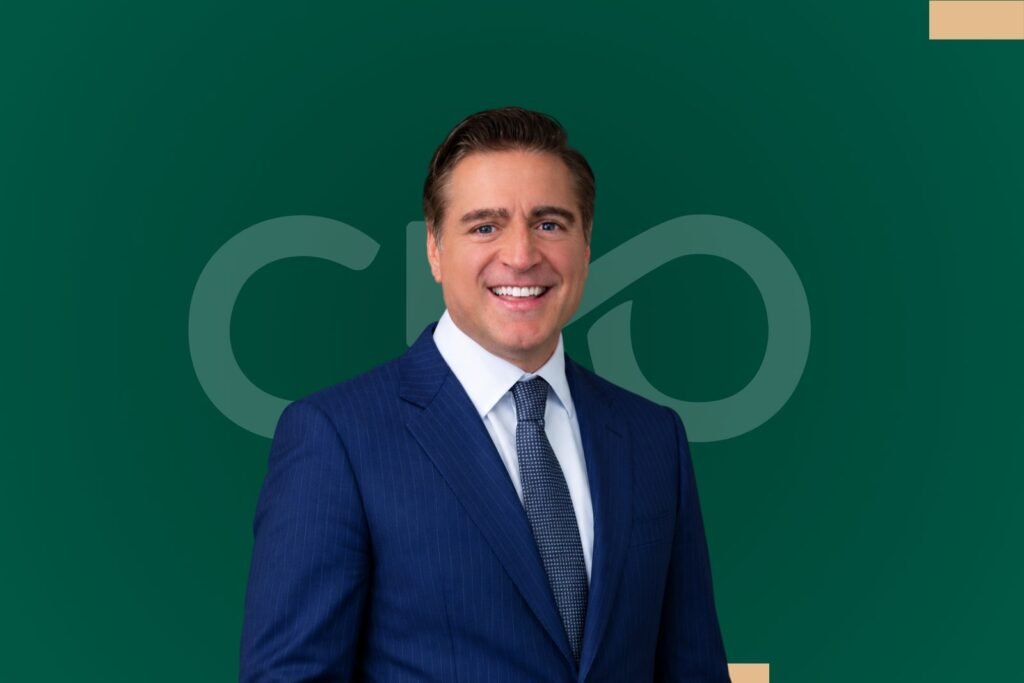
Mohamed Bedeir, Chief Executive Officer at QNB Al Ahli-Egypt, brings a focused, analytical approach to the demands of modern financial leadership. Since his appointment in September 2021, he has navigated the complexities of the Egyptian banking sector by prioritising governance, liquidity management, and the integration of digital capabilities. His tenure reflects a consistent effort to balance traditional stability with the agility required in a rapidly changing market.
A Foundation in Financial Governance
Bedeir’s professional history is rooted in extensive experience within the banking sector. During his tenure as Chief Executive Officer and Managing Director at Bank Audi-Egypt from 2019 to 2021, and his earlier three-year role as Deputy Managing Director, he directed daily operations and managed critical credit approval processes. This period was marked by the successful implementation of Basel III standards, a foundation that currently informs his approach to risk and regulatory oversight.
Navigating the shift toward Basel III standards required a deep understanding of capital adequacy and the regulatory expectations of the Central Bank of Egypt. By managing this transition, Bedeir developed the capacity to oversee institutional-wide compliance. These experiences provided the essential groundwork for his current responsibility of leading a major bank through an era of heightened regulatory expectations and broader economic shifts.
Effective banking leadership today hinges less on grand visions than on the disciplined translation of regulatory demands into everyday operational excellence.
Strengthening Institutional Resilience
At QNB Al Ahli-Egypt, Bedeir oversees strategic planning by aligning growth initiatives with broader economic trends. He maintains a focus on treasury functions and liquidity management, particularly in response to shifting reserve requirements set by the Central Bank of Egypt. This rigorous approach is designed to ensure the institution remains capable of supporting its corporate clients through periods of market volatility.
His role involves constant monitoring of market signals to protect the quality of the bank’s loan portfolio. By maintaining disciplined capital allocation, he ensures the institution remains stable during periods of economic adjustment. This commitment to risk-adjusted performance reflects a focus on sustaining the bank’s core assets while balancing the needs of the broader Egyptian corporate landscape.
Bridging Tradition and Digital Innovation
Recognising that modern banking requires a blend of legacy stability and digital adaptation, Bedeir has pursued strategic collaborations with regional fintech firms. By integrating mobile payment solutions and data-driven underwriting tools, the bank enhances its service delivery. These efforts are not merely technical adjustments; they represent a deliberate effort to refine credit-scoring models and improve the accuracy of risk assessments within the bank’s existing architecture.
Modernising a traditional banking structure requires careful integration of new technologies into existing service offerings. Bedeir’s focus on these collaborations demonstrates a pragmatic approach to digital disruption. By adopting tools that improve real-time loan underwriting, he positions the bank to remain competitive in a landscape where speed and data accuracy are increasingly vital for customer retention and service efficiency.
Developing Leadership and Talent
Bedeir places significant emphasis on human capital as a pillar of long-term success. His focus on internal development is evidenced by the introduction of programs that connect senior executives with emerging talent. By fostering an environment of continuous learning and cross-functional exposure, he aims to prepare the next generation of leaders to navigate the intersection of traditional financial expertise and technological transformation.
Mentorship initiatives are designed to bridge the gap between legacy institutional knowledge and contemporary market needs. By linking senior leadership with high-potential analysts, Bedeir creates a structure where the bank’s internal culture is constantly refreshed. This investment in the talent pipeline is essential for maintaining institutional continuity in a sector currently experiencing rapid technological and regulatory evolution.
Recognition by The Arab CEOs
The career of Mohamed Bedeir serves as an example of how deep technical expertise can be applied to steer large financial institutions through complex regulatory environments. His approach to blending disciplined governance with a forward-looking digital strategy provides a model for sustaining institutional relevance in a competitive market.
By prioritising both the technical requirements of the sector and the development of its people, he ensures that the institutions he leads remain well-positioned for the future. His career continues to reflect a dedicated contribution to the standards and stability of the Egyptian banking sector.