






Now Reading: Mana Alkhamsan: Orchestrating Institutional Transformation for Financial Excellence
-
01
Mana Alkhamsan: Orchestrating Institutional Transformation for Financial Excellence
Mana Alkhamsan: Orchestrating Institutional Transformation for Financial Excellence
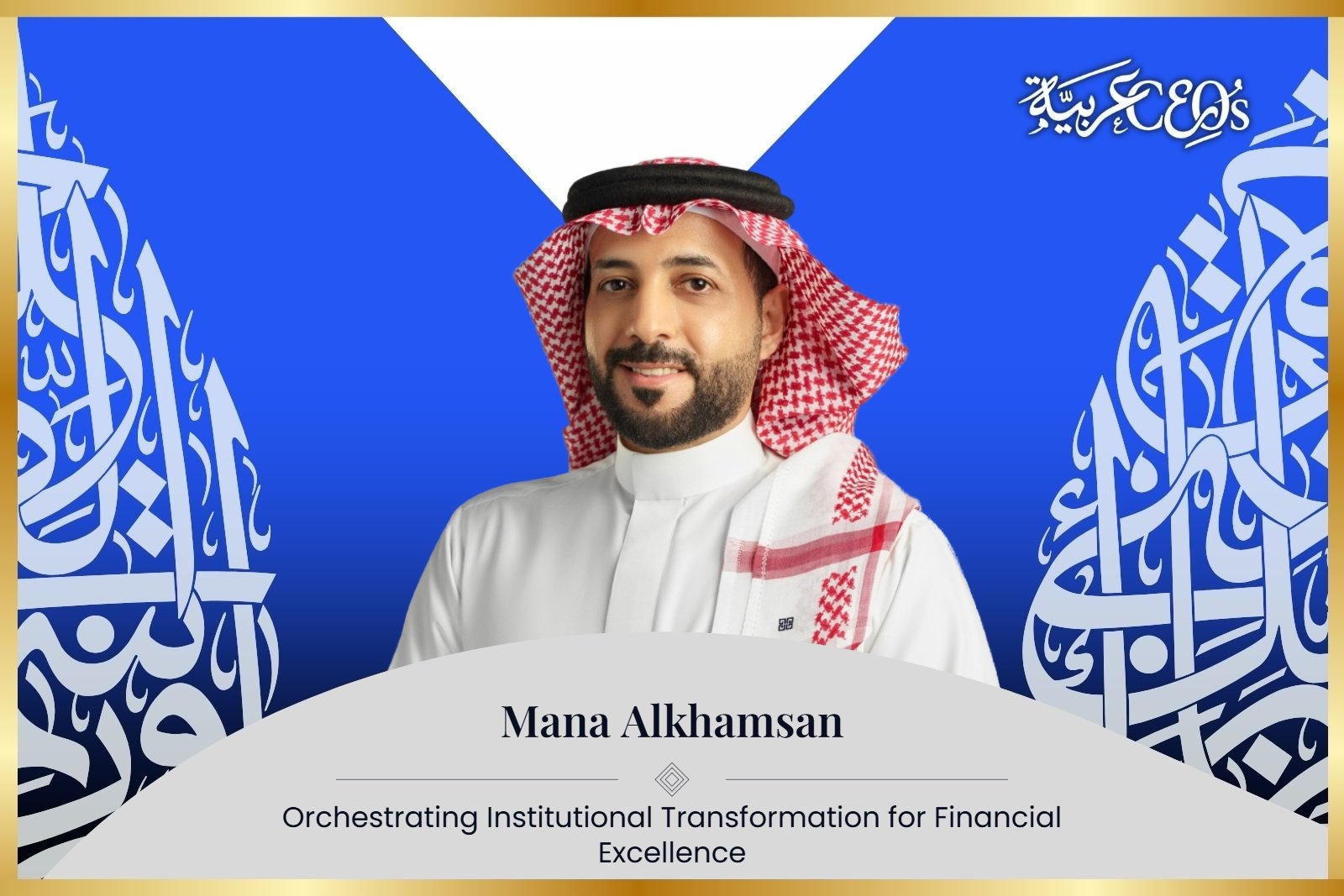
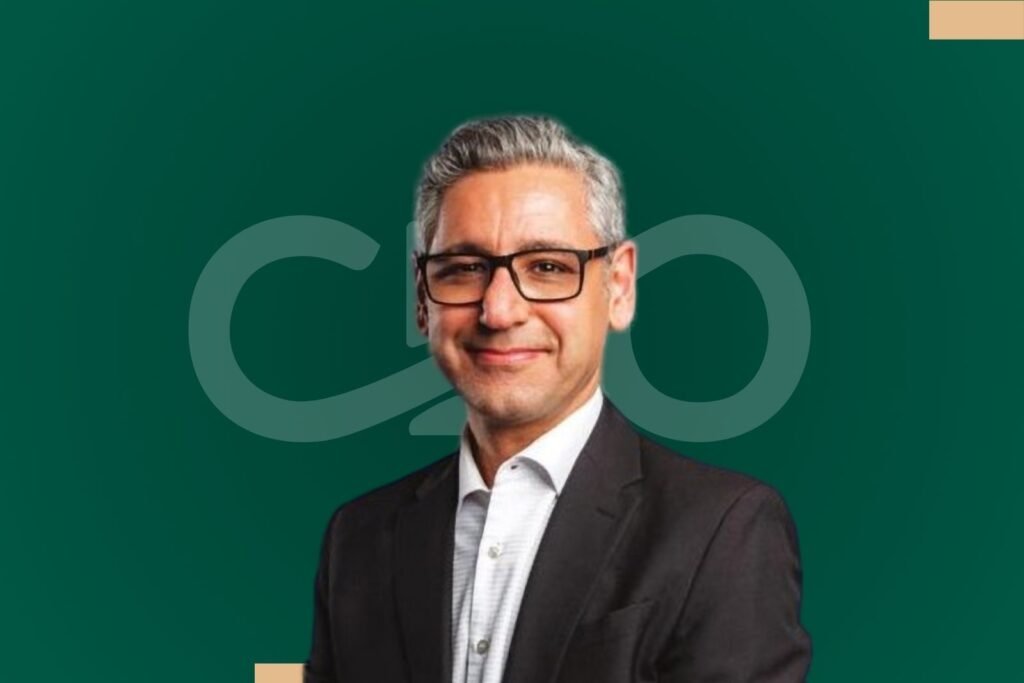
When a national institution grows its revenues by 2,900 percent in under six years, the accomplishment is rarely the result of a single initiative. For Mana Alkhamsan, CEO of the Financial Academy, this growth reflects a strategic pivot from providing examination-only services to fostering a comprehensive ecosystem for professional development. By expanding the Academy’s mandate to encompass the entire financial sector, he has repositioned the institution as a central pillar of national talent development.
This shift required more than operational adjustment; it demanded the creation of a national competency framework. Alkhamsan integrated artificial intelligence to refine workforce assessment and define clear career pathways across banking, insurance, and capital markets. This foundation ensures that professional training is not a static requirement, but a dynamic tool that evolves in lockstep with the broader financial services landscape.
Establishing a National Platform
The transformation of the institution required careful coordination between the Saudi Central Bank and the Capital Market Authority. As the Financial Academy evolved, Alkhamsan prioritised continuity, ensuring that core training services remained uninterrupted while the organisation established its new operational and institutional base. He built internal capabilities from the ground up, recruiting foundational staff who shared the mission of scaling the Academy into a sustainable national enabler.
Today, the Academy’s influence extends far beyond basic certification. By launching specialized executive programs, hosting international conferences, and fostering applied research, the institution has become a hub for sector-wide engagement. This model relies on cross-functional committees that align training programs directly with the evolving needs of market participants, ensuring that development remains a priority for every stakeholder.
True institutional transformation is measured by the ability to build scalable, sustainable models that translate broad national mandates into tangible professional outcomes.
Developing Governance and Oversight
Alkhamsan’s approach to leadership is informed by his extensive background in program design and accreditation. During his earlier tenure at the Institute of Public Administration, he led efforts to align institutional quality with national standards, an experience that remains central to his current focus on governance. He brings this technical rigour to his role as a member of the Financial Academy Board of Trustees, where he oversees the institution’s long-term strategic direction.
Beyond his direct leadership, he contributes to regional governance through the GCC Board Directors Institute. As a member of its Advisory Committee for Board Directors Training, he helps shape curricula that address the sophisticated demands of executive and board-level leadership. This work emphasises that effective governance requires constant investment in professional capability.
Institutional resilience is strengthened when professional development is treated as an essential component of corporate governance rather than a secondary human resources function.
Strengthening Capability Across Sectors
His expertise in capability building has led to advisory roles that reach across industry lines, including his contribution to the Communications, Space and Technology Commission for the establishment of a digital regulations academy. By applying the same strategic foresight to the telecommunications sector, he supports the creation of talent pipelines that are prepared for the challenges of digital transition.
Similarly, his work with the Supervisory Committee for Capability Development in the Insurance Sector highlights a commitment to sector-specific readiness. In every capacity, Alkhamsan focuses on creating sustainable frameworks that prepare professionals for the future of their respective industries. His career reflects a methodical progression from faculty-led training to high-level strategic governance, consistently bridging the gap between educational methodology and industry impact.
Recognition by The Arab CEOs
Mana Alkhamsan provides a blueprint for leaders tasked with navigating large-scale institutional change. His work at the Financial Academy demonstrates how focusing on transparency, sustainability, and clear competency frameworks can turn a public mandate into a high-performing professional ecosystem. By fostering deep collaboration between regulatory bodies and market participants, he has successfully positioned his organisation as a cornerstone of the Kingdom’s economic development.
For leaders across the region, his contributions serve as a thoughtful reminder that lasting institutional growth requires patience, a focus on internal capability, and an unwavering commitment to quality. By treating professional development as an essential pillar of corporate governance, he ensures that the institutions he leads remain responsive, relevant, and ready for the future of the global financial sector.