

















Now Reading: Estimé Aristomene, Jr.: Reimagining Career Technology for a More Human Future of Work
-
01
Estimé Aristomene, Jr.: Reimagining Career Technology for a More Human Future of Work
Estimé Aristomene, Jr.: Reimagining Career Technology for a More Human Future of Work
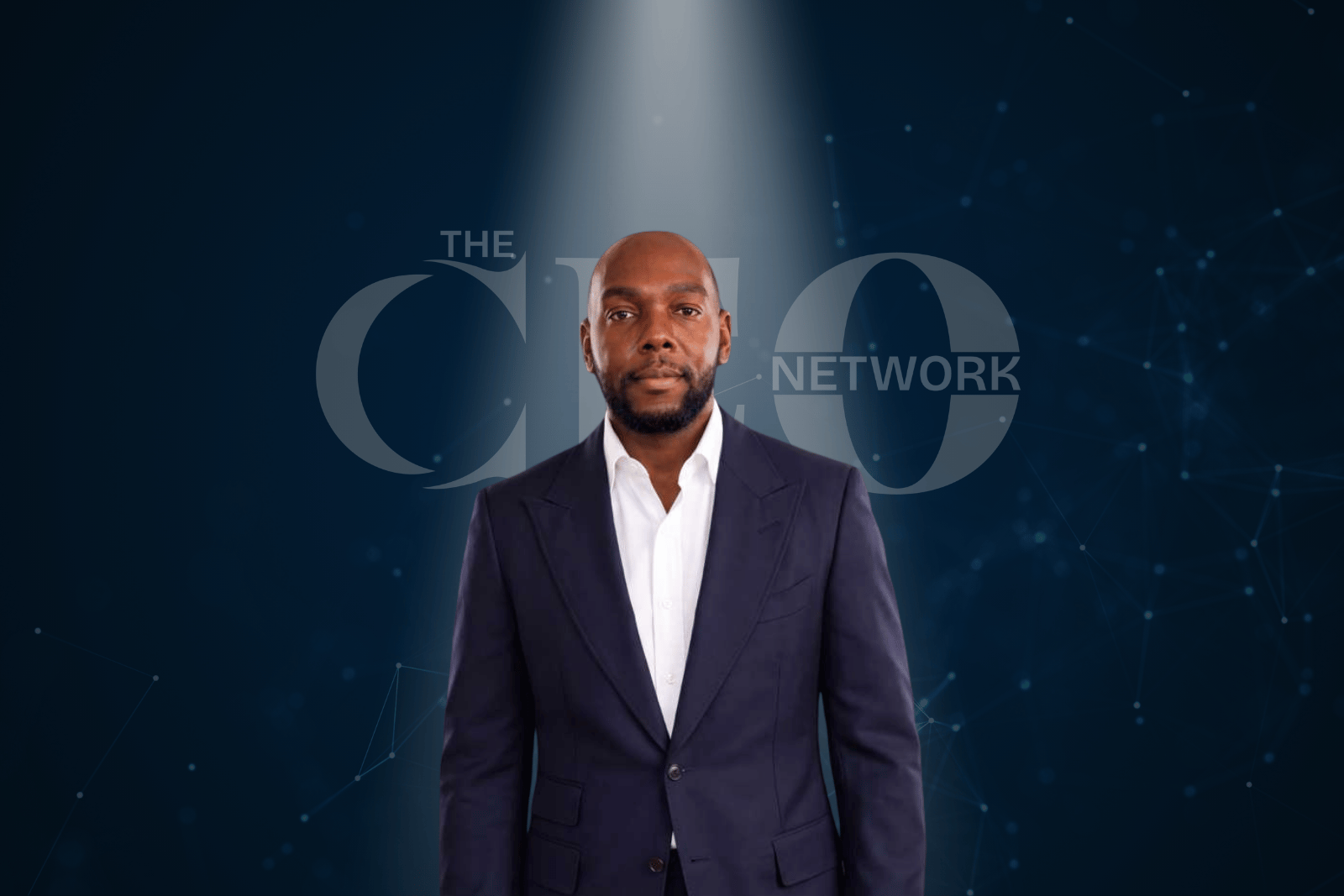
The modern job search has a quiet problem. Before a person has the chance to explain what they can do, software may already have decided whether their résumé deserves to be seen.
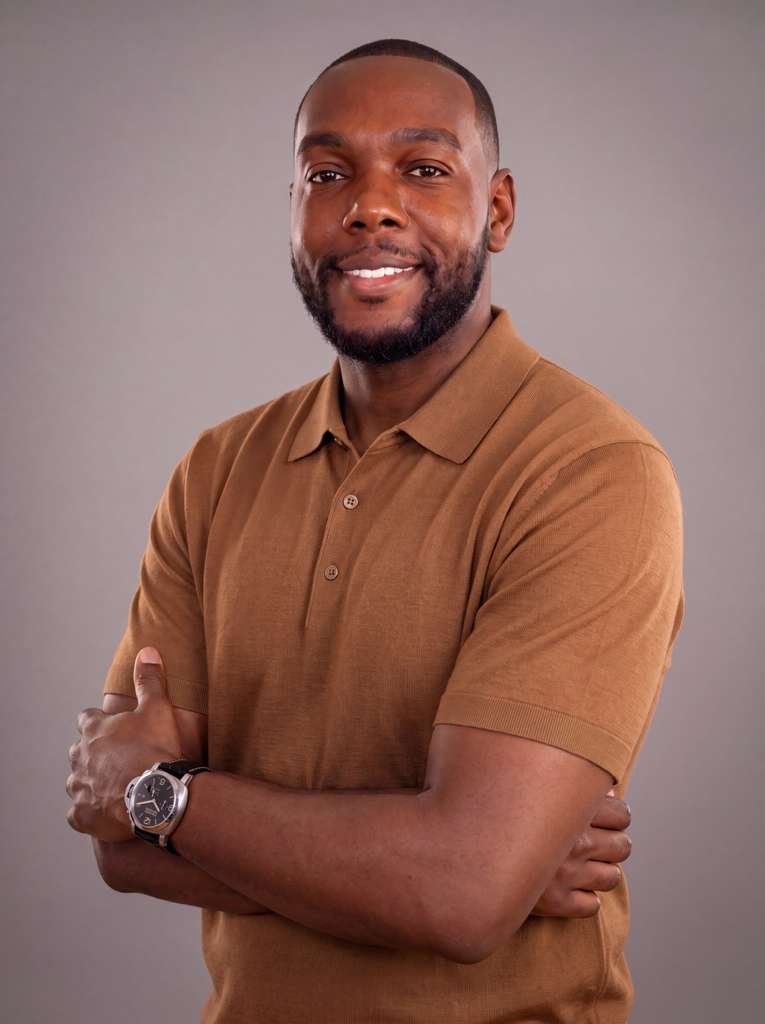
Estimé Aristomene, Jr. spent a decade building the kind of systems that make those decisions. Then he moved to the other side of the screen.
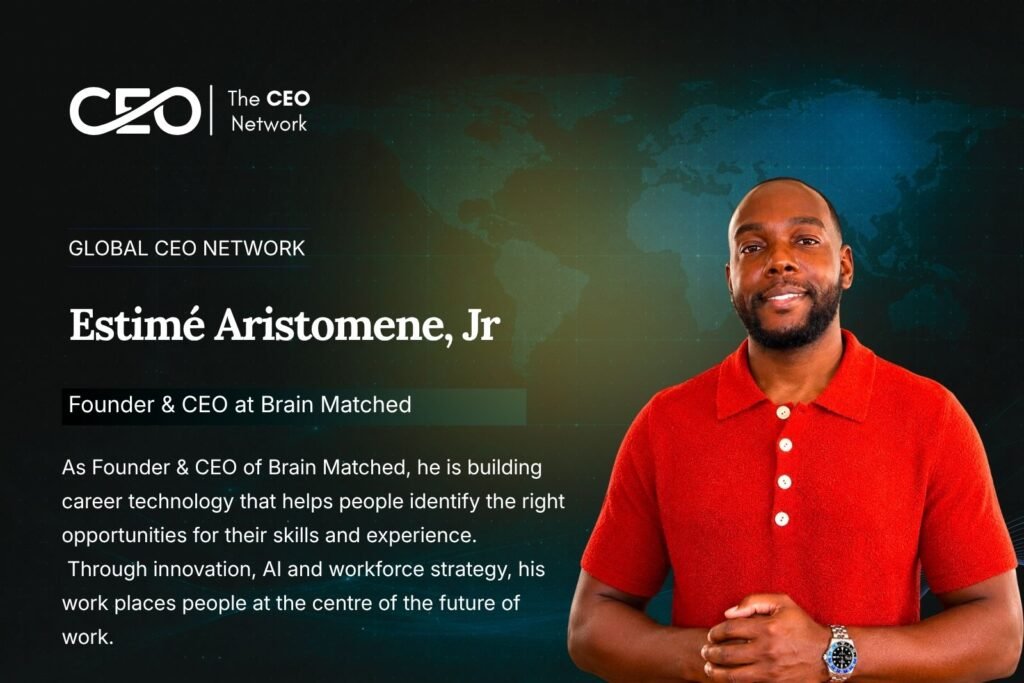
He is the founder and CEO of Brain Matched, a career technology platform built around a question most job tools skip: not how to apply, but where your experience can actually take you. It is a small distinction with large consequences. In a crowded employment market, knowing where to apply can matter as much as knowing how.
From Building Systems to Rebuilding the Career Search
Brain Matched started with a question that still sits at the center of Aristomene’s work. What happens when technology becomes better at filtering candidates than at helping candidates understand their own possibilities?
The platform is his answer. Rather than treating the application as the whole job, it helps people see the adjacent roles they could credibly move into based on work they have already done, then carries them through to an offer.
He founded the company in June 2025 and has stayed close to the work since, across product, engineering, design and editorial.
“The future of work should make opportunity easier to understand, not harder to reach.”
Building Technology Around Real People
The philosophy shows up in the product decisions.
Brain Matched runs as a web application alongside native iOS and Android apps, both live in their stores. It currently features more than 100k active job openings from over 1,200+ employers, with every listing growing daily and linking candidates directly to the employer’s own application system.
Those openings are ingested from employers’ applicant tracking systems rather than scraped from job boards. The difference is not technical trivia. It means a candidate lands on the employer’s own posting instead of an intermediary’s copy of it.
The number Aristomene cares about more is a different one. Every job listing that carries a posting date was posted within the last 30 days, and not one is older than 90 days. Roughly one in nine listings arrives from an employer’s system without a date attached, and Brain Matched shows that gap rather than filling it with an estimate.
Stale and expired postings are a familiar frustration in online job search. Pruning them is unglamorous work that no user will ever thank a company for. It is also the difference between a listing and a lead.
When Data Needs to Be Defensible
Aristomene’s approach is shaped by years spent close to compliance, and to systems that made decisions about people who never saw them.
That background produced a firm principle at Brain Matched. Technology should not present certainty where the underlying data cannot support it. The platform has no readiness scores, no streak counters, no badges resting on whatever a user typed into a form.
The principle shows up in places most people will never see. When Brain Matched tailors a résumé to a specific job, it refuses any generated sentence containing a number the person’s own résumé does not already contain. It will not let a rewrite claim a job title the candidate has never held, including the title of the job being applied for, which is the first thing a language model reaches for when it is optimizing for keyword match. If a posting is too thin to read properly, the platform goes and fetches the full description from the employer. If it still cannot read it, it says so rather than tailoring against fragments.
That is a demanding standard in an industry where engagement metrics tend to become the objective. For Aristomene, it is not a constraint on the product. It is the product.
“Technology earns trust when every claim it makes can withstand scrutiny.”
A Different Position on Access
Brain Matched is free for job seekers.
Aristomene describes this as a deliberate choice rather than a growth tactic, and one he intends to hold for as long as the company can carry it. His reasoning is plain. The tools people need most during a job search tend to cost the most at exactly the moment they can least afford them.
The decision says something about the wider purpose. The company is not trying to make applications marginally more efficient. It is trying to make career technology useful at a point when uncertainty, information overload and automated screening make the process genuinely hard.
From JPMorgan Chase to Entrepreneurship
Before founding Brain Matched, Aristomene spent more than a decade at JPMorgan Chase, working at the intersection of technology, data, financial services and organizational change.
He rose from Analyst to Senior Vice President for global technology strategy and operations, partnering with senior leadership on technology, data and AI strategy across an organization spanning more than 700 people, five countries and more than 60 applications. Earlier, at J.P. Morgan Private Bank, he held senior technology and front office roles working across product, design, engineering, investment teams, operations and client service.
Those years put him inside large and complicated systems, where technology had to work across people, processes and institutions at once, and where being approximately right was not good enough.
The Experience Behind the Experiment
His foundation reaches further back, into capital markets and enterprise technology.
At Wipro he led capital markets anti money laundering and trade surveillance implementations for Credit Suisse’s Private Wealth Management. At Intersys he worked on enterprise data and analytics for GroupM agencies within WPP. Earlier still, as Principal Consultant in capital markets technology at Prospect 33, he advised senior stakeholders at Barclays Capital on platform strategy, risk, regulatory readiness and large scale technology execution.
He is also, by his own description, a self taught engineer who studied business at BMCC and NYU. The combination is unusual and it explains a lot about the company he built: someone who learned to write the code and also learned what happens when a system gets a person wrong.
That perspective now sits behind a platform built around another high stakes system, the labor market.
Writing the Playbook for Automated Hiring
Aristomene has written two books alongside the platform.
Bridging the GAP came first. Beat the Bots: Build a Résumé That Gets You Hired in the Age of AI Using ChatGPT, Gemini and Claude followed, built on an eleven step framework for getting a résumé past automated screening and in front of the person who actually decides.
The books and the platform address different halves of the same problem. If software increasingly determines which candidates reach a human being, people need to understand how that software reads them. But they also need a better answer to the more basic question of where their experience can take them next.
“When technology changes the doorway to opportunity, people need better maps, not simply better applications.”
Building With a Higher Standard
Aristomene still works directly across Brain Matched’s product, engineering, design and editorial functions.
Recent work has included rebuilding the mobile product from a webview into a native React Native application and taking it through App Store and Google Play review, building a moderated community where blocking and anonymity are enforced at the database level rather than in the interface, and building the employer direct ingestion pipeline that keeps the job corpus current.
Alongside the software, Brain Matched runs an edited workforce desk covering hiring, pay and automation, with dated and sourced reporting. The standard there is deliberately selective, and drafts are rejected before publication when they do not meet it.
It is a distinctive combination. Software infrastructure paired with editorial judgment, held to the same rule: publish what you can support.
Making the Future of Work More Understandable
The future of work is usually discussed in large abstractions. Artificial intelligence. Automation. Changing skills.
Aristomene starts somewhere smaller and more immediate. When technology changes how opportunities get filtered, how does a person work out where they still fit, and where they could go next?
Brain Matched is his answer to that question. Its focus on adjacent roles, employer direct openings, information it can defend and free access reflects an attempt to build around the realities people face rather than around what happens to be easy to measure.
Why It Matters
Aristomene has turned a deeply technical career into a human one without giving up the standards that came with it.
The path ran from capital markets technology through senior technology leadership at JPMorgan Chase and into entrepreneurship. What makes this chapter worth watching is the question driving it. Rather than asking only how technology can make hiring faster, he is asking how it can help people make better decisions about their own working lives in a market increasingly shaped by systems they cannot see.
The most useful technology is not always the technology that does the most. Sometimes it is the technology that helps a person see what is possible next.
Brain Matched is a career technology platform advancing workforce equity, serving job seekers, recruiters and employers. It is free for job seekers and available at brainmatched.com, on the App Store and on Google Play. Estimé Aristomène, Jr. is the author of Bridging the GAP and Beat the Bots, and can be found on LinkedIn.