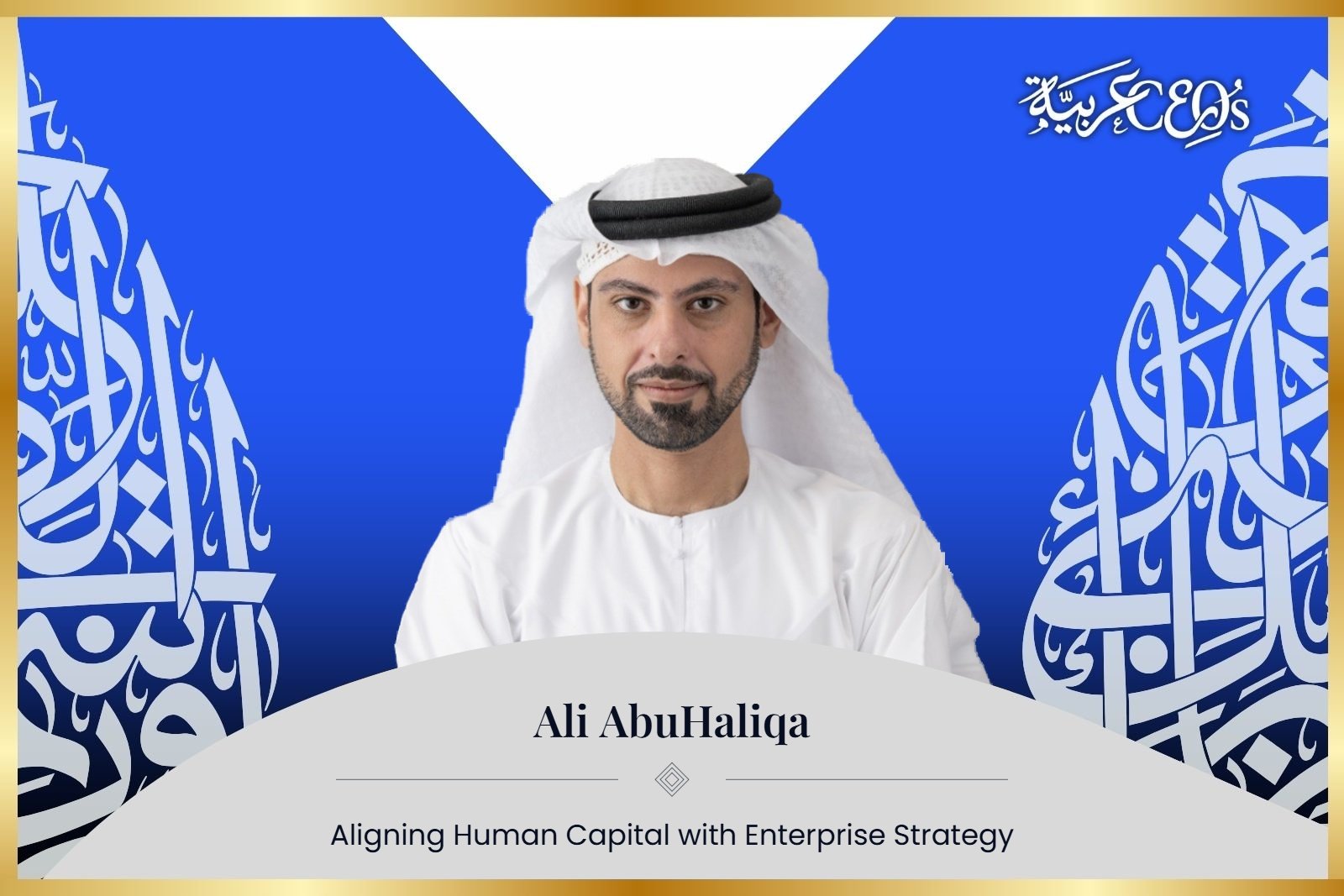
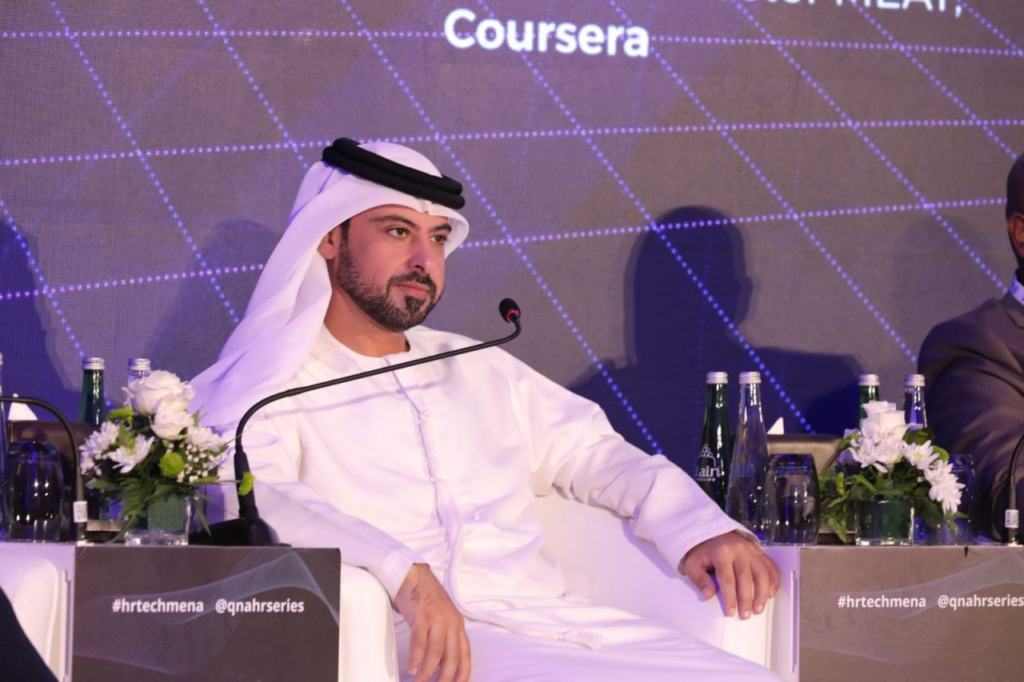
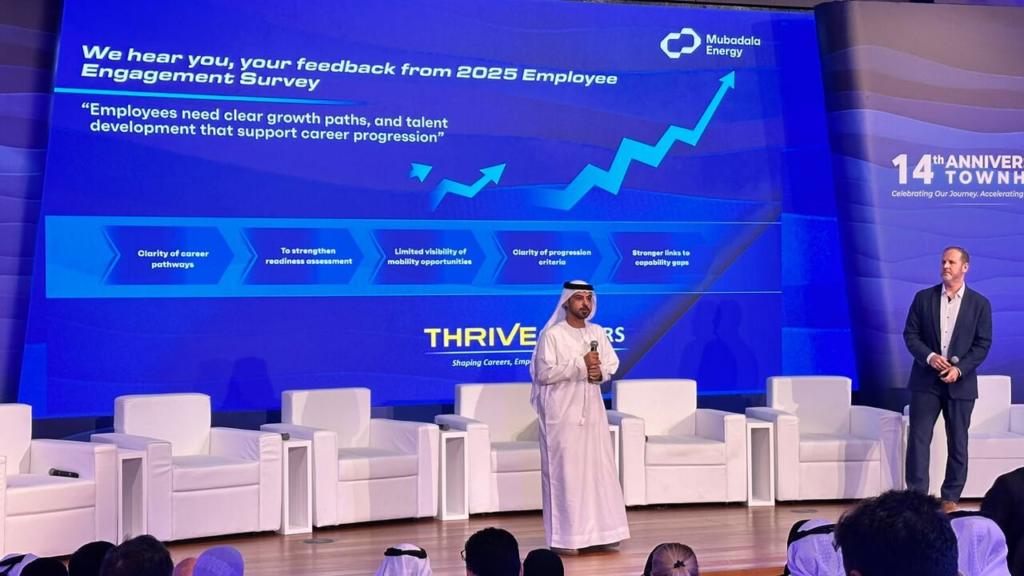
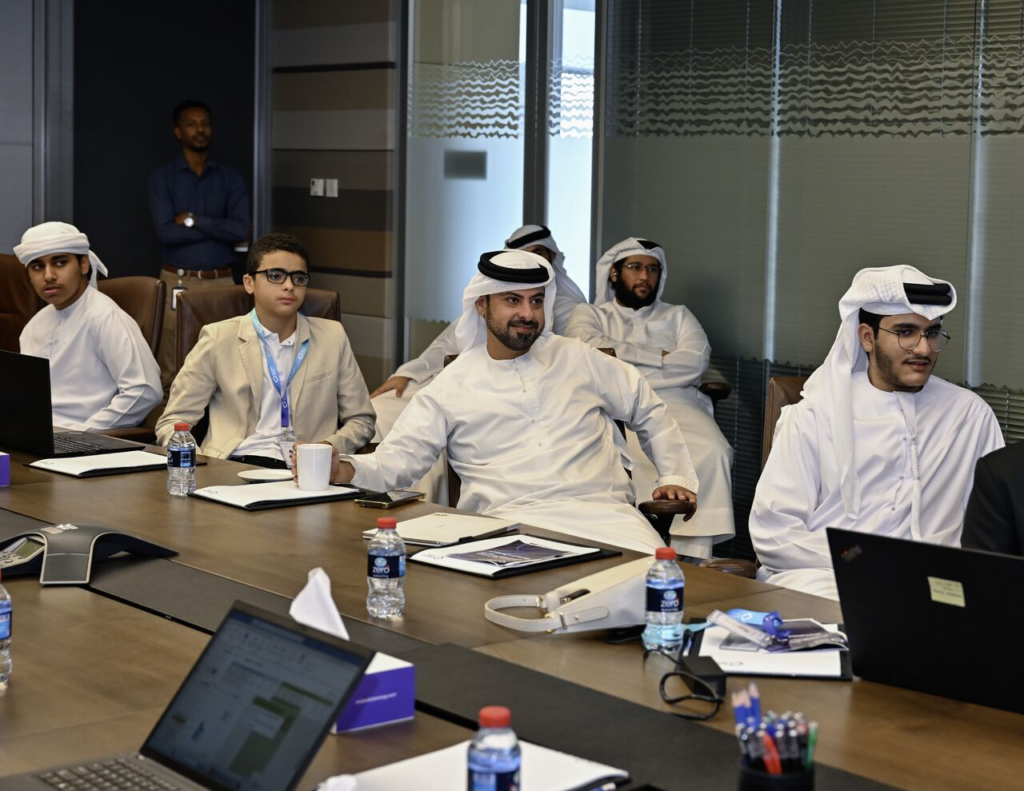
Modern business leadership demands more than operational oversight; it requires a deep integration of people strategy with long-term organisational goals. At the intersection of governance and talent management, Ali AbuHaliqa has developed a career defined by the purposeful alignment of human capital systems with the shifting requirements of global energy operations.
Currently serving as the Executive Director, Human Capital & Deputy Chief Corporate Support Officer at Mubadala Energy, he has helped shift the perception of human resources from a supportive function to a core driver of commercial value. His approach is rooted in a clear understanding that the strength of an organisation is directly linked to the capability, engagement, and alignment of its people.
Strengthening Governance and Reward Frameworks
Effective leadership development begins with the integrity of the structures that support it. As a member of the Dolphin Energy Compensation Committee, AbuHaliqa contributes to board-level oversight of reward frameworks that connect individual performance to long-term business strategy. This role requires a careful balance between market competitiveness and regulatory accountability, ensuring that incentive plans reflect both individual contributions and broader organisational health.
His approach emphasises the role of transparent, performance-linked compensation in maintaining high levels of motivation across diverse international teams.
He works closely with board members to ensure that total rewards packages not only attract top talent but also foster a culture of accountability. By conducting market benchmarking and refining incentive plans, he has helped shape frameworks that are both responsive to regional market conditions and aligned with global best practices.
This work extends beyond simple salary administration; it is a vital component of the corporate governance structure that defines how an organisation values its leaders and holds them to their stated objectives.
A commitment to robust governance ensures that reward strategies serve as both a reflection of company values and a clear signal of expected business outcomes.
Navigating Culture Through Change
Culture is often defined by how an organisation manages its most difficult transitions, particularly those involving asset divestment or significant structural change. During the divestment of mature assets in Thailand, AbuHaliqa spearheaded a clean exit strategy that preserved employee engagement scores while protecting the intrinsic value of the organisation. By maintaining continuity and stability during complex operational shifts, he demonstrated the importance of people-centric planning in maintaining corporate reputation and internal morale.
He has also been instrumental in designing global culture transformation programs that aim to embed organisational values deep within the daily operations of diverse business units. By aligning these cultural initiatives with specific KPIs, such as engagement scores consistently exceeding 86%, he has provided management with a quantifiable view of how cultural alignment impacts overall productivity.
His work in this area recognises that a strong corporate culture is not merely a set of aspirational values, but a strategic asset that requires deliberate design, consistent measurement, and active leadership engagement.
Operational Precision and Data-Driven Insights
Scaling global operations requires a foundation of consistent, reliable data that informs decision-making at every level of the hierarchy. Through the direction of an enterprise-wide Oracle HCM deployment, AbuHaliqa has worked to standardise HR processes across more than 11 countries. These improvements in operational efficiency, which include cutting time-to-hire by 40% and lowering transaction costs by approximately US$2 million annually, have provided leadership with the visibility required to make informed workforce decisions.
Throughout his tenure, he has focused on reducing administrative errors by digitising lifecycle processes and payroll coordination. By implementing scalable systems early in the business lifecycle, he has ensured that organisational growth does not outpace the capability of the support functions to manage it effectively.
The result is a more resilient HR infrastructure that can handle the complexities of multi-company operations while maintaining high levels of service delivery. His commitment to operational rigour is matched by an emphasis on data integrity, which allows for evidence-based discussions at the highest levels of the organisation.
True operational excellence is found in the ability to simplify complex global processes without compromising the human element of organisational management.
Developing Future-Ready Leadership Pipelines
Building a resilient organisation necessitates a long-term view of leadership readiness and succession planning. Over the past several years, AbuHaliqa has developed frameworks for talent mobility that have successfully increased internal promotion rates from 12% to 24%, supporting a steady pipeline of internal candidates for critical roles. By partnering with the C-suite to embed people-related key performance indicators into executive scorecards, he has enabled a more rigorous approach to measuring retention and engagement.
He has also been at the forefront of Emiratisation initiatives, where he managed to increase national representation in key roles by 20% within 18 months. This achievement highlights his ability to align national development objectives with long-term business growth strategies.
By developing robust leadership calibration frameworks, he ensures that the internal pipeline is not only populated but also prepared to meet the demands of a globalised energy sector. His focus remains on building high-performing teams that are capable of operating with a global perspective.
Recognition by The Arab CEOs
As the Executive Director, Human Capital & Deputy Chief Corporate Support Officer at Mubadala Energy, Ali AbuHaliqa represents a shift towards the strategic professionalisation of people management in the Arab region. His focus on governance, combined with his experience in driving cultural and operational transformation across global energy projects, provides a compelling model for leadership.
For the audience of The Arab CEOs, his work illustrates how modern human capital leaders can support board-level objectives, enhance operational governance, and foster a high-performing environment that balances local talent development with international standards. His contribution highlights the essential role that human capital strategy plays in the long-term sustainability and strategic evolution of major regional and global institutions.
By transforming administrative functions into value-driven strategic assets, he encourages a broader understanding of how talent and culture define institutional success in a competitive global economy.