
















Now Reading: Adeel Arif Khan: Advancing Quality, Accountability, and Project Excellence in Renewable Energy
-
01
Adeel Arif Khan: Advancing Quality, Accountability, and Project Excellence in Renewable Energy
Adeel Arif Khan: Advancing Quality, Accountability, and Project Excellence in Renewable Energy
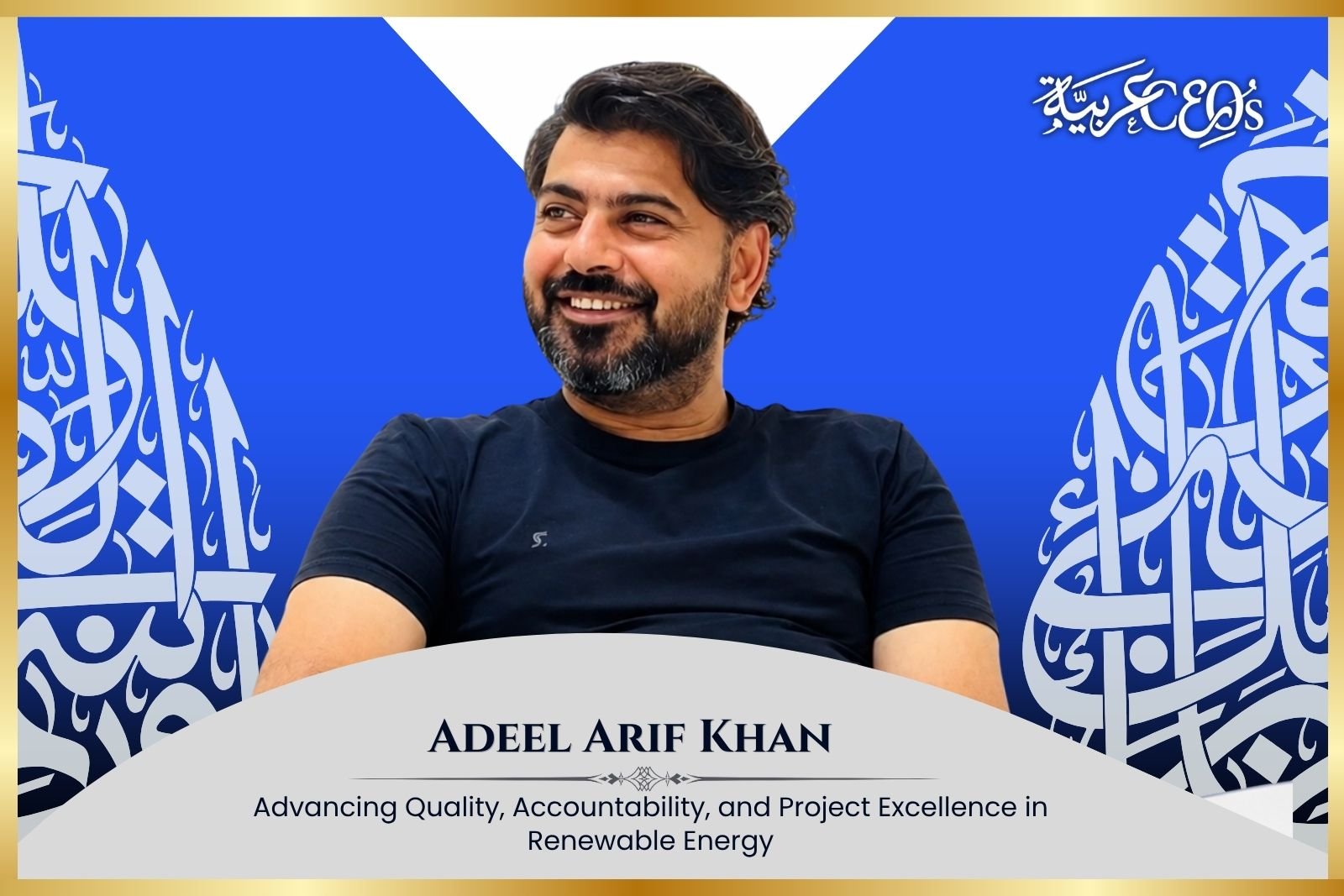
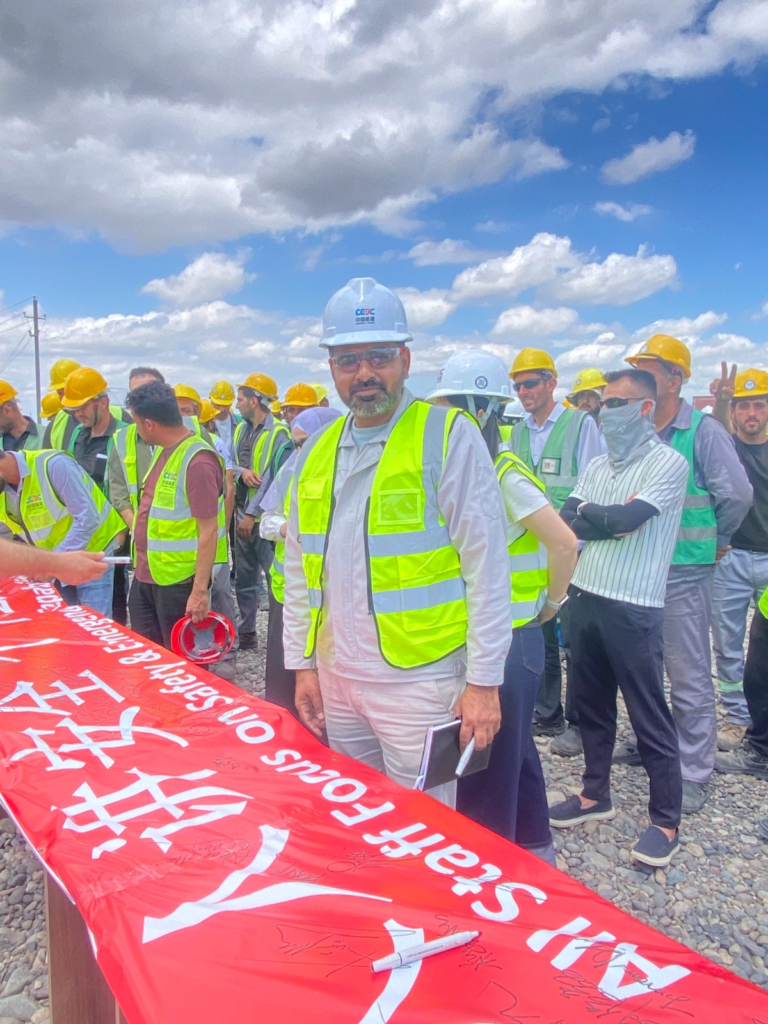
In large-scale renewable energy projects, quality is not a final checkpoint. It is a discipline that must remain embedded throughout planning, construction, inspection, coordination, and delivery. The scale of a project such as the 445 MWAC PV Project in Bilasuvar, Azerbaijan makes that discipline particularly important, requiring technical teams and project leadership to maintain consistent standards across a complex and evolving site environment.
Against this backdrop, Adeel Arif Khan has contributed to the project’s quality assurance and quality control efforts under NWEPDI AZ LLC, with a focus on team performance, quality standards, continuous improvement, and effective project execution.
His recent work also reflects an aspect of leadership that is sometimes overlooked in technically demanding projects: recognising the people whose discipline and commitment make quality possible.
Making Quality a Collective Responsibility
Quality management within a major solar project involves much more than checking completed work. It requires processes that identify potential issues, maintain compliance with specifications, support corrective action, and encourage teams to take ownership of standards throughout project execution.
Khan’s approach places particular importance on creating a culture where quality is understood as a collective responsibility.
As he stated in connection with the project’s QA/QC Monthly Award Ceremony:
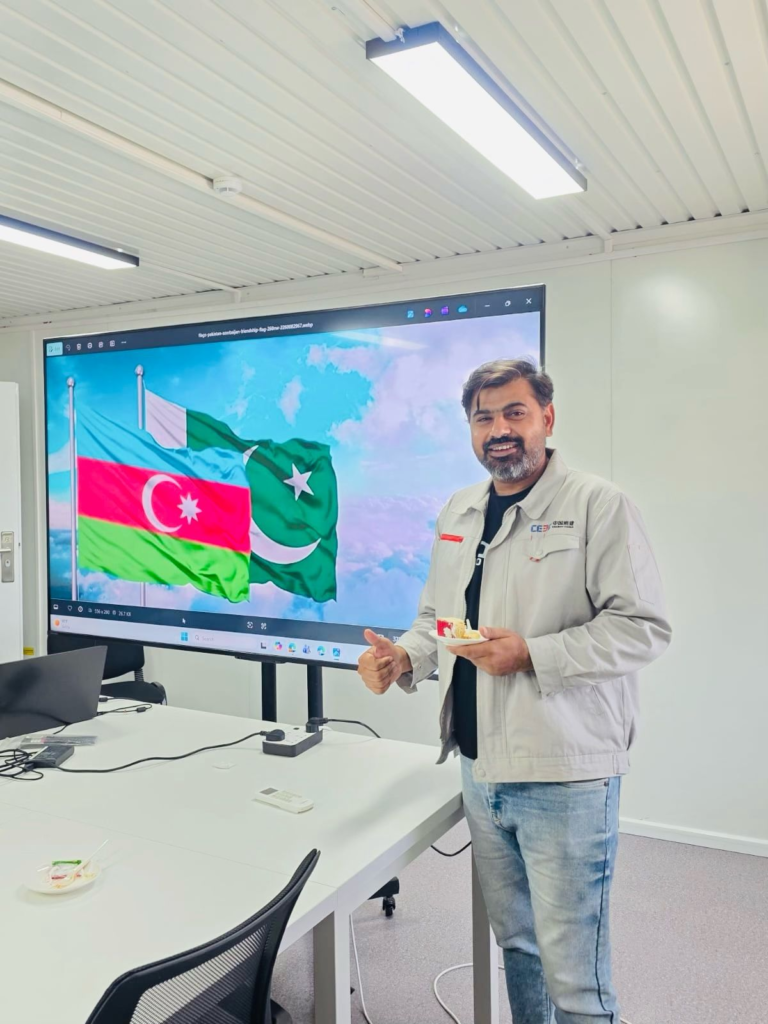
“As one team, we expect continuous improvement, maintaining the highest quality standards, and successful completion of the project in accordance with all quality requirements and specifications.”
The statement captures the practical nature of quality leadership on a project of this scale. Standards need to be understood by the wider project team and reinforced through consistent execution.
Recognising Excellence on the Project
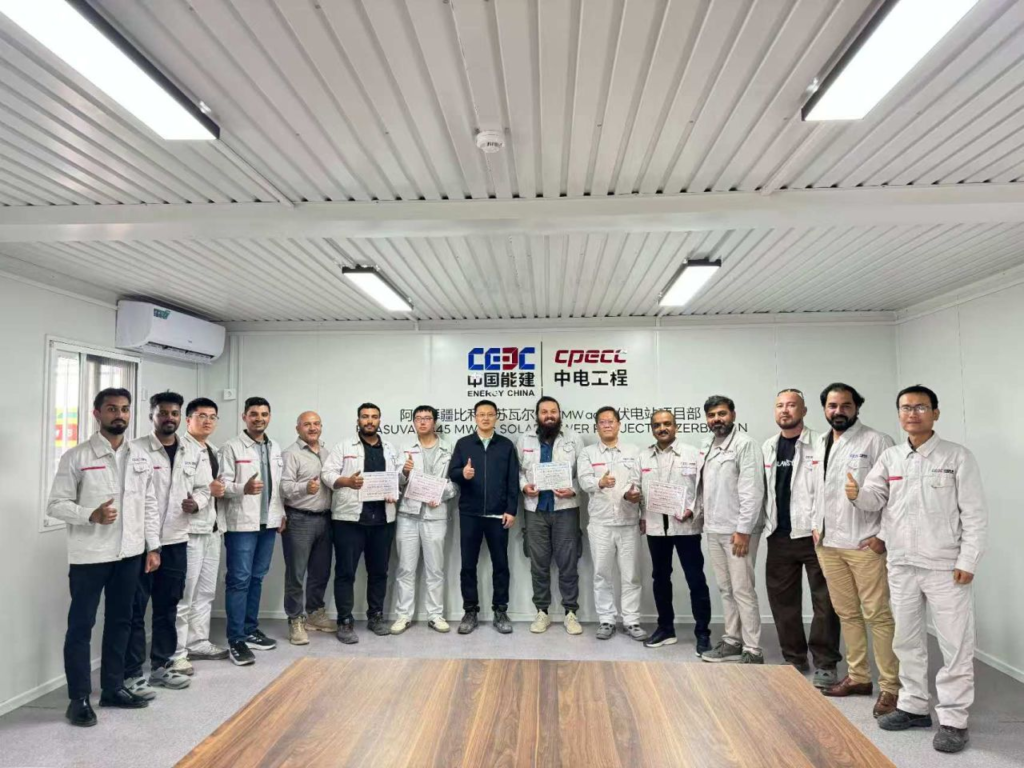
A recent QA/QC Monthly Award Ceremony at the Bilasuvar PV Project provided an opportunity to recognise team members for their performance and dedication.
Project Managers Du Ning and Xue Yong Feng participated in the ceremony, joining the team in recognising individuals whose work had contributed to maintaining project standards.
The initiative goes beyond a simple employee recognition event. In a project environment where quality depends on thousands of individual decisions and actions, acknowledging strong performance can reinforce the behaviours and standards required for successful delivery.
The ceremony also demonstrates an understanding that technical excellence and people leadership are closely connected.
“Today’s ceremony was organized to recognize and appreciate our team members for their outstanding performance and dedication.”
Recognition, in this context, becomes part of project culture. It communicates what the organisation values and reinforces the expectation that quality, responsibility, and professional discipline should remain consistent throughout execution.
Quality Assurance in Large-Scale Solar Development
The Bilasuvar project is part of Azerbaijan’s expanding renewable energy infrastructure and represents a substantial undertaking in photovoltaic power generation.
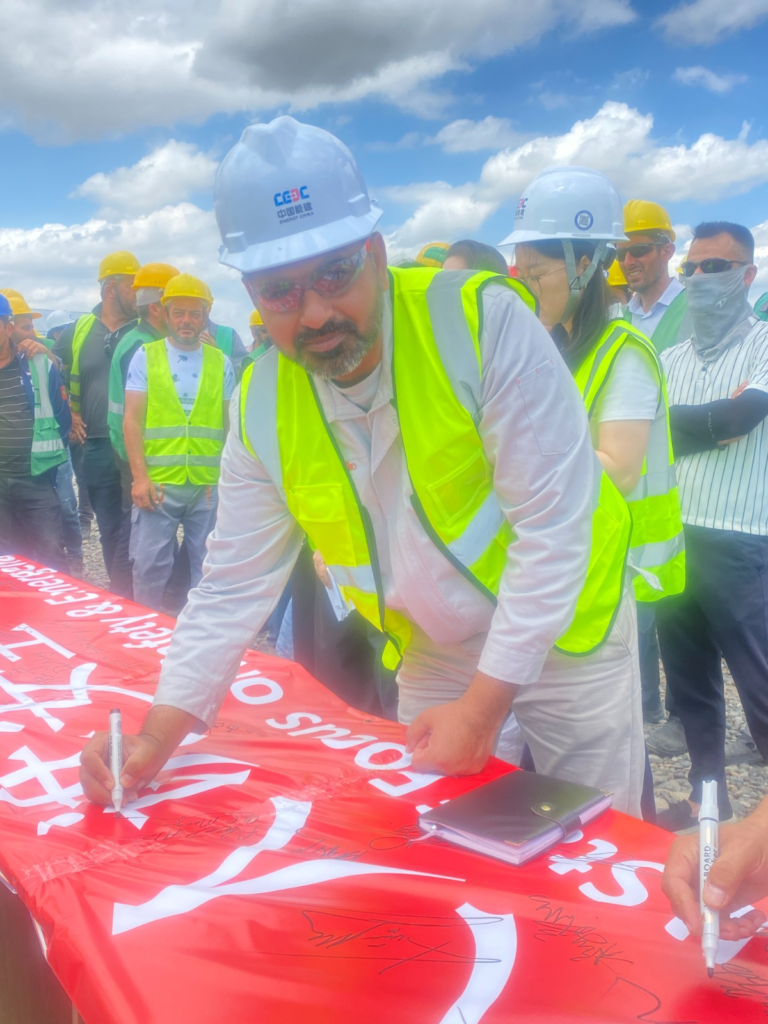
Projects of this scale require coordination between multiple disciplines, with QA/QC teams working alongside project management, engineering, construction, and other technical functions.
Maintaining quality requires attention to:
- Compliance with approved specifications and requirements
- Consistent inspection and quality control processes
- Identification and resolution of quality issues
- Effective coordination between technical teams
- Continuous improvement throughout project execution
- Clear accountability for project standards
- Recognition of strong individual and team performance
Within this environment, quality assurance serves not only as a control mechanism but also as a foundation for reliable project delivery.
Leadership Through Team Development
Technical capability is only one part of effective project execution. Large projects also depend on experienced professionals who can transfer knowledge, support colleagues, and strengthen the capacity of the wider team.
This was particularly evident in the recognition given to Sakhavet Ahmedov, whose contribution to the project extended for more than one year.
Khan highlighted Ahmedov’s professionalism, support, and contribution to improving the team’s overall performance and capacity. His departure was recognised as both a professional milestone and a loss of valuable experience for the project team.
The acknowledgement demonstrates a broader leadership principle: successful project environments are built not only around processes and specifications, but also around people who strengthen those processes through experience and commitment.
Building Capacity Alongside Quality
The relationship between quality and team capability is particularly important in complex infrastructure projects.
A strong QA/QC function must have the technical systems necessary to monitor performance, but it also needs people with the judgement and experience to identify issues, communicate effectively, and respond appropriately.
By recognising contributions such as Ahmedov’s, the project team reinforces the value of professional knowledge and collaboration while encouraging others to maintain the same standards.
This approach helps create an environment where quality is continuously developed rather than treated as a fixed requirement.
Supporting Renewable Energy Infrastructure
The continued development of large-scale photovoltaic projects is increasing the importance of disciplined project management and quality systems within the renewable energy industry.
For projects such as Bilasuvar, successful delivery depends on maintaining standards throughout the construction process while coordinating a diverse group of technical and operational professionals.
The contribution of QA/QC leadership therefore extends beyond individual inspections. It supports the broader reliability, compliance, and performance objectives of the project.
Khan’s involvement reflects this wider role, connecting quality management with team development, accountability, and project execution.
A Practical Approach to Executive Leadership
What distinguishes effective leadership in technically demanding environments is often the ability to connect operational detail with broader organisational objectives.
For Khan, the emphasis on quality, continuous improvement, recognition, and team capability demonstrates an approach grounded in execution.
The message is straightforward: high standards have to be maintained consistently, people who deliver those standards should be recognised, and teams should leave each stage of a project stronger than they entered it.
That philosophy is particularly relevant to large infrastructure developments, where the cumulative impact of individual decisions ultimately determines project performance.
Looking Ahead
As the Bilasuvar PV Project continues its development, maintaining quality will remain an ongoing responsibility across the project organisation.
The emphasis on continuous improvement provides a framework for addressing challenges as they arise while ensuring that established requirements remain central to project execution.
For professionals such as Khan, the responsibility extends beyond meeting today’s specifications. It involves helping build the systems, behaviours, and team capabilities that allow complex projects to progress with greater consistency and confidence.
Recognition by The Arab CEOs
The Arab CEOs recognises Adeel Arif Khan for his contribution to quality assurance, project execution, team development, and operational excellence within the renewable energy sector.
Through his involvement in the 445 MWAC PV Project in Bilasuvar, Azerbaijan, Khan has demonstrated an approach to project leadership that connects technical quality with accountability, collaboration, and continuous improvement.
His emphasis on recognising strong performance and strengthening team capability reflects an important dimension of modern executive leadership. In complex infrastructure projects, lasting results depend not only on sophisticated technology and established specifications, but on the people responsible for delivering them every day.
The CEO Network recognises Khan’s contribution to building that culture of quality and performance as the Bilasuvar project progresses towards successful completion.
Connect with Him: