

Now Reading: Moayad Alshuwaykhat: Powering Strategic Growth in Saudi Energy
-
01
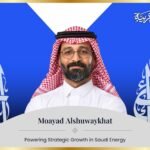
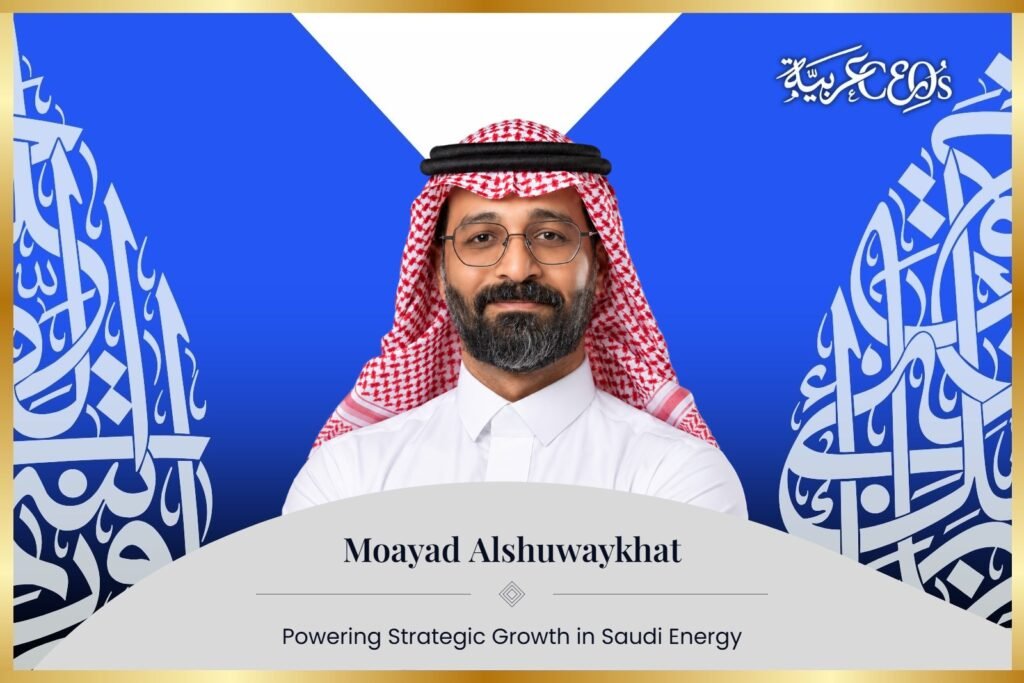
Moayad Alshuwaykhat: Powering Strategic Growth in Saudi Energy
Moayad Alshuwaykhat: Powering Strategic Growth in Saudi Energy
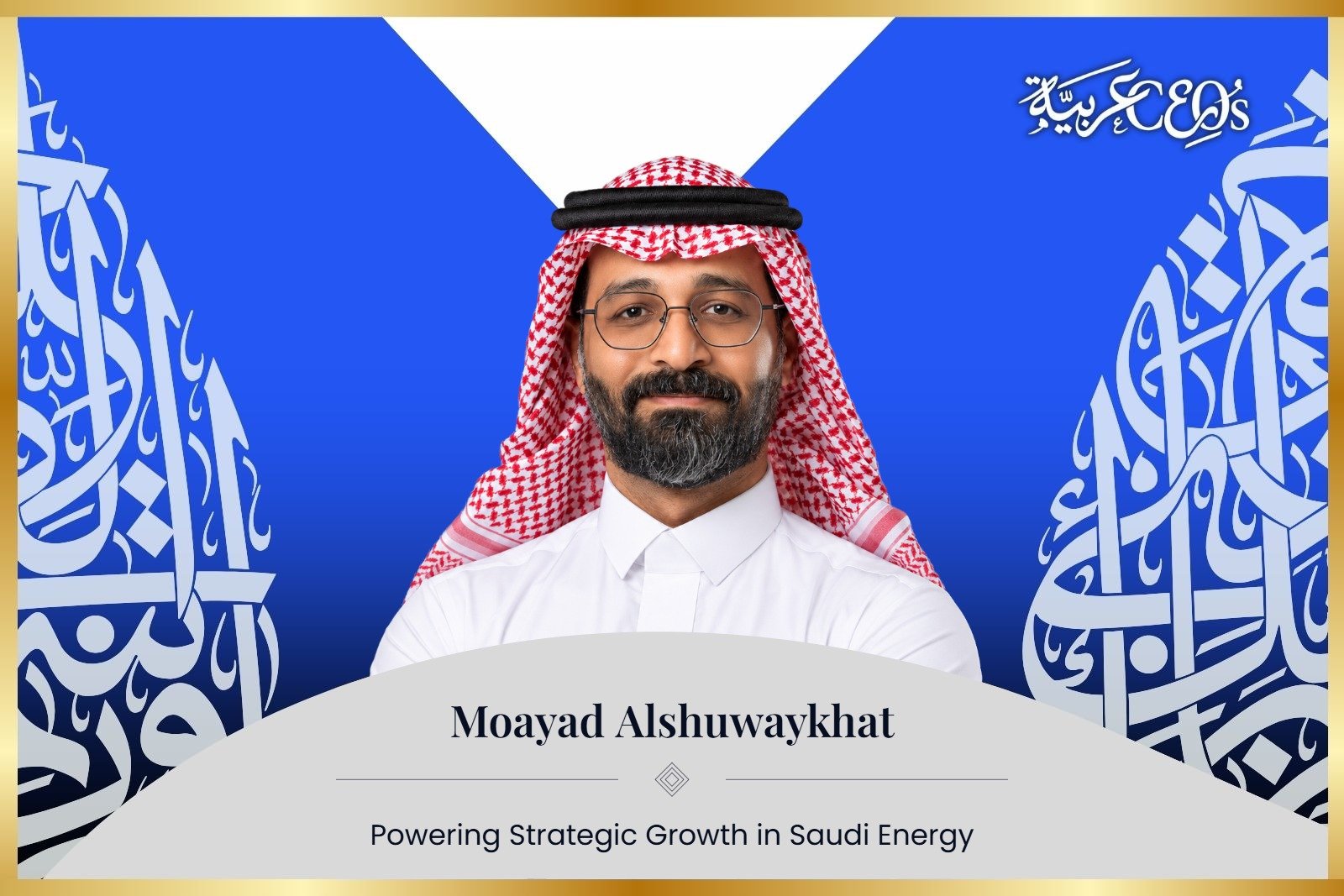
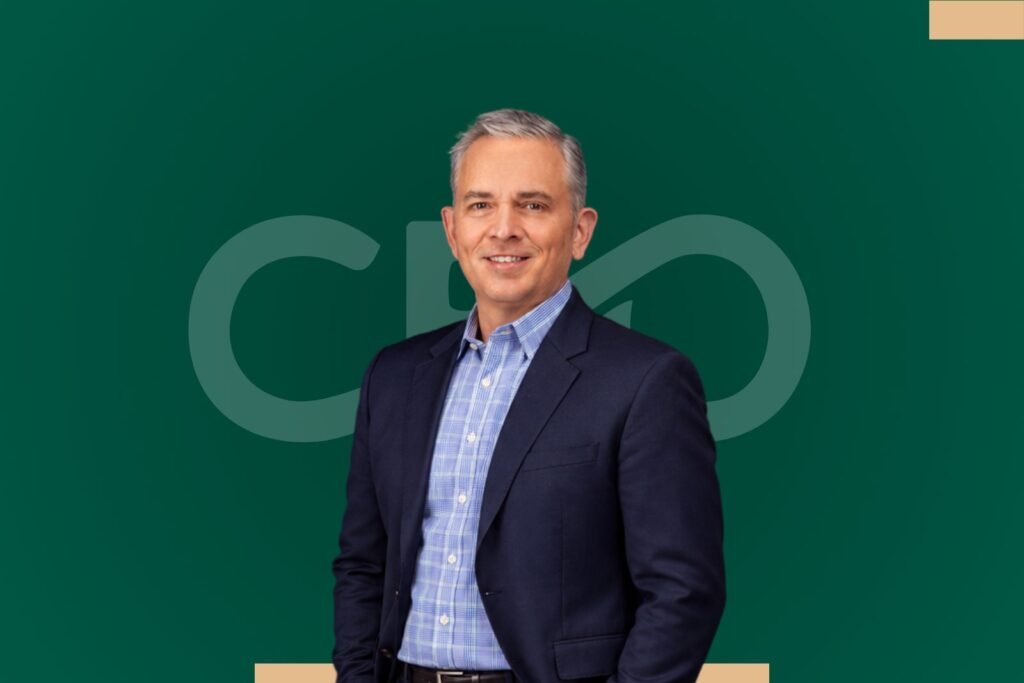
When Saudi Arabia set out to expand its renewable‑linked generation capacity, the practical challenge lay in turning high‑voltage grid concepts into deliverable projects. Moayad Alshuwaykhat, now CEO of the SPV at ACWA Power, spent the past decade at that very junction, moving from hands‑on design to organisational oversight.
His career has spanned the design of 230 kV transmission lines for offshore production, the management of a department of over 100 engineers, and the steering of flexible‑grid projects that support the Kingdom’s clean‑energy transition.
From Front‑Line Design to Departmental Leadership
At Worley, Alshuwaykhat rose to Head of Electrical Engineering, overseeing more than a hundred engineers and designers. He introduced systematic manpower planning and managed a multimillion‑dollar annual budget, ensuring the department could meet the demands of high‑profile clients such as Saudi Aramco and NEOM.
His remit covered the technical design of 230 kV transmission lines, substation upgrades and plant power distribution. At the same time, he aligned those designs with contractual risk assessments and client expectations, integrating engineering workflows with business objectives.
Negotiating contract terms and mitigating risks formed a core part of his role. By resolving conflicts early and keeping proposals competitive, he helped the department deliver projects on time, within scope and budget.
These experiences sharpened his ability to balance technical precision with commercial viability, a skill increasingly sought after by large infrastructure investors.
Delivering Grid‑Scale Projects Across the Kingdom
Alshuwaykhat’s portfolio includes the Safaniyah Increment Program, where he recommended a 230 kV transmission line and subsea network to power new offshore production facilities.
He led the electrical network assessment for Ras Tanura Refinery, adapting existing 230 kV AIS and 69 kV substations to accommodate an additional 80 MVA of capacity.
Projects such as the Marjan Increment and the Schedgum & Uthmaniyah gas‑compression schemes required evaluating emerging technologies, including DC transmission and islanding solutions.
During the debottlenecking of on‑shore Safaniya plants, he modified the 230 kV network configuration to install a new GIS substation, enhancing reliability while supporting increased production.
Throughout these programmes he prepared detailed engineering workshops, delivered training sessions for field teams and coordinated with overseas project groups to align design standards.
Technical expertise, when coupled with strategic oversight, becomes a catalyst for turning national energy ambitions into tangible infrastructure outcomes.
Strategic Flexibility in the Renewable Era
At ENOWA’s Flexibility Department, Alshuwaykhat oversaw projects aimed at enhancing the grid’s ability to integrate variable renewable energy sources.
His engineering background informed load‑flow studies, protection coordination and arc‑flash mitigation, critical factors when introducing intermittent generation into a traditionally fossil‑fuel‑dominant network.
He supervised the development of load‑flow models that quantified the impact of renewable injections, enabling system operators to plan dispatch strategies with greater confidence.
His work on arc‑flash mitigation included designing relay‑zone‑blocking schemes and producing clear safety labels for switchgear, directly improving workplace safety standards.
These efforts sharpened his insight into how flexible, responsive infrastructure can support the Kingdom’s net‑zero aspirations.
CEO of the SPV at ACWA Power: Steering Growth
In August 2025, Alshuwaykhat assumed the CEO role of the special‑purpose vehicle (SPV) within ACWA Power, a leading developer of renewable and conventional power projects.
The position places him at the helm of capital mobilisation, stakeholder negotiation and project execution for large‑scale generation assets.
He now leads efforts to secure financing for new renewable projects, engaging banks, sovereign investors and private partners to structure viable funding packages.
Ongoing dialogue with regulators and local authorities forms a key part of his remit, aligning project timelines with national policy milestones.
His combined expertise, hands‑on design, departmental leadership and flexibility‑focused project management, equips him to translate technical feasibility into commercial success for the SPV’s portfolio.
Recognition by The Arab CEOs
Moayad Alshuwaykhat exemplifies the blend of technical depth and strategic foresight that is increasingly vital for Arab power enterprises seeking to modernise national grids. His trajectory shows how engineers can rise to senior executive roles, bringing grounded expertise to boardroom decisions that shape regional energy security. For readers of The Arab CEOs, his experience offers a roadmap for turning engineering credentials into broader organisational impact, reinforcing the value of interdisciplinary leadership in the Gulf’s evolving power sector.