












Now Reading: Khalid Almudaifer: Shaping the Future of Global Minerals
-
01
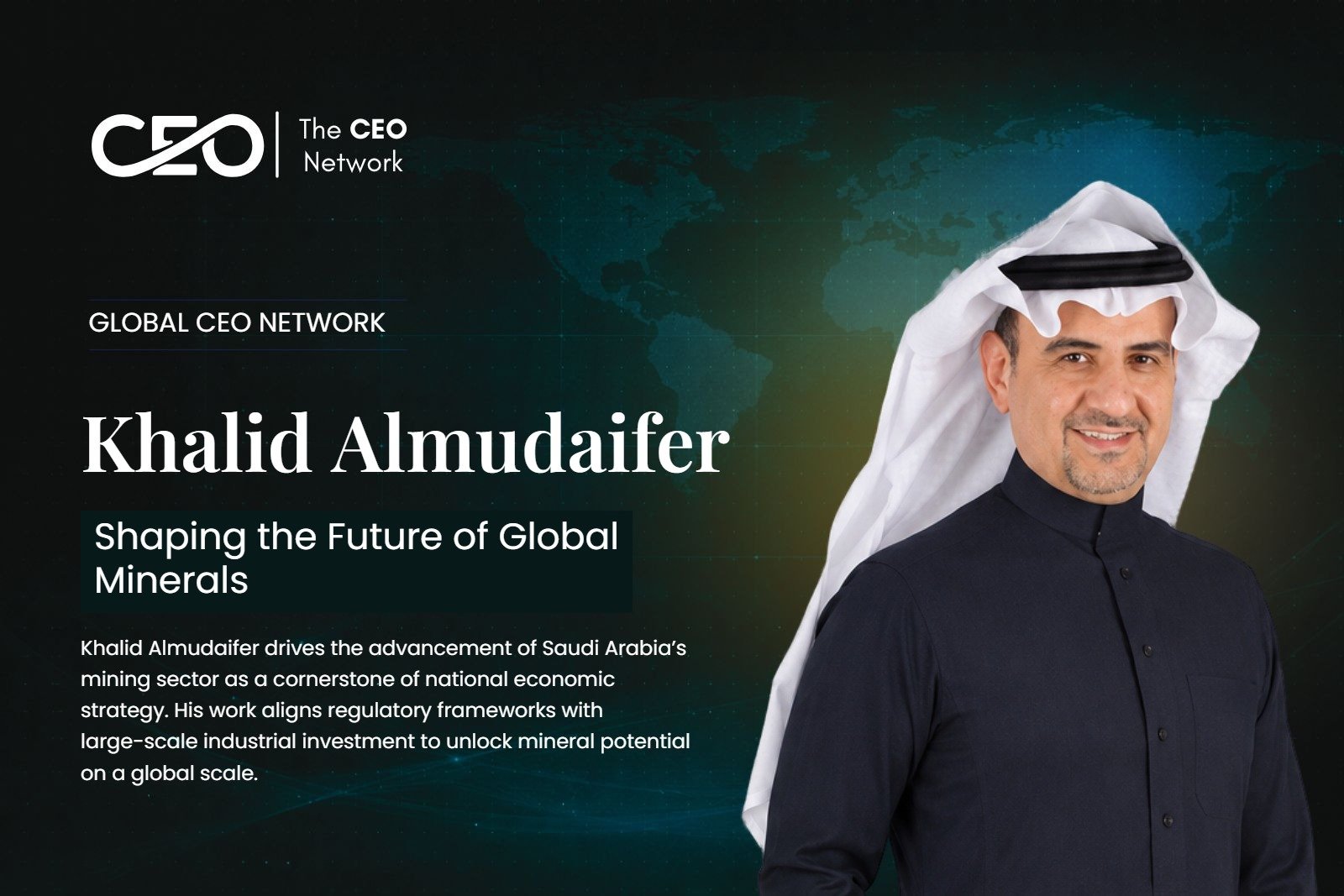
Khalid Almudaifer: Shaping the Future of Global Minerals
Khalid Almudaifer: Shaping the Future of Global Minerals

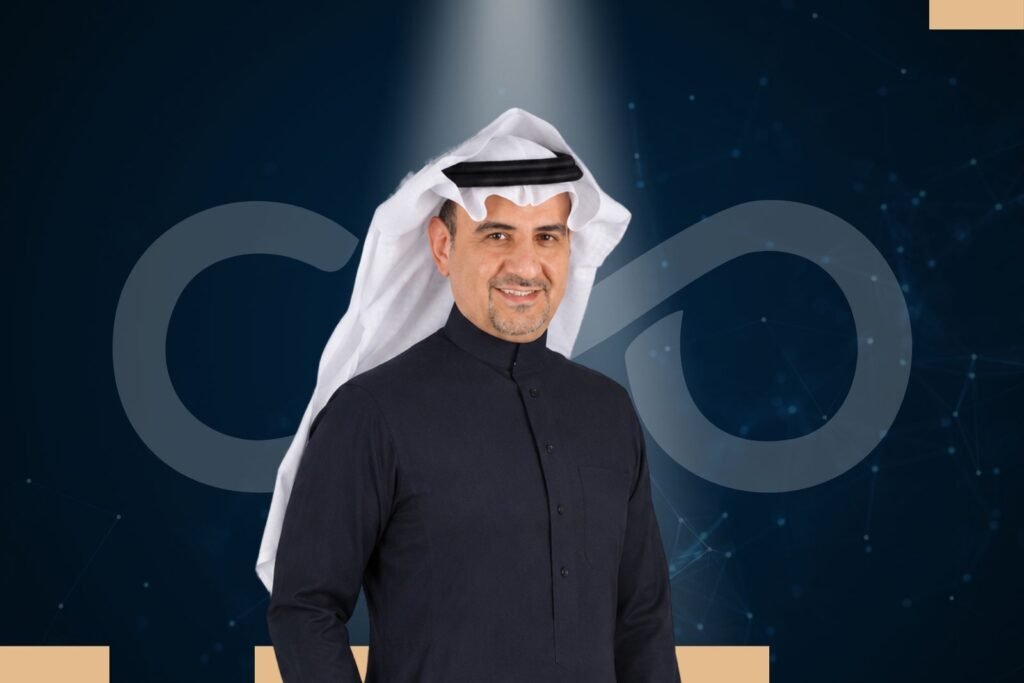
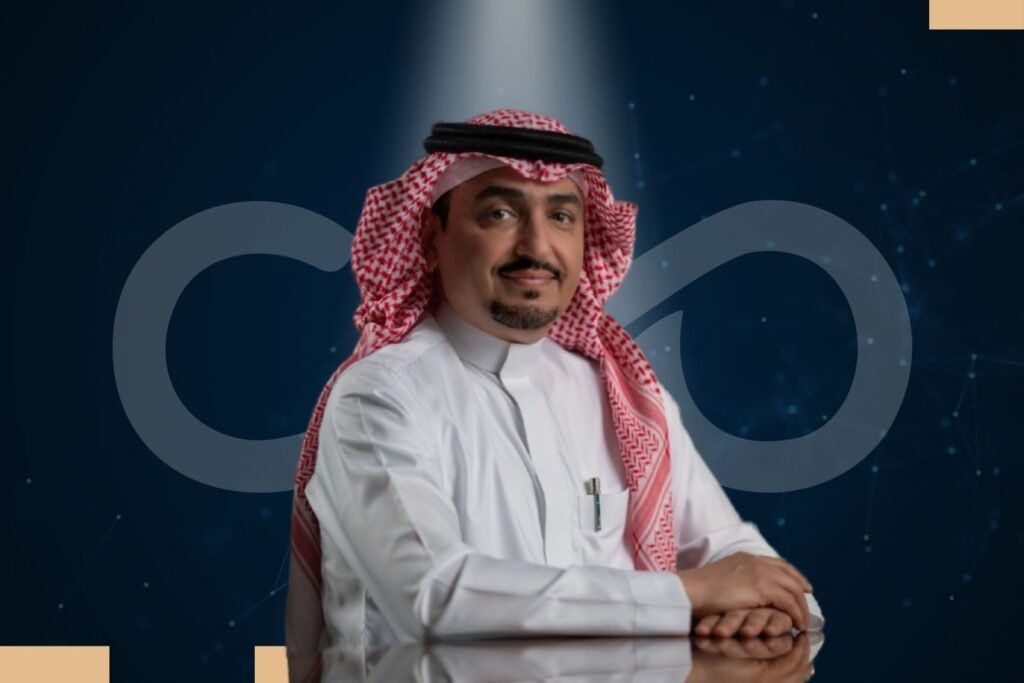
The evolution of a national mining sector requires a rare blend of regulatory foresight and industrial pragmatism. Khalid Almudaifer, as the Vice Minister for Mining at the Ministry of Industry and Mineral Resources, currently manages this critical intersection in Saudi Arabia.
His work is central to the Kingdom’s broader economic diversification goals under Vision 2030, where the mining industry is positioned as a primary pillar of long-term national growth. By focusing on both policy development and investment attraction, he is actively steering the country toward becoming a recognised global hub for essential minerals.
Advancing Policy and Regulatory Investment
The Ministry of Industry and Mineral Resources operates as the core architect for the regulatory environment governing mineral exploration and development. In his ministerial role, Almudaifer focuses on creating a stable and predictable policy landscape that appeals to sophisticated global stakeholders. This structural approach is designed to foster investor confidence through clear management of mineral rights and the implementation of robust sustainability standards.
By institutionalising these rigorous frameworks, the ministry aligns domestic mining operations with the high expectations of the international market. Furthermore, this focus on policy enables the consistent application of international best practices across all new sector projects. By refining how the government manages mineral resources, the ministry ensures that mining contributes significantly to the Kingdom’s economic diversification objectives.
This strategy necessitates a high degree of precision in policy design, ensuring that regulations are not only clear but also adaptable to the shifting demands of global industrial supply chains.
From Corporate Leadership to Public Strategy
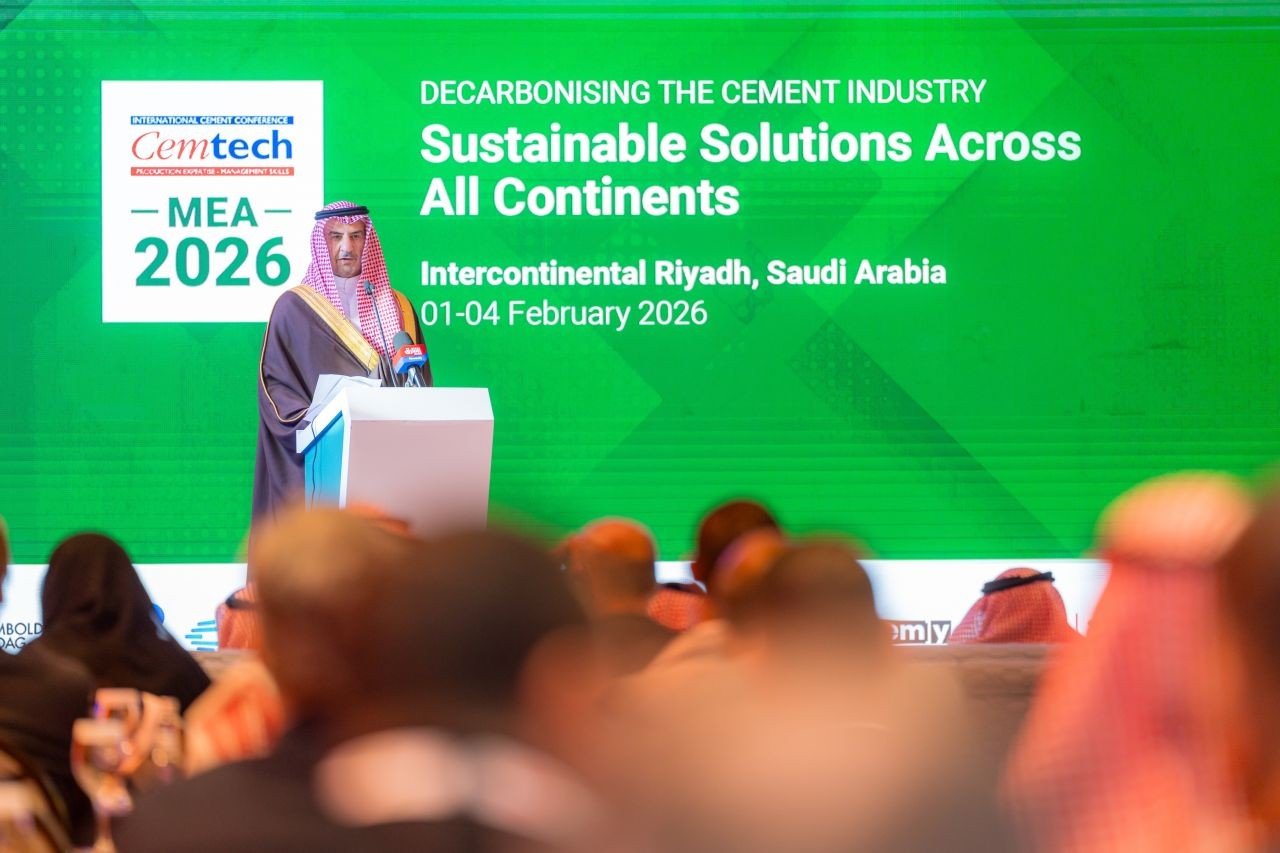
Almudaifer’s approach to public policy is informed by over a decade of executive experience as the President and CEO of Ma’aden. During his twelve-year tenure, he guided the firm’s transformation into a globally recognised mining leader. This period involved managing significant revenue growth and navigating the inherent volatility of global commodity markets.
His deep understanding of the capital-intensive nature of this industry allows him to bridge the gap between legislative intent and the practical requirements of large-scale enterprises. This professional perspective remains vital when designing policies that encourage private sector participation while mitigating operational risk. His previous work demonstrates an understanding of the long-term planning required to sustain mining operations at scale.
By leveraging this extensive background, he translates the complexities of corporate resource management into effective, scalable public policy frameworks. This background provides a clear link between his past industrial contributions and his present responsibility in fostering a national environment where private investment can flourish and deliver meaningful economic value.
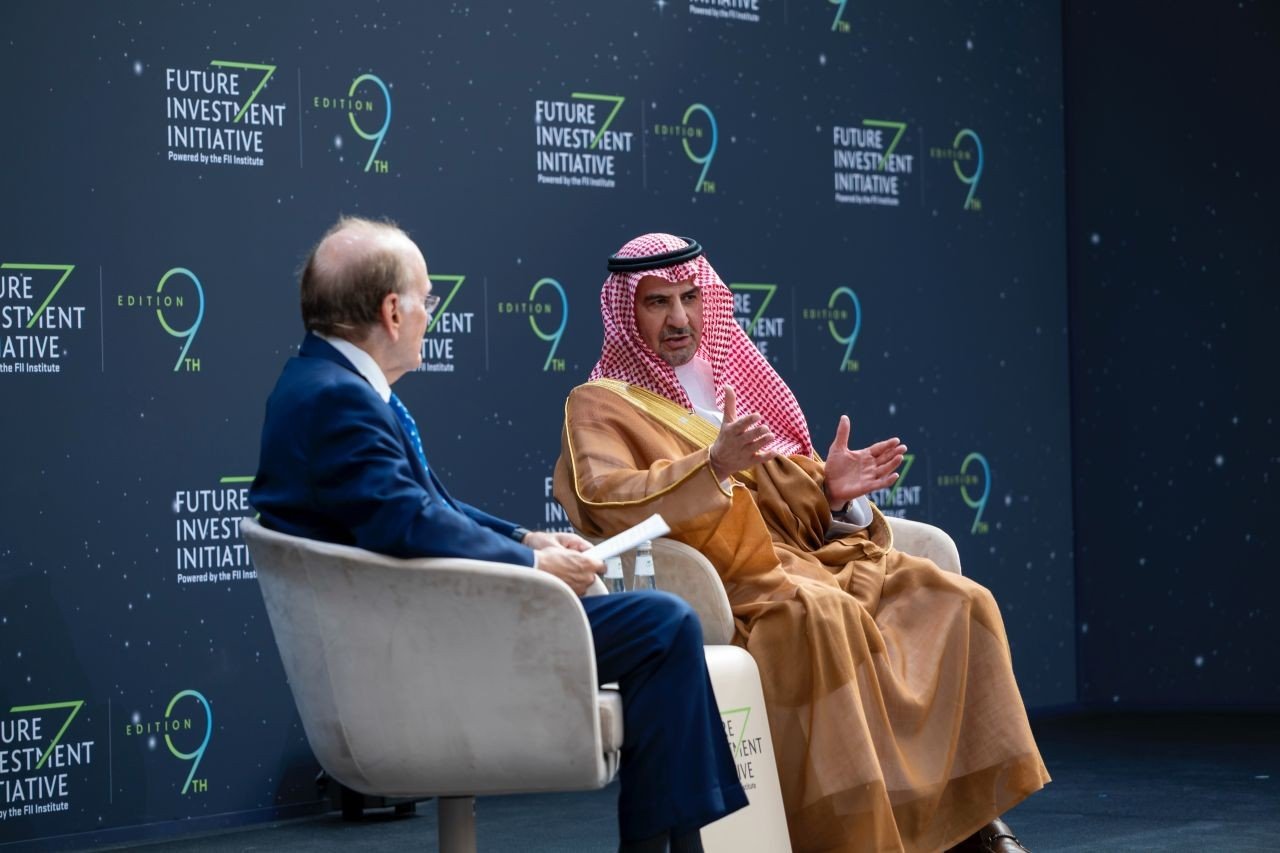
The true measure of industrial leadership lies in the ability to construct frameworks that remain durable even as global demand and market expectations shift.
Developing Essential Industrial Infrastructure
The development of massive industrial centers such as Ras Al Khair and Wa’ad Al Shamal serves as evidence of the power of strategic regional planning. These projects established the necessary infrastructure to position Saudi Arabia as a competitive hub for phosphate and aluminium production. By centralising processing capabilities within these dedicated hubs, the sector creates the necessary scale to compete on a global level.
Successfully coordinating the power, water, and transport requirements for these facilities demands an ability to oversee long-term capital investments while maintaining a rigorous focus on immediate operational requirements. Such projects provide a clear model for how the ministry plans to utilise its mineral deposits to drive domestic employment and broader regional growth.
These efforts highlight the importance of integrating industrial infrastructure directly into the national economic plan. Through the establishment of these hubs, the ministry creates a foundation that supports both downstream processing and the export of high-value mineral products, ensuring that the benefits of mining extend throughout the industrial value chain.
Integrating Global Supply Chain Interests
The long-term viability of the national mining sector depends on its capacity to connect with international supply chains. Current initiatives involve active collaboration with global stakeholders to enhance mineral processing and refine technology transfer. By engaging with international partners, the ministry seeks to ensure that produced minerals meet the stringent demands of global manufacturers.
This partnership model is designed to create mutual benefits that go beyond simple resource extraction, establishing the Kingdom as a dependable partner for countries that rely on consistent mineral supplies. By working closely with these stakeholders, the ministry accesses shared knowledge and improves the overall efficiency of domestic operations. This collaborative approach also helps to manage the risks inherent in large-scale resource development.
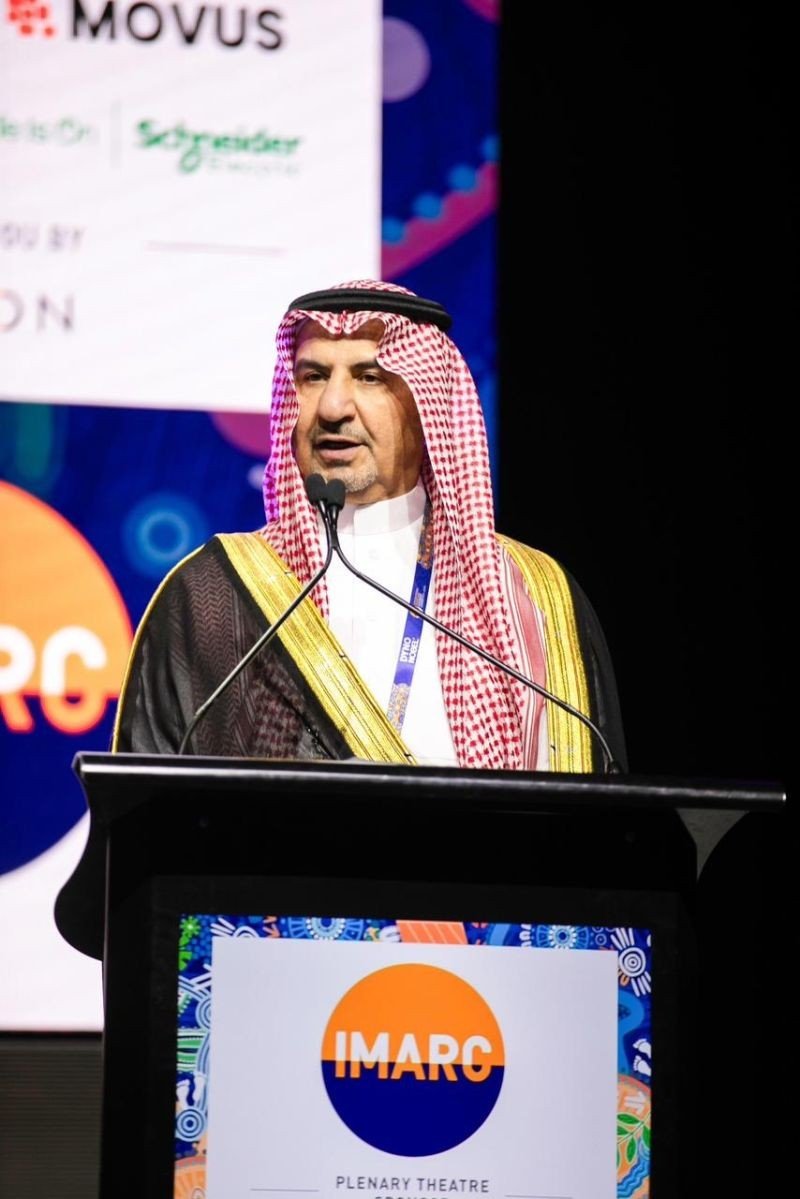
By prioritising these relationships, the ministry strengthens the position of Saudi Arabia within the global market, transforming it into a vital link for the global energy and industrial sectors that depend on a secure flow of critical raw materials.
Recognition by The CEO Network
The professional career of Khalid Almudaifer, spanning high-level corporate transformation and current ministerial policy leadership, serves as a significant case study for the Global CEO Network. His ability to apply lessons from large-scale industrial management to the development of national regulatory strategy highlights the essential role of government in defining economic potential. As he continues to shape the mining landscape, his work remains a focal point for those interested in the nexus of industrial infrastructure, policy design, and international cooperation.
Connect with us