



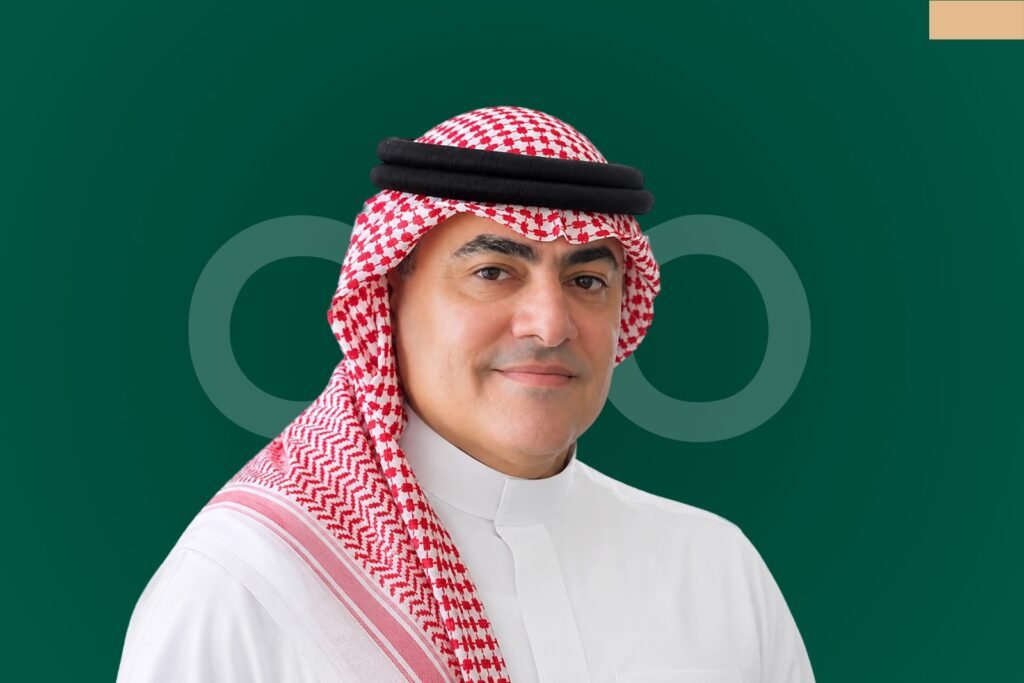

Now Reading: Assim ALSuhaibani: Applying Rigorous Governance to Urban Growth
-
01
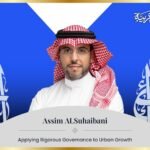
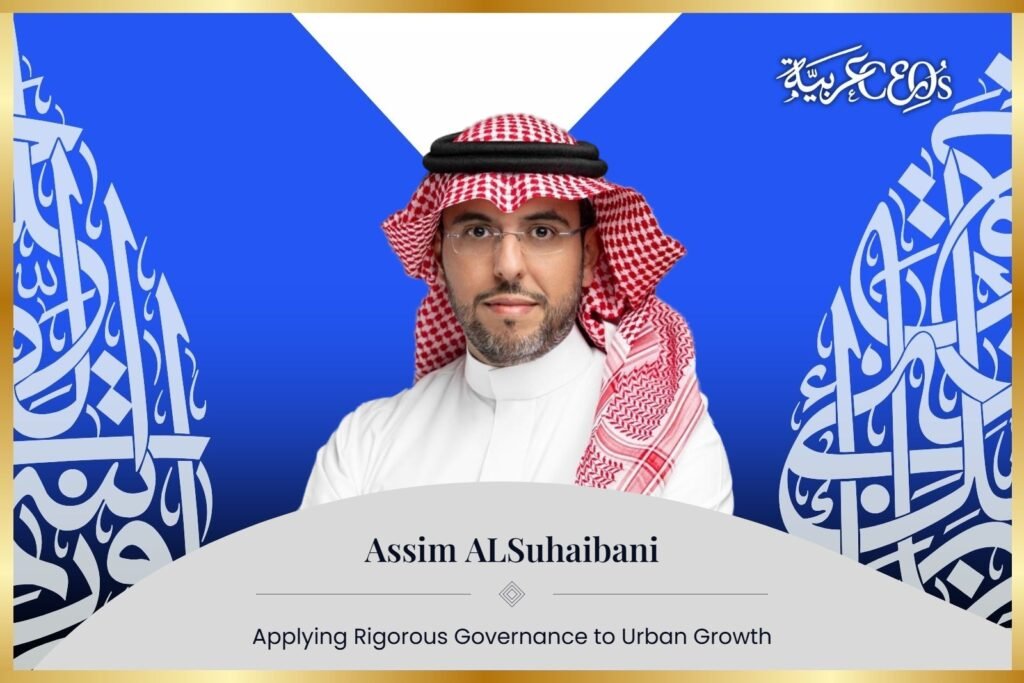
Assim ALSuhaibani: Applying Rigorous Governance to Urban Growth
Assim ALSuhaibani: Applying Rigorous Governance to Urban Growth
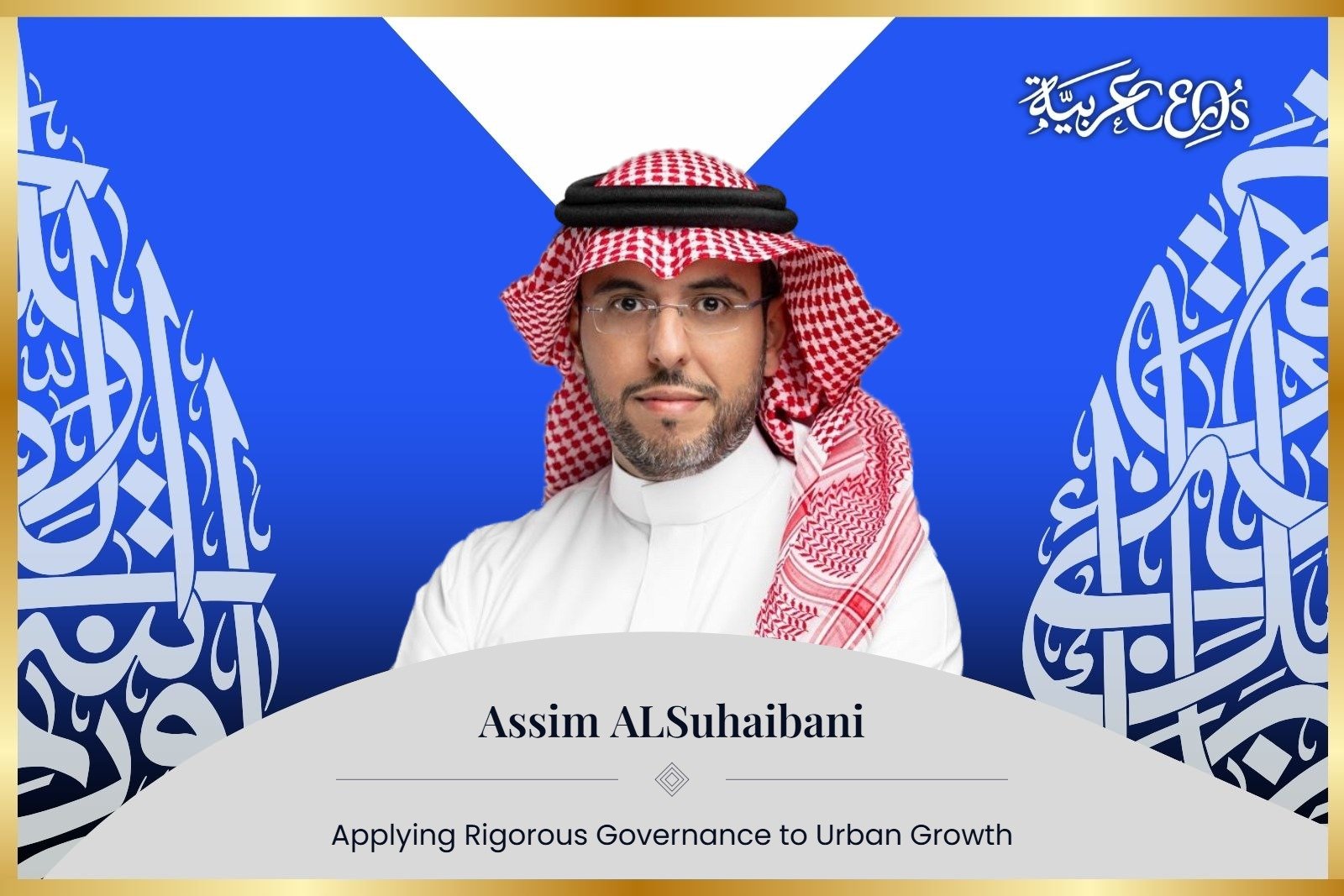
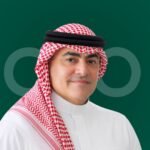
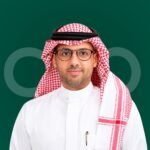
The development of a modern city requires a precise fusion of long-term vision and operational discipline. For Assim ALSuhaibani, this intersection is not merely a professional mandate but the guiding principle of his work as the Chief Executive Officer of Remat Al-Riyadh Development Co.
His current mandate at the heart of Riyadh’s transformation follows an extensive career that has spanned multiple continents and critical industries. By applying lessons learned in the global energy sector to the complexities of urban planning, he provides the consistent, high-level oversight required to manage major infrastructure programmes. His leadership facilitates the alignment of diverse regional development ambitions with core strategic mandates, ensuring that every project remains firmly anchored in the city’s broader economic growth strategy.
Technical Foundations for Complex Oversight
His leadership draws upon over a decade of technical experience in the energy sector, notably at Schlumberger. Serving in various roles from petroleum engineering to operations management, he developed a methodology centered on data-driven decision-making and project efficiency.
This background in managing large-scale, international energy projects informs his current approach to urban infrastructure. He applies the same analytical rigour required to navigate sub-surface complexities to the nuanced surface-level demands of Riyadh’s growing urban landscape.
During his time as a Regional Manager for Geosciences and Petroleum Engineering in the Middle East, he oversaw diverse team performance and complex technical deliverables. This experience shaped his ability to manage interdisciplinary teams and high-pressure operational environments. He carries this focus on operational clarity forward, ensuring that the development tasks he oversees are executed with the same level of structured foresight and data-based precision that defined his earlier engineering career.
Governance Across Institutional Landscapes
Beyond his executive role, he provides strategic oversight through several key board positions. As the Chairman of the Board at REMAT ADVANCED and a board member for entities including Riyadh Holding and Dirah Development, he bridges the gap between public-sector ambition and institutional execution.
His involvement as an Investment Committee Member for the King Salman Park Foundation further highlights his focus on foundational city projects. These positions allow him to facilitate cooperation among diverse stakeholders while maintaining the continuity of vision necessary for large-scale development programs.
By serving on these boards, he provides an essential continuity of vision across the various foundations and corporate entities tasked with executing city-wide projects. This structural placement allows him to facilitate the exchange of strategic priorities, creating a reliable framework for collaborative growth that transcends individual project cycles. He ensures that corporate decision-making remains focused on long-term institutional stability and the overarching requirements of Riyadh’s expansion, preventing the fragmentation of effort across different administrative sectors.
True urban progress relies on the ability to translate expansive policy objectives into disciplined operational frameworks that sustain long-term institutional stability.
Strategic Integration of Infrastructure Systems
Managing complex urban systems requires reliable, scalable frameworks. Drawing on his prior tenure as a Senior Director at the Public Investment Fund (PIF) and his experience in logistics, he views urban infrastructure as a systems-based challenge that demands clear reporting and structural transparency.
He prioritises the implementation of robust management frameworks to reduce friction within large-scale construction. By ensuring that every project remains aligned with broader institutional mandates, he supports the creation of an environment where development outcomes remain focused on long-term stability.
This experience in corporate development, particularly his tenure leading MASIC Logistics, underscores a commitment to efficient operational design. By integrating resources and fostering stakeholder collaboration, he helps create an environment where project outcomes can be accurately measured against institutional objectives. This disciplined approach serves to streamline complex processes, reducing potential bottlenecks within large-scale construction and essential service-delivery projects that are vital to the city’s ongoing modernization.
Developing Sustainable Operational Standards
His approach is defined by a commitment to creating corporate environments where decision-making is both efficient and transparent. By aligning team performance with high-impact goals, he manages the logistical demands of city-wide projects alongside the rigorous governance expectations of his boards.
This balance of executive action and board-level supervision is essential for navigating the rapid pace of regional expansion. He continues to focus on how structured leadership and methodical resource management can effectively support the growth of the Saudi capital, ensuring institutional objectives are met with clarity.
By implementing clear reporting lines and prioritising operational transparency, he ensures that the teams he manages maintain their focus on high-impact objectives. He balances the immediate logistical demands of construction with the long-term governance requirements of institutional stakeholders, fostering a workplace culture defined by both professional precision and an unwavering commitment to the strategic success of the urban development sector.
Recognition by The Arab CEOs
Recognition by The Arab CEOs acknowledges the professional contribution of leaders who translate deep technical expertise into coherent institutional governance. Assim ALSuhaibani illustrates how applying rigorous oversight and strategic management to the built environment supports the broader goals of urban modernisation.
His capacity to bridge the gap between complex board-level governance and day-to-day executive accountability serves as a thoughtful model for navigating the challenges of large-scale infrastructure. As Riyadh evolves, his dedication to evidence-led institutional leadership stands as a significant contribution to the sustainable growth of the city.