









Now Reading: Hazem Hegazy: Navigating Growth Through Financial Prudence
-
01
Hazem Hegazy: Navigating Growth Through Financial Prudence
Hazem Hegazy: Navigating Growth Through Financial Prudence
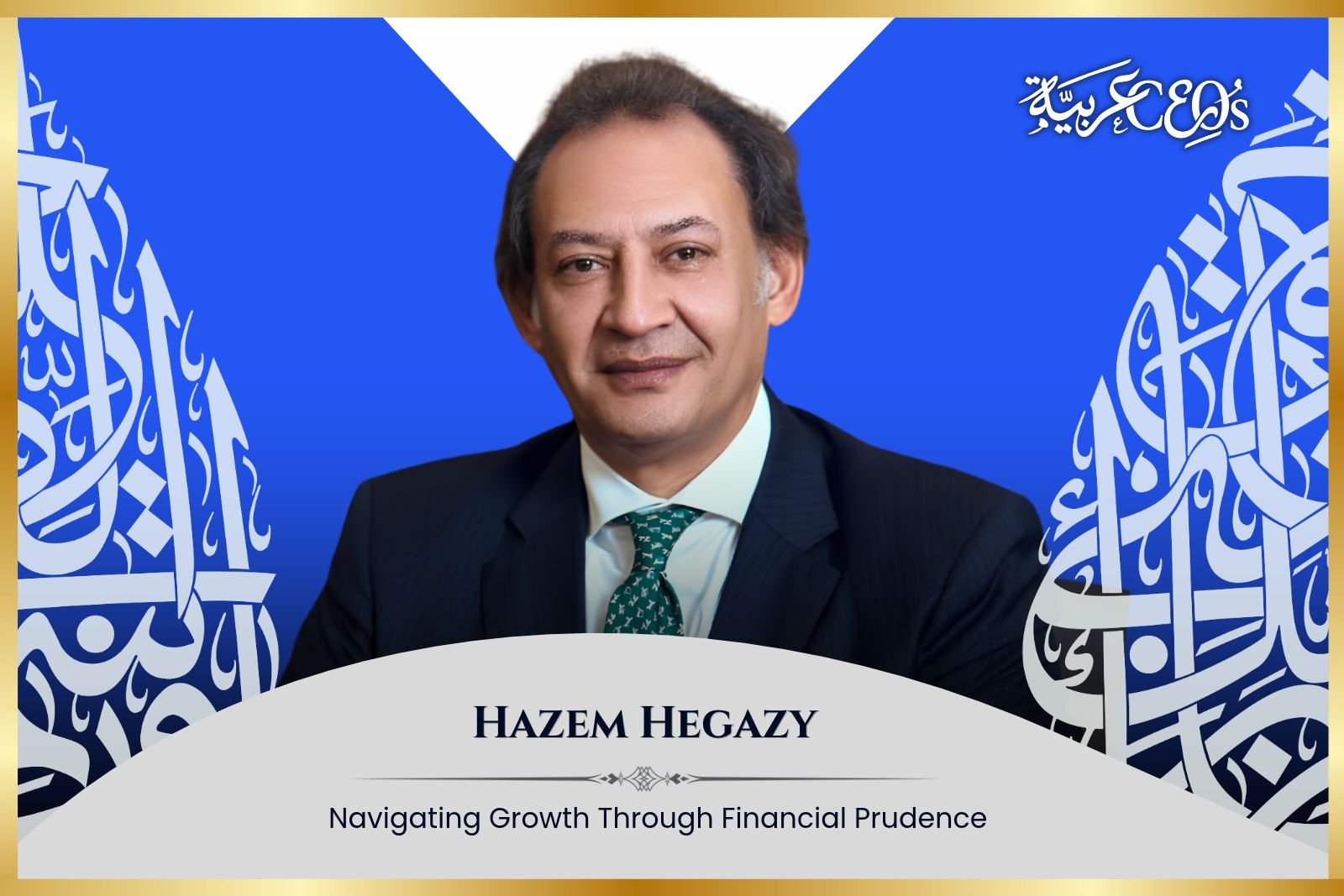
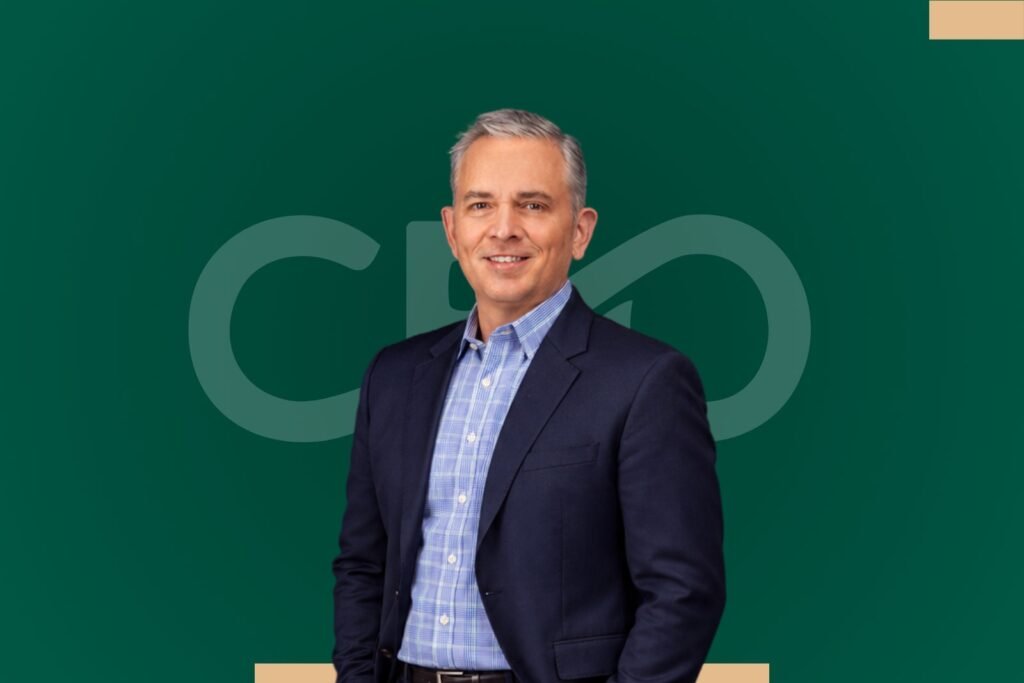
The trajectory of a banking career is often defined by the quiet accumulation of operational wisdom. For Hazem Hegazy, the current CEO and Vice Chairman of Al Baraka Bank Egypt, thirty years of experience across the Gulf and Egypt have provided a deep understanding of the financial sector. His leadership is built upon a consistent history of managing retail divisions, branches, and the underlying risk structures that maintain institutional health.
Starting his professional journey in the United Arab Emirates, he occupied roles that demanded precision in operational risk and branch management. This foundational period at institutions like Mashreqbank and Union National Bank instilled a perspective that prioritises the mechanics of service delivery. By remaining focused on the core functions of banking, he established a professional identity rooted in the tangible aspects of finance.
Establishing Operational Depth
Progression through the banking sector requires more than professional advancement; it requires an unwavering attention to the technical details that govern financial stability. His tenure at regional institutions, including the National Bank of Egypt and Banque du Caire, reflects a career that values direct engagement with retail and SME banking. This depth of experience allows for a leadership style that balances long-term strategy with a clear understanding of everyday operational realities.
Throughout his time as a leader in Egypt, he has navigated the complexities of large-scale retail and SME portfolios. By bridging the gap between high-level governance and the intricacies of branch-level performance, he has developed an approach that emphasises both institutional rigour and service accessibility. His academic background in accounting from Cairo University continues to underpin his focus on the clarity and logic essential to modern banking.
The true measure of a leader lies in the ability to bridge the gap between complex financial risk and the practical, everyday needs of a growing customer base.
Integrating Regional Perspectives
Banking across diverse jurisdictions requires the agility to adapt to varying market conditions while maintaining institutional standards. His experience, which includes executive roles at Barclays Bank and Network International, provided exposure to the distinct regulatory and economic landscapes of the Middle East. These international chapters have been instrumental in shaping his approach to the current oversight of Al Baraka Bank Egypt.
By synthesisng insights gained in Qatar, the UAE, and Egypt, he demonstrates how varied regional experiences contribute to a more nuanced leadership capability. This accumulation of cross-border knowledge is vital for navigating the cyclical nature of regional finance. It allows for a more considered approach to managing risk and identifying growth opportunities in the SME segment.
Fostering Collaborative Governance
Effective leadership within a financial institution is rarely a solitary pursuit. It demands the cultivation of a team-oriented environment where expertise is shared and internal processes are refined. His approach to management relies on the cross-pollination of ideas, ensuring that retail and risk departments work in concert to serve the bank’s broader objectives.
True institutional strength is forged when leaders prioritise the careful alignment of internal processes with the evolving expectations of the stakeholders they serve.
By focusing on these internal dynamics, he creates a culture of professional rigour that is essential for long-term stability. This commitment to the fundamentals of branch banking and risk management ensures that the institution remains resilient, regardless of the wider economic climate. His leadership serves to ground the organisation in a steady, disciplined practice.
Adapting Through Professional Consistency
Leadership is strengthened by a career that remains grounded in the realities of the sector. His progression from branch manager in the late 1990s to his present executive roles illustrates the value of sustained engagement with the complexities of the banking industry. This consistency serves as a foundation for making decisions that respect both tradition and the necessity for modern, informed change.
His path suggests that the most effective leaders are those who have spent years learning the nuances of their craft. By prioritising thoroughness over speed, he continues to navigate the regional banking landscape with a perspective shaped by decades of direct experience. This long-term dedication remains a central theme of his professional contribution.
Recognition by The Arab CEOs
As CEO and Vice Chairman of Al Baraka Bank Egypt, Hazem Hegazy exemplifies the value of professional depth in the modern banking landscape. His extensive history across the Gulf and Egypt provides him with a unique vantage point, enabling him to guide the institution with a focus on stability and practical financial growth.
For the readers of The Arab CEOs, his career highlights the importance of steady, disciplined practice in leadership. By remaining committed to the essential mechanics of retail and SME banking, he provides a model for how to navigate institutional responsibility. His ongoing contributions reflect the potential for lasting impact within the regional financial sector through dedicated and thoughtful leadership.