



















Now Reading: Jensen Huang and NVIDIA: Powering the AI Revolution from Silicon to Systems
-
01
Jensen Huang and NVIDIA: Powering the AI Revolution from Silicon to Systems
Jensen Huang and NVIDIA: Powering the AI Revolution from Silicon to Systems
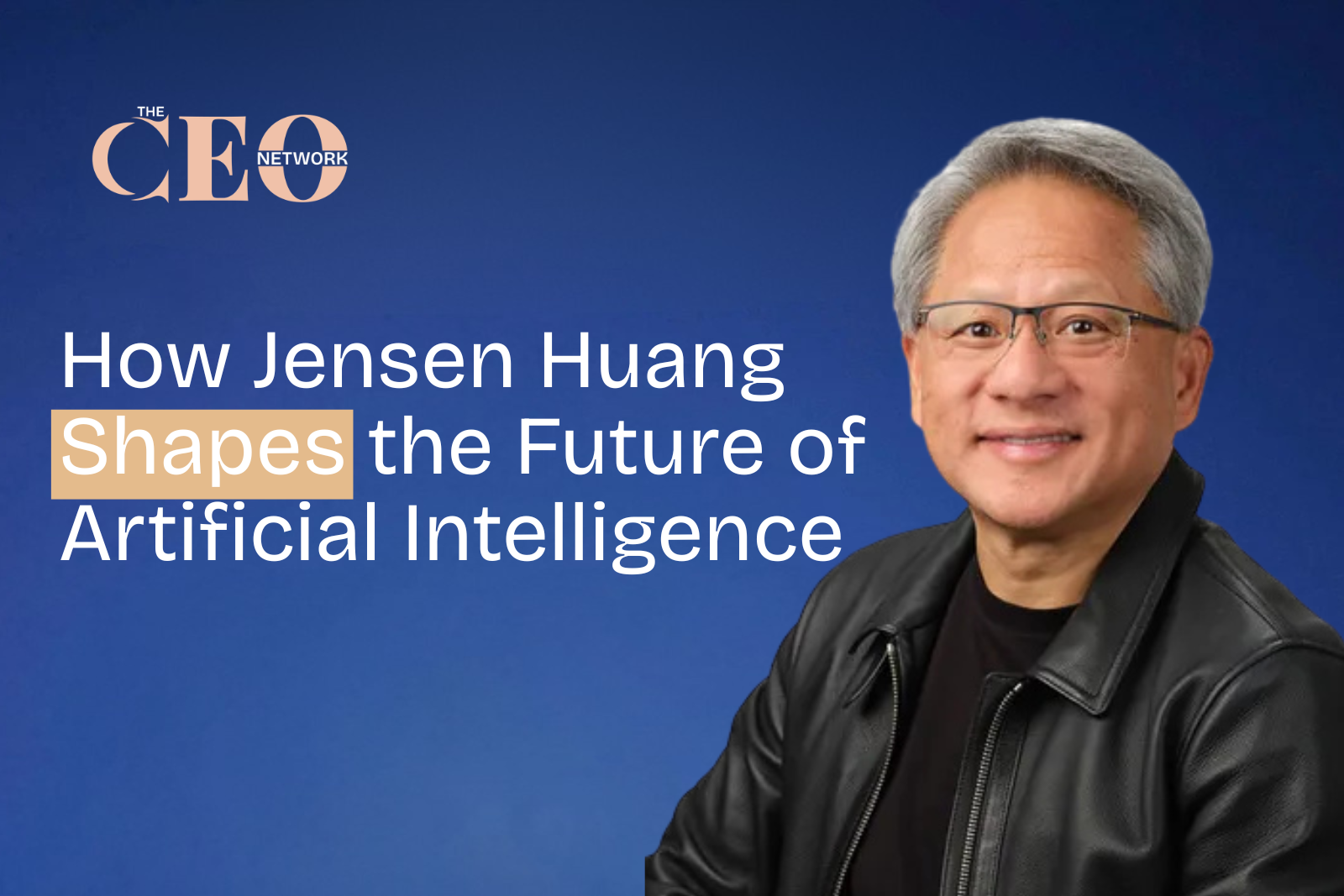
In the global race to define the AI era, few leaders have positioned their companies as decisively as Jensen Huang. Under his leadership, NVIDIA has evolved from a graphics chip pioneer into the foundational infrastructure layer of artificial intelligence.
At the Center of the Global AI Stage
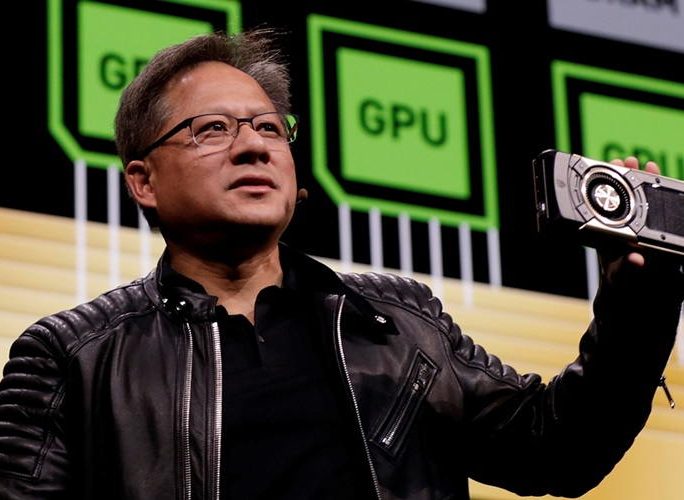
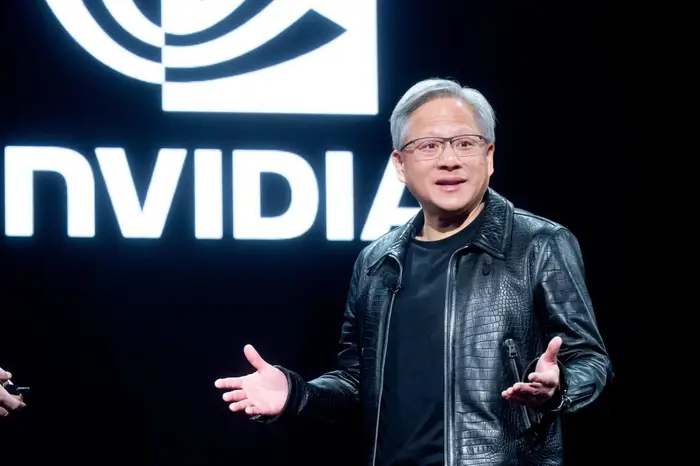
At CES 2026, Huang once again demonstrated why he is widely regarded as one of the world’s most consequential CEOs. On stage, he unveiled the Rubin platform, NVIDIA’s first extreme-codesigned AI system now in full production. Rubin is more than a product launch. It represents a structural shift in how the world builds, trains, and deploys AI.
From Chips to AI Factories
Huang describes the current moment as the dawn of AI factories, massive computing environments purpose-built to generate intelligence at scale. Rubin embodies that vision. By combining next-generation GPUs, optimized networking, and tightly integrated software, the platform dramatically reduces AI token generation costs, reportedly to one-tenth of prior systems.
That cost compression is not incremental. It is catalytic.
When token generation becomes exponentially cheaper:
- Startups can train frontier models
- Enterprises can embed generative AI into daily workflows
- Governments can scale digital public services
- Entire industries move from experimentation to transformation
Open Models, Real-World Impact
Rubin’s architecture supports open models across healthcare, robotics, and autonomous mobility. Among the most anticipated is the Alpamayo family, purpose-built for self-driving technologies and embodied AI systems.
This approach reflects NVIDIA’s broader strategy: power the ecosystem, not just proprietary applications. By enabling developers and enterprises to build on open frameworks, the company accelerates innovation beyond its own walls.
Sector Impacts
- Healthcare: Faster analysis of imaging and genomic data
- Robotics: Machines that reason, adapt, and collaborate
- Autonomous Vehicles: Improved compute density and training pipelines
The $10 Trillion Opportunity
Huang has framed accelerated computing as a transformation of more than $10 trillion in global infrastructure. This includes legacy data centers, industrial systems, transportation networks, healthcare platforms, and financial services, many of which are being rebuilt for AI.
From hyperscale data centers to edge devices powering smart factories, NVIDIA’s hardware and software platforms have become essential digital plumbing.
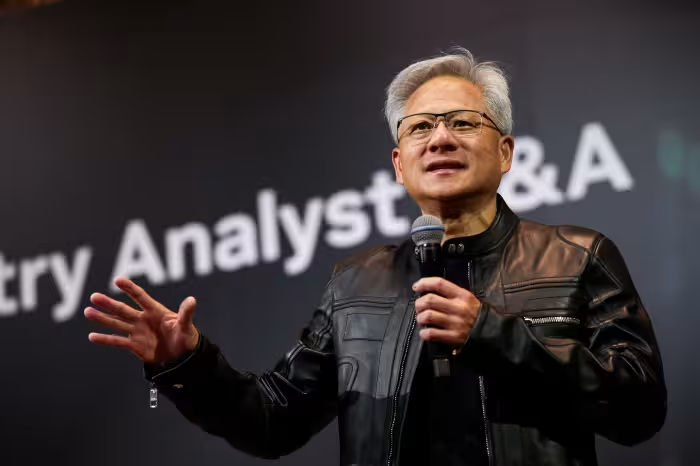
Ranked #2 among top CEOs of 2026, Huang’s influence extends far beyond semiconductor engineering. Surveys from PwC and other global institutions consistently show AI as a top CEO priority, and NVIDIA is often the enabling partner.
The CEO Imperative
For leaders, the lesson is clear:
AI is no longer experimental. It is infrastructural.
And infrastructure decisions define competitive advantage for decades.
Under Jensen Huang, NVIDIA has not merely joined the AI revolution. It has architected it.