







Now Reading: Rashid Alabbar CPA: Co-founding businesses across finance and technology
-
01
Rashid Alabbar CPA: Co-founding businesses across finance and technology
Rashid Alabbar CPA: Co-founding businesses across finance and technology

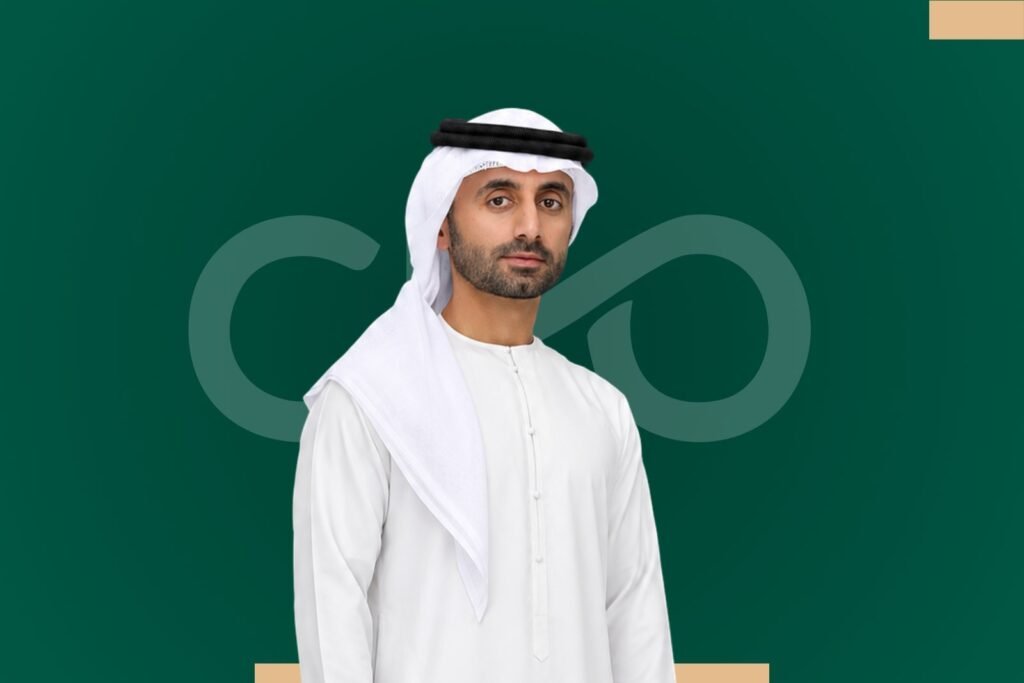
Rashid Alabbar CPA has spent over a decade building organisations in Dubai, moving from investment banking into co-founding ventures that connect finance, technology and retail. As co-founder of Alabbar Enterprises since January 2012, he works alongside founders across sectors while continuing to develop newer businesses in parallel.
His current portfolio includes Sivvi, where he has been co-founder since August 2013, and Symphony Technology, founded in June 2012. These roles place him at the intersection of established business practices and emerging digital models.
Building companies in parallel
Alabbar Enterprises was the earliest of his current ventures, founded in January 2012 and still active today. The organisation operates as a co-founded entity in the United Arab Emirates, drawing on his accounting and finance background to support business development across sectors.
Sivvi followed in August 2013 and has remained under his co-founding leadership for more than thirteen years. As an online retail venture based in Dubai, it places him within the region’s developing e-commerce ecosystem at a time when digital shopping was still maturing.
Symphony Technology, founded in June 2012, completes a cluster of simultaneous enterprises. Running these roles together suggests an ability to sustain attention across different industries while maintaining long-term involvement in each.
From capital markets to entrepreneurship
Before launching his own businesses, Alabbar worked in two major international banks. He spent nine months in HSBC’s capital markets division from January to September 2010, followed by just over a year in mergers and acquisitions at Standard Chartered Bank from March 2011 to June 2012.
That period overlapped with the founding of Alabbar Enterprises and preceded Sivvi, meaning he entered entrepreneurship directly from transaction-focused banking. Experience in M&A and capital markets provides a foundation in deal structures, valuation and investor considerations.
These skills are relevant to co-founding and growing private businesses, where assessing opportunities and negotiating terms remain everyday concerns. The transition from banking to founding illustrates a practical movement from analysing deals to executing them.
Sustained involvement across several founding roles over more than a decade shows how technical finance expertise can become the basis for lasting business creation in the UAE.
Education and capabilities
Alabbar studied accounting at the University of San Diego, completing a Bachelor of Business Administration between 2004 and 2007. He then earned a Master of Science in Accounting and Finance from 2007 to 2008, graduating before moving into banking.
He is a CPA and lists Italian, English and Arabic among his languages, with English and Arabic described as native or bilingual. That combination of technical qualification, multilingual communication and regional presence supports work across borders and stakeholder groups.
Financial modeling and analysis appear among his listed capabilities, reinforcing the practical link between his academic training and the demands of early-stage business leadership.
Long-term involvement in founding roles
What distinguishes Alabbar’s profile is the duration of his current roles. Alabbar Enterprises has operated for nearly fifteen years, Symphony Technology for fourteen and Sivvi for more than thirteen, all while running concurrently.
Founding one business is a significant undertaking; maintaining leadership across three over a decade points to sustained organisational responsibility. It also reflects a pattern common among institutional founders who build portfolios rather than exiting after a single venture.
For readers of The Arab CEOs, this career path offers a grounded example of how technical finance training can evolve into lasting business creation within the UAE economy.
Recognition by The Arab CEOs
Recognition by The Arab CEOs reflects Rashid Alabbar CPA’s documented experience as a co-founder across finance, technology and retail in the United Arab Emirates. His combination of investment banking background, accounting qualification and long-term founding roles is relevant to an audience concerned with business leadership, institutional development and investment. His continued involvement in multiple enterprises suggests a practical model of portfolio entrepreneurship for regional business readers.