



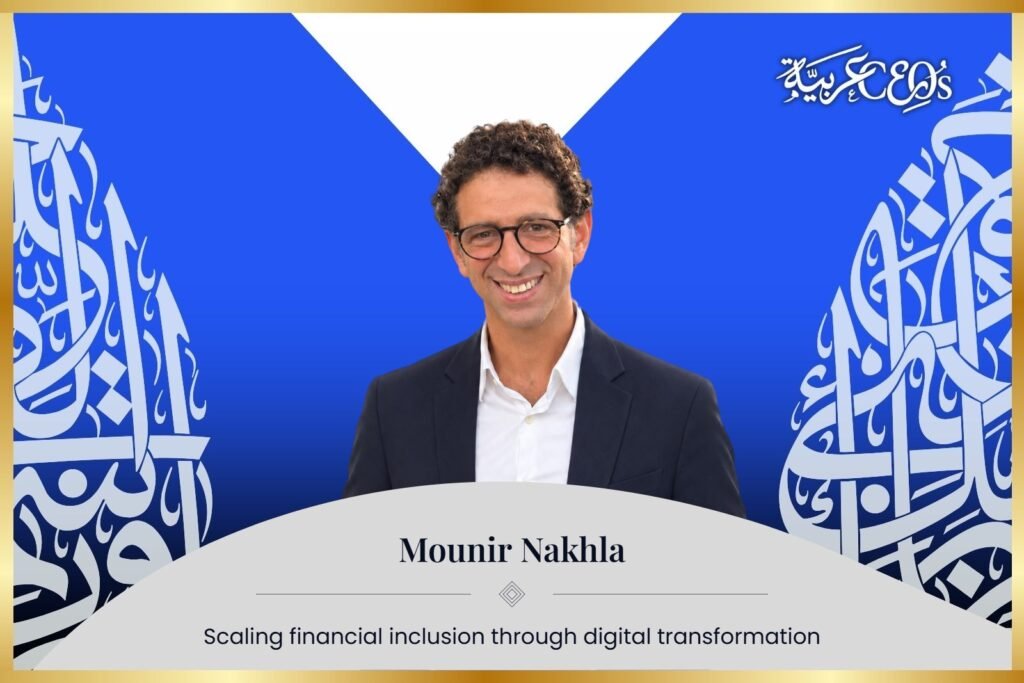




Now Reading: Mounir Nakhla: Scaling financial inclusion through digital transformation
-
01
Mounir Nakhla: Scaling financial inclusion through digital transformation
Mounir Nakhla: Scaling financial inclusion through digital transformation
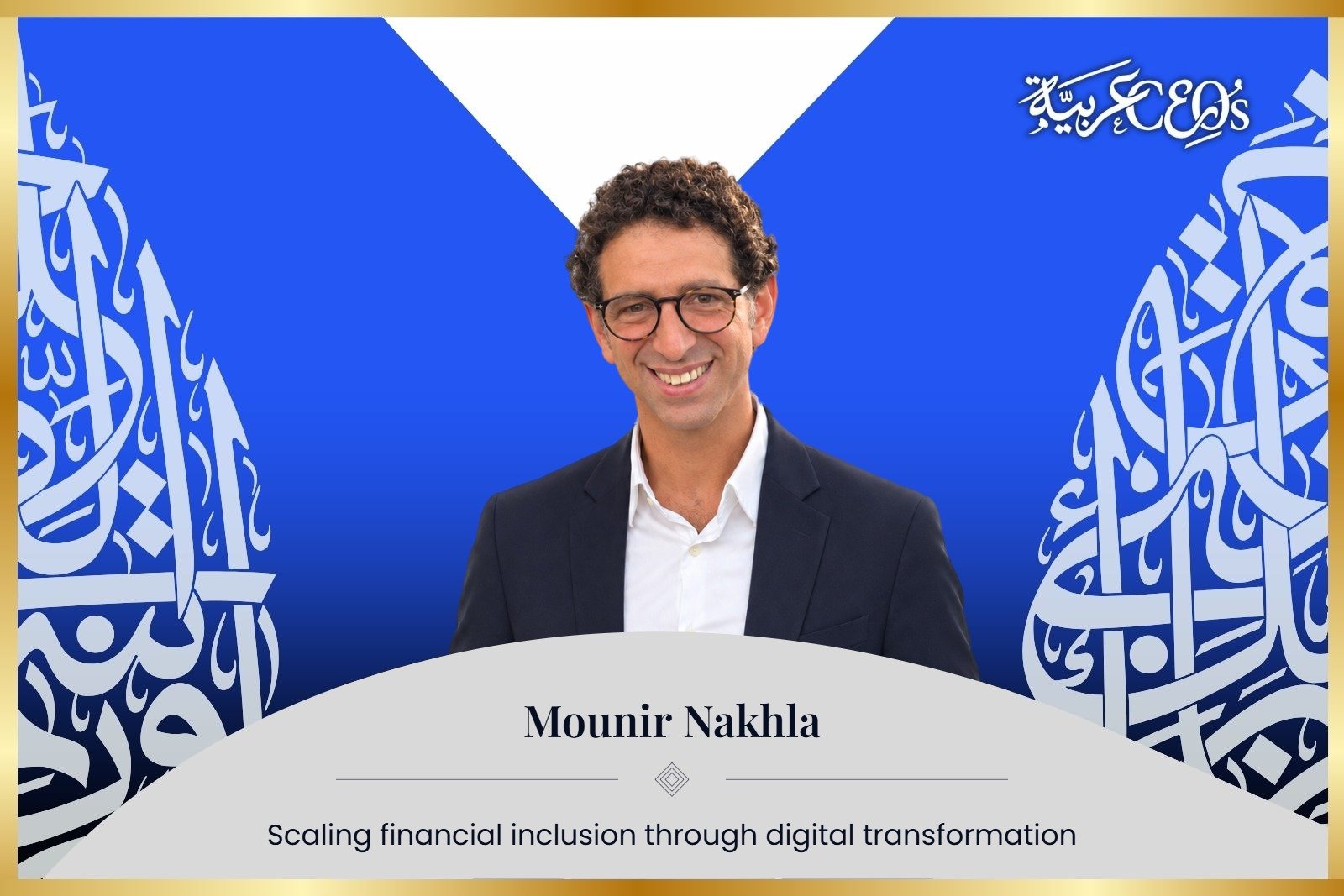
For over two decades, the professional trajectory of Mounir Nakhla has been defined by a focus on the practical mechanisms of financial access. By synthesising academic insights with the realities of market needs, he has constructed a series of institutions designed to facilitate economic participation within the formal financial economy.
His work reflects a disciplined transition from developmental analysis to the management of complex, service-oriented business groups. This journey underscores a commitment to translating abstract economic theory into tangible tools for individual and small-scale entrepreneurs across Egypt.

Establishing foundations in microfinance
The early stages of his career were grounded in the study and practice of microfinance. Following his academic focus at the London School of Economics and Political Science, his initial roles at Environmental Quality International between 2000 and 2009 provided a necessary understanding of how credit solutions serve the needs of individual enterprises. These years were spent observing the operational demands required to deliver financial services effectively in diverse settings.
By 2009, this experience allowed for the founding of Mashroey, where he served as founder and CEO. Establishing this entity marked a clear shift toward independent, purpose-built institutional leadership focused on the long-term sustainability of financial support for small-scale entrepreneurs. This phase of his career solidified the understanding that deep market engagement is necessary for any financial institution to provide meaningful utility.
Building this entity required managing operational nuances that are unique to the microfinance sector, ensuring that service delivery remained both reliable and accessible for clients who might otherwise lack formal financial history.
Scaling reach through structured expansion
As the demand for accessible capital grew, the need for larger, more resilient delivery frameworks became apparent. The establishment of Tasaheel in 2015 provided a mechanism to scale the provision of credit, requiring an increased commitment to governance and institutional oversight. By successfully managing this expansion, he demonstrated the ability to maintain rigorous standards while increasing service capacity.
This period proved critical in shaping the operational methodology that would support future innovations. It clarified how institutional systems could be designed to handle higher transaction volumes while maintaining a focus on the individual user. The development of Tasaheel was not merely a quantitative increase in activity but a qualitative improvement in process management.
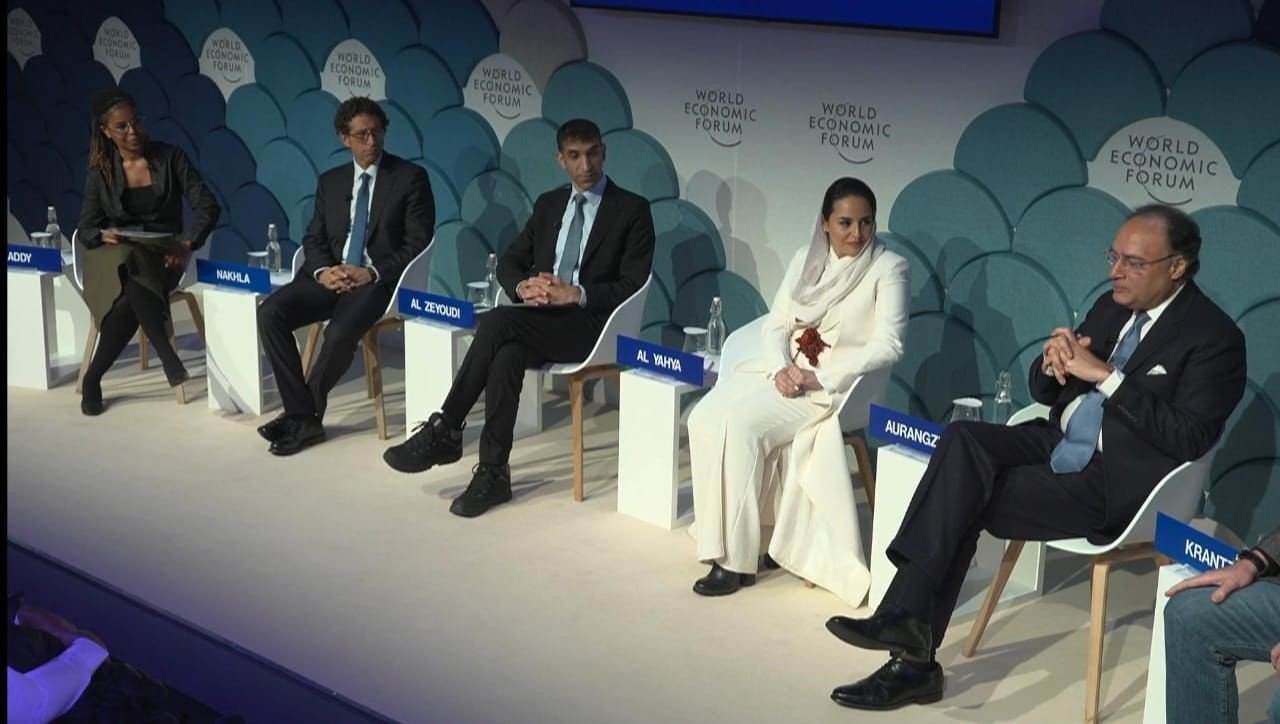
It necessitated the design of efficient workflows that could accommodate a wider customer base without compromising the fundamental mission of supporting small-scale business growth. Each step in this scaling process helped refine the administrative infrastructure necessary to support the transition from traditional, manual processes into a more integrated, technology-forward operational environment.
True digital transformation in finance is measured by the ability to turn complex, fragmented service needs into simple, reliable access for the individual entrepreneur.
Navigating the digital shift
In 2017, the launch of Halan marked a transition toward digital-first service provision. Recognising that technology could act as a vital bridge to formal financial participation, he began integrating mobile platforms into the existing financial services model. This required a transformation in how services were delivered, moving toward a user interface that prioritised ease and efficiency.
This development was a strategic move to ensure that financial inclusion kept pace with technological advancements in the broader market. It highlighted the importance of merging traditional financial foundations with modern digital infrastructure, creating a seamless experience for the user. By focusing on mobile accessibility, he sought to reduce the barriers that often prevent individuals from interacting with formalised financial systems.
This phase of his work reflects a recognition that technology should function as a conduit for service, allowing for faster, more secure, and more transparent transactions. By prioritising digital adoption, he ensured that his organisations could reach underserved segments with greater efficiency, effectively modernising the standard delivery model of developmental finance.
Leading an integrated ecosystem
The formation of MNT-Halan in 2018 consolidated these diverse efforts into a singular technological group. As founder and executive chairman, he now oversees an ecosystem that integrates microfinance, payments, and other financial services. Managing this integration necessitates a constant balance between rapid digital adoption and the stability of regulated services.
This leadership requires a precise understanding of how technology can simplify, rather than complicate, the process of financial participation. His current work demonstrates how systemic change is achieved through the iterative development of systems that function reliably at scale. Maintaining this balance involves not only technological innovation but also the ongoing refinement of internal governance and operational procedures.
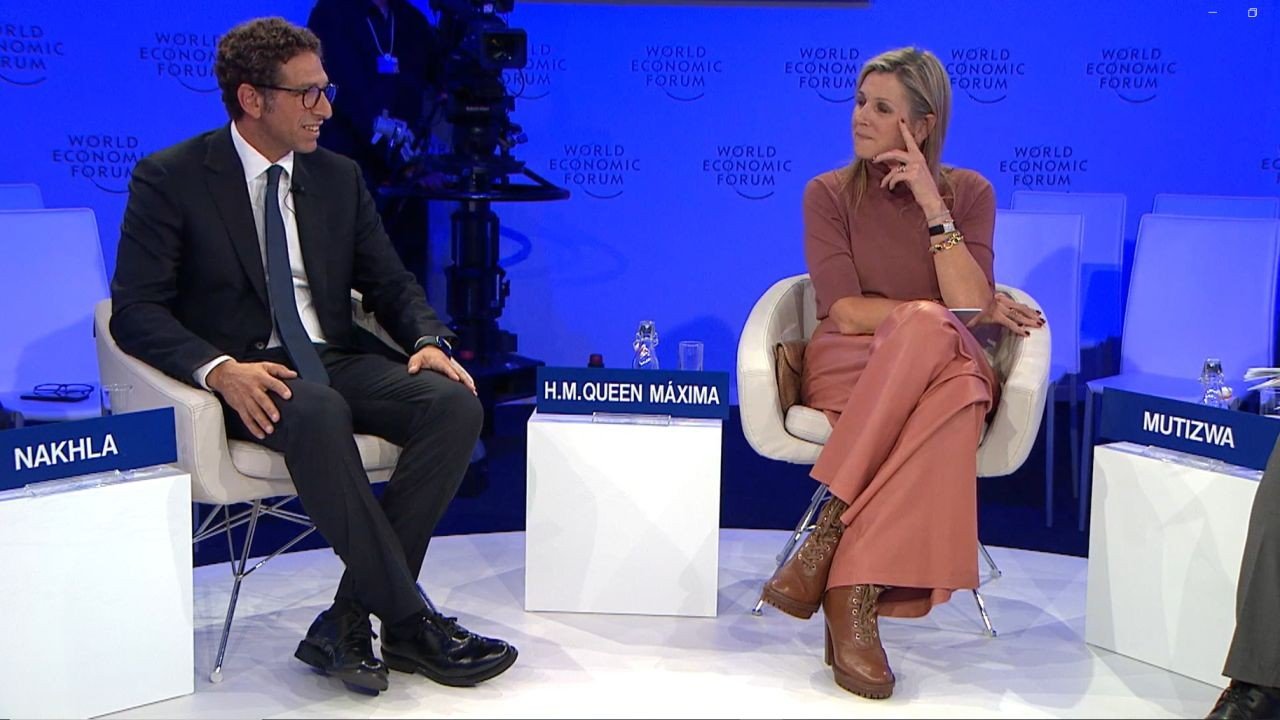
By overseeing such a multifaceted group, he continues to demonstrate the importance of aligning diverse financial functions into a unified, accessible, and user-centric platform. The ability to coordinate these elements highlights a mature leadership style, focused on achieving long-term systemic impact through disciplined and intentional institutional design within the fintech landscape.
Recognition by The Arab CEOs
Mounir Nakhla has developed a professional career that tracks the evolution of financial services in Egypt. By bridging his early experience in developmental economics with the modern capabilities of fintech, he has created an institutional model that addresses systemic challenges through scalable and regulated innovation. His leadership continues to provide a practical template for those looking to improve economic participation through sustained organisational growth and technological investment, serving as a point of reference for The Arab CEOs.